
How to Care for Cauliflower
Grow cauliflower successfully with full sun, cool temperatures, rich soil, and the steady even moisture this demanding crop requires.
Read the full Cauliflower encyclopedia entry →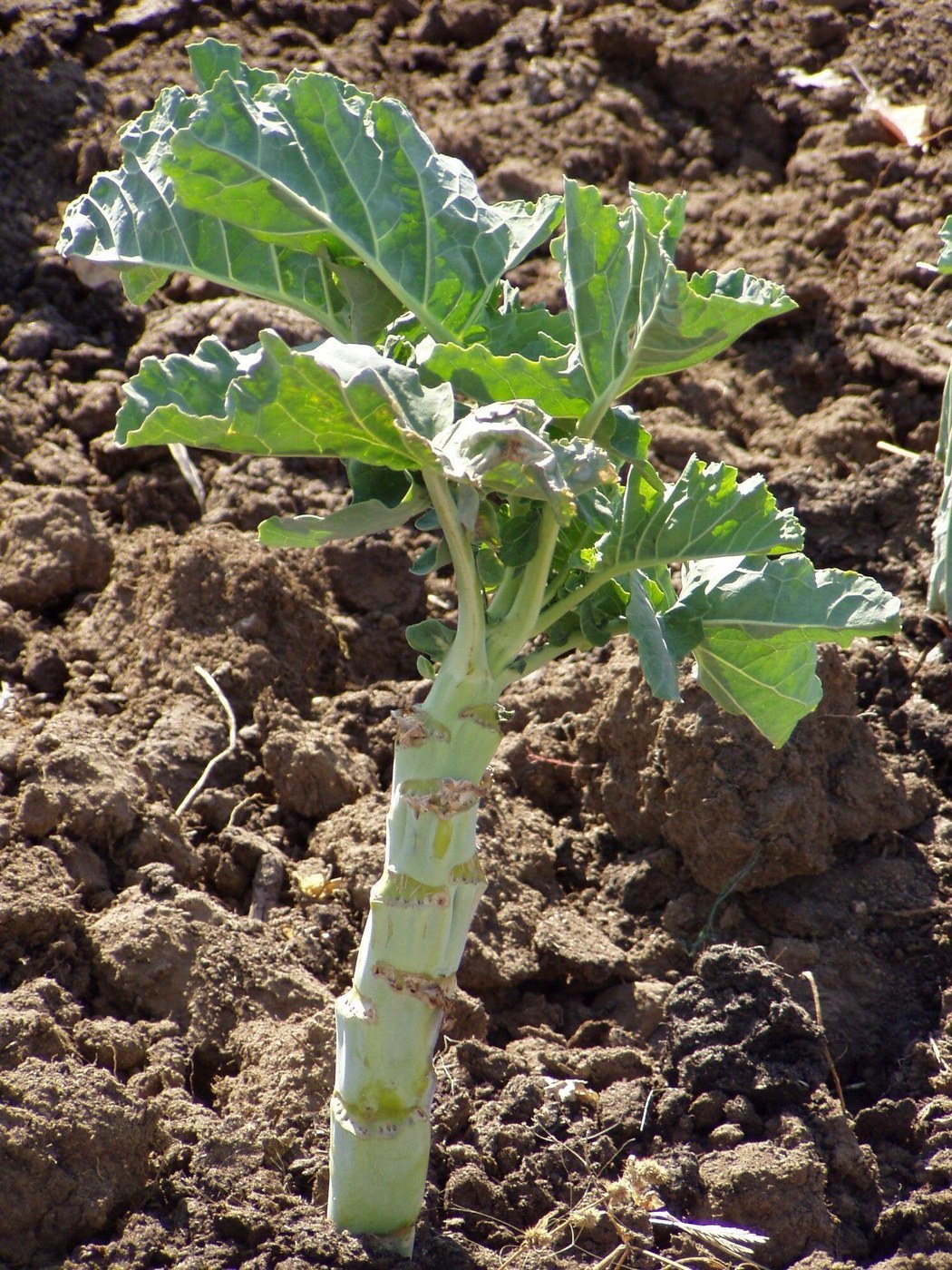
Cauliflower (Brassica oleracea) is a cool-season plant grown for its dense, rounded central head, or curd. It has a reputation as one of the more demanding plants in the garden because it is unforgiving of temperature swings and inconsistent care, but attentive growing produces striking, tightly domed heads.
Light
Cauliflower needs full sun, at least six hours a day, to fuel the vigorous leaf growth that supports a large curd. While it demands sun, it also needs cool conditions, so time plantings so the crop matures during mild weather rather than in the heat of midsummer.
Water
Consistent, even moisture is critical. Cauliflower is intolerant of drought and irregular watering, both of which stress the plant and cause small, loose, or prematurely opening heads. Provide steady moisture so the soil never dries out, roughly one to two inches of water per week, and mulch to keep moisture even. Water at the base to keep foliage dry and reduce disease.
Soil & Potting
Grow cauliflower in deep, rich, fertile soil high in organic matter, with a pH around 6.5 to 7.0. Work in plenty of compost before planting. Firm, well-drained but moisture-retentive soil supports steady, uninterrupted growth, which is the key to good heads. Poor or compacted soil leads to stunted plants and disappointing curds.
Humidity & Temperature
Cool temperatures are essential; cauliflower performs best between about 55 and 65 F. It is a classic spring and fall crop. Heat causes it to bolt or form loose, bitter, discolored heads, while sudden cold snaps or transplant shock can trigger tiny premature buttons. Steady, moderate conditions with no stress produce the best results.
Feeding
Cauliflower is a heavy feeder. Prepare the bed with rich compost and side-dress with a balanced or nitrogen-rich fertilizer several weeks after transplanting to sustain rapid, uninterrupted leaf growth. Steady feeding is essential; any check in growth can ruin the head. Boron and other micronutrients matter too, and a healthy compost-rich soil usually supplies them.
Propagation
Cauliflower is grown from seed. Start seeds indoors about four to six weeks before transplanting, then move sturdy young plants out once they are established, spacing them 18 to 24 inches apart. For a fall crop, sow in mid to late summer. Harden off transplants gradually to avoid the shock that triggers premature buttoning.
Repotting / Pruning
Cauliflower is not repotted; it grows to maturity in one season. The key cultural task is blanching: on white varieties, once the curd reaches egg size, tie the large outer leaves up over the developing head to shield it from sun, which keeps the curd creamy white and tender. Colored and self-blanching types need little or no covering.
Common Problems & Pests
Cabbage worms, cabbage loopers, aphids, and flea beetles are frequent pests; row covers exclude them and handpicking or insecticidal soap helps. Clubroot and downy mildew are soilborne and fungal problems worsened by wet, acidic soil and poor rotation. Physiological issues, buttoning (tiny heads) and ricey or loose curds, come from stress, heat, or interrupted growth rather than pests. Rotate brassicas and keep growth steady to avoid most trouble.
Seasonal Care Tips
In early spring, start seeds indoors and transplant for an early-summer crop, or sow in mid to late summer for a fall harvest. Through the growing period, keep moisture and feeding steady and never let the plants dry out or overheat. Blanch white heads as they form. Time the crop so heads mature in cool weather, and use row covers to guard against both pests and unexpected heat.
Frequently asked questions
Why is my cauliflower forming tiny heads (buttoning)?
Buttoning is caused by stress, most often cold snaps, transplant shock, drought, or a check in growth. Keep conditions steady, harden off transplants, and never let the plants dry out or overheat.
How do I keep cauliflower heads white?
Blanch them. Once the curd reaches egg size, tie the outer leaves up over the head to block sunlight. Self-blanching and colored varieties need little or no covering.
Why is cauliflower considered hard to grow?
It is very sensitive to temperature swings, drought, and any interruption in growth. It needs cool weather, rich soil, heavy feeding, and steady even moisture to form a good head.
When should I plant cauliflower?
Time it so the heads mature in cool weather: start early for a spring or early-summer crop, or sow in mid to late summer for a fall harvest. Avoid maturing it during summer heat.