How to Care for Cebu Blue Pothos
Grow Cebu Blue Pothos (Epipremnum pinnatum 'Cebu Blue'), an easy vining houseplant with shimmering silvery-blue lance-shaped leaves.
Read the full Cebu Blue Pothos encyclopedia entry →Cebu Blue Pothos (Epipremnum pinnatum 'Cebu Blue') is an easy-going tropical vine with striking silvery-blue, lance-shaped leaves that shimmer in the light. With support it can even develop dramatic split, fenestrated mature foliage.
Light
Grow in bright indirect light for the best color and vigorous vines. It tolerates medium light but grows slower and shows less of the metallic blue sheen there. Avoid harsh direct sun, which can bleach or scorch the leaves. A spot near an east window, or a few feet back from a brighter window, is ideal.
Water
Water when the top 2 inches of soil feel dry. Soak thoroughly until water drains, then empty the saucer. Cebu Blue likes consistent but not soggy moisture; let the surface dry between waterings to prevent root rot. Drooping leaves and dry soil signal thirst, while yellowing lower leaves often signal overwatering.
Soil & Potting
Use a light, well-draining aroid mix: standard potting soil amended with orchid bark, perlite, and a little coco coir. This gives the airy, chunky texture the roots prefer while holding some moisture. Always use a pot with drainage holes.
Humidity & Temperature
As a tropical aroid it enjoys moderate to high humidity (50% or more) but adapts well to average household humidity. Keep temperatures between about 65-85F and protect it from cold drafts and anything below 55F. Higher humidity, especially on a moss pole, encourages larger, potentially fenestrated mature leaves.
Feeding
Feed monthly during spring and summer with a balanced, diluted houseplant fertilizer. Reduce or stop feeding in fall and winter when growth slows. Avoid overfeeding, which can cause salt buildup and leaf-tip burn.
Propagation
Very easy from stem cuttings. Cut just below a node, making sure each cutting has at least one node and a leaf, and root it in water or directly in moist mix. Roots appear within a couple of weeks. Providing a moss pole encourages the vine to climb and develop its larger mature form.
Repotting / Pruning
Repot every one to two years or when roots circle the pot or emerge from drainage holes, moving up one pot size in spring. Prune to control length and encourage bushiness; cut just above a node and use the trimmings as cuttings. Regular pinching keeps the plant full rather than sparse.
Common Problems & Pests
Overwatering leading to root rot and yellow leaves is the most common issue. Watch for spider mites, mealybugs, and scale, especially in dry indoor air; wipe leaves and treat with insecticidal soap as needed. Brown crispy edges suggest low humidity or underwatering, while pale leaves suggest too little light.
Seasonal Care Tips
- Spring: Resume feeding, repot if needed, and take cuttings as active growth begins.
- Summer: Water regularly, keep humidity up, and train vines on a pole for fuller growth.
- Fall: Reduce feeding and watering frequency as growth slows.
- Winter: Water sparingly, keep away from cold drafts, and maintain bright indirect light.
Frequently asked questions
Why are the leaves on my Cebu Blue Pothos turning yellow?
Yellowing lower leaves most often point to overwatering or soggy soil. Let the top 2 inches dry between waterings and make sure the pot drains freely.
How do I get fenestrated (split) leaves on Cebu Blue?
Give it a moss pole or trellis to climb, plenty of bright indirect light, and higher humidity. As the vine matures and climbs, it produces larger leaves that can develop splits.
Can Cebu Blue Pothos grow in low light?
It tolerates medium light but grows slowly and loses much of its silvery-blue sheen. Bright indirect light gives the best color and growth.
How do I propagate Cebu Blue Pothos?
Take a stem cutting just below a node with at least one leaf, and root it in water or moist potting mix. Roots typically form within two weeks.
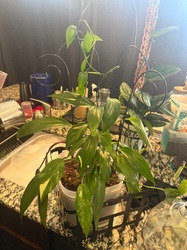
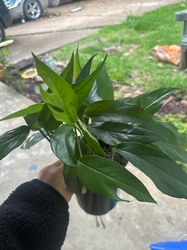
Cebu Blue Pothos identified by the community
Recent Cebu Blue Pothos specimens identified with Plant Identifier.