
How to Care for Cedar of Lebanon
Grow the majestic Cedar of Lebanon (Cedrus libani) in full sun and well-drained soil, giving this long-lived evergreen room to spread.
Read the full Cedar of Lebanon encyclopedia entry →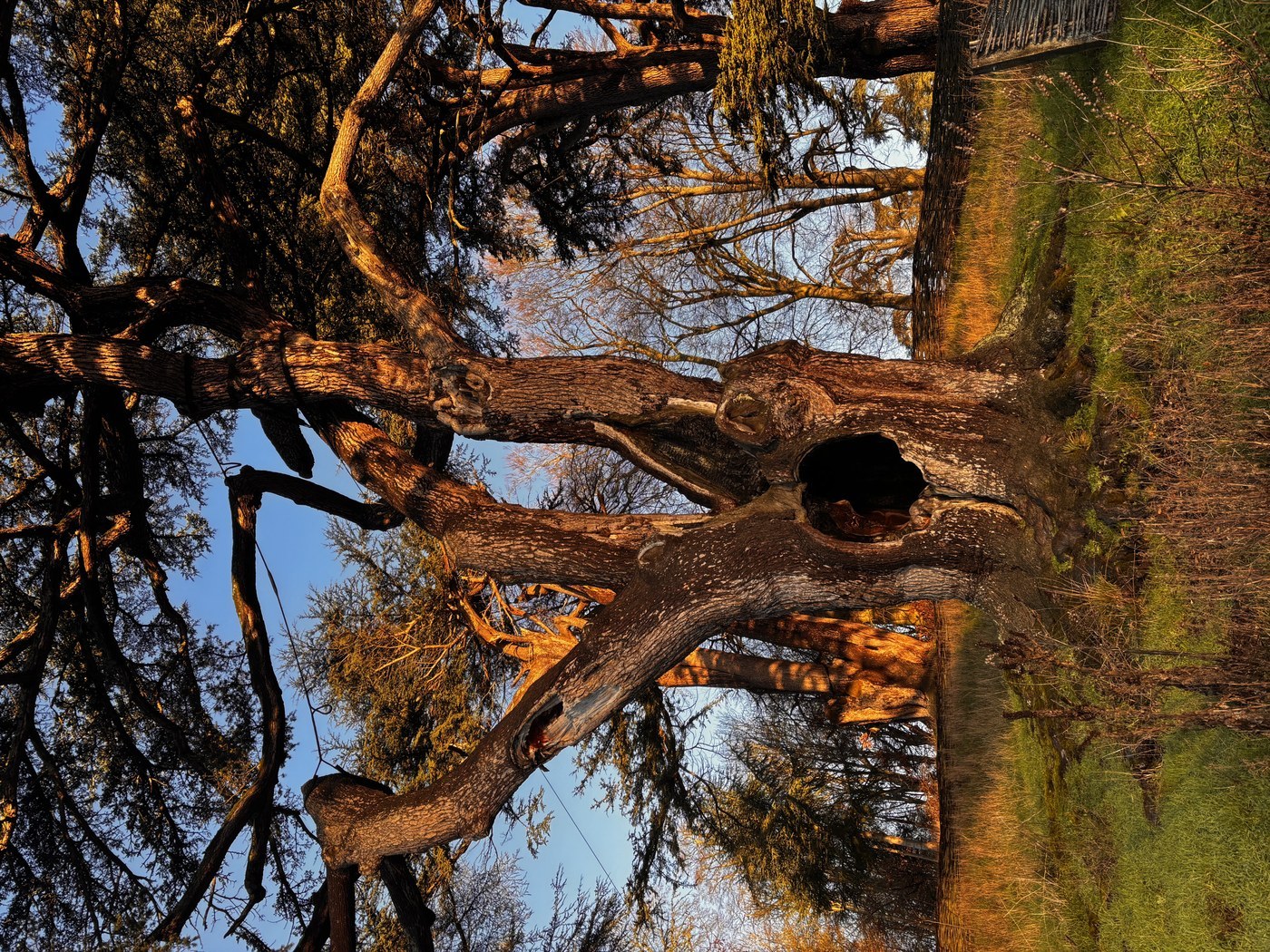
Cedar of Lebanon (Cedrus libani) is a magnificent, long-lived evergreen conifer famed for its dark green needles and, in maturity, its broad, flat-topped tiers of horizontal branches. It is a slow-growing but ultimately enormous specimen tree that, once established, is remarkably tough and self-reliant.
Light
Plant Cedar of Lebanon in full sun. It needs open, unobstructed light to develop its characteristic strong framework and dense, healthy foliage. Crowded or shaded conditions lead to thin, one-sided growth and weak branching, so give it a bright, open site with room overhead.
Water
Water needs are moderate while the tree is young. Keep newly planted trees regularly watered through their first few years so the deep root system establishes. Once mature, Cedar of Lebanon is markedly drought tolerant and rarely needs supplemental water except in prolonged drought. It dislikes waterlogged ground, so never let it sit in soggy soil.
Soil & Potting
It thrives in deep, well-drained soil and adapts to a wide range of types, including sandy and rocky ground, provided drainage is good. It tolerates various pH levels but resents heavy, wet clay. When planting, choose a permanent spot with ample space, as this tree becomes very large and does not transplant well once established.
Humidity & Temperature
This mountain native withstands heat, cold, and wind admirably. It prefers a climate with distinct seasons and is hardy through hard frosts once established. Ambient humidity is not a concern. Its main dislike is persistent dampness and poorly drained, humid soil at the roots.
Feeding
Established trees need little to no feeding. For young trees in poor soil, a light spring application of a balanced or slow-release fertilizer supports steady growth. Avoid heavy nitrogen, which encourages soft, weak growth. Mulching around the base conserves moisture and slowly enriches the soil.
Propagation
Cedar of Lebanon is grown chiefly from seed. Fresh seed extracted from the upright cones germinates best after a period of cold, moist stratification. Sow in well-drained pots and expect slow, steady seedling growth. Named ornamental forms are usually propagated by grafting rather than cuttings, which are difficult to root.
Repotting / Pruning
Because of its eventual size, Cedar of Lebanon is a landscape tree rather than a long-term container plant, though young specimens and bonsai can be pot-grown for a time. Prune minimally: remove only dead, damaged, or crossing branches, ideally in late winter, to preserve the tree's natural tiered form. Avoid heavy cutting, which spoils its elegant silhouette and heals slowly.
Common Problems & Pests
The most serious threat is root rot in wet, poorly drained soil, so drainage is paramount. Watch for scale insects, aphids, and sap-sucking adelgids, which can be treated with horticultural oil, and for occasional needle blight or canker in damp conditions. Winter storms can break the heavy horizontal limbs of mature trees, so give the crown space to develop soundly.
Seasonal Care Tips
Plant in fall or early spring so roots establish before summer heat. Water young trees deeply through their first summers and mulch to conserve moisture. Do any light corrective pruning in late winter while the tree is dormant. Once mature, the tree largely cares for itself, needing only occasional inspection for storm damage and pests.
Frequently asked questions
How big does a Cedar of Lebanon get?
Very large. It is a slow-growing but ultimately enormous specimen tree that develops broad, tiered branches, so it needs a permanent, open site with plenty of room overhead and to the sides.
Does Cedar of Lebanon need a lot of water?
Only while young. Water newly planted trees regularly for the first few years to establish deep roots. Once mature it is strongly drought tolerant and rarely needs extra water except in prolonged drought.
How is Cedar of Lebanon propagated?
Mainly from seed, which germinates best after cold, moist stratification, though growth is slow. Named ornamental forms are usually grafted, since cuttings are difficult to root.
When and how should I prune Cedar of Lebanon?
Prune minimally in late winter, removing only dead, damaged, or crossing branches. Avoid heavy cutting, which spoils the tree's elegant tiered silhouette and heals slowly.