Cedar of Lebanon
Cedrus libani
Cedar of Lebanon is a majestic, long-lived true cedar famous for the broad, flat tiers of foliage it develops with age. It is an iconic specimen tree steeped in history and symbolism.
- Light
- Full sun
- Water
- Moderate when young; drought tolerant once established
- Difficulty
- Easy
Got a plant like this?
Identify any plant from a photo, free.
Overview
Cedar of Lebanon (Cedrus libani) is a large, long-lived evergreen conifer native to the mountains of the eastern Mediterranean. It is one of the most historically and culturally celebrated trees in the world, appearing on the flag of Lebanon and in ancient texts.
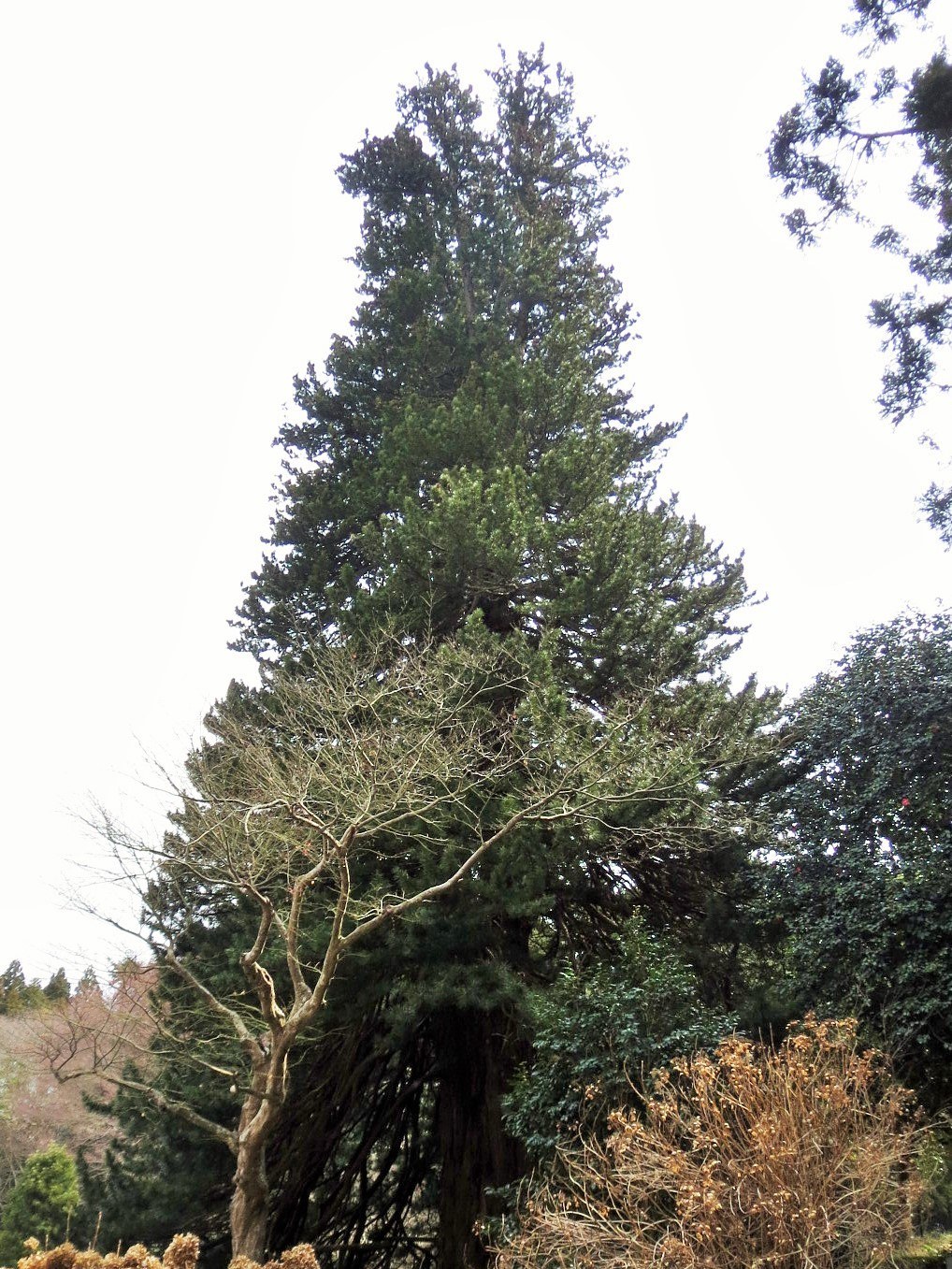
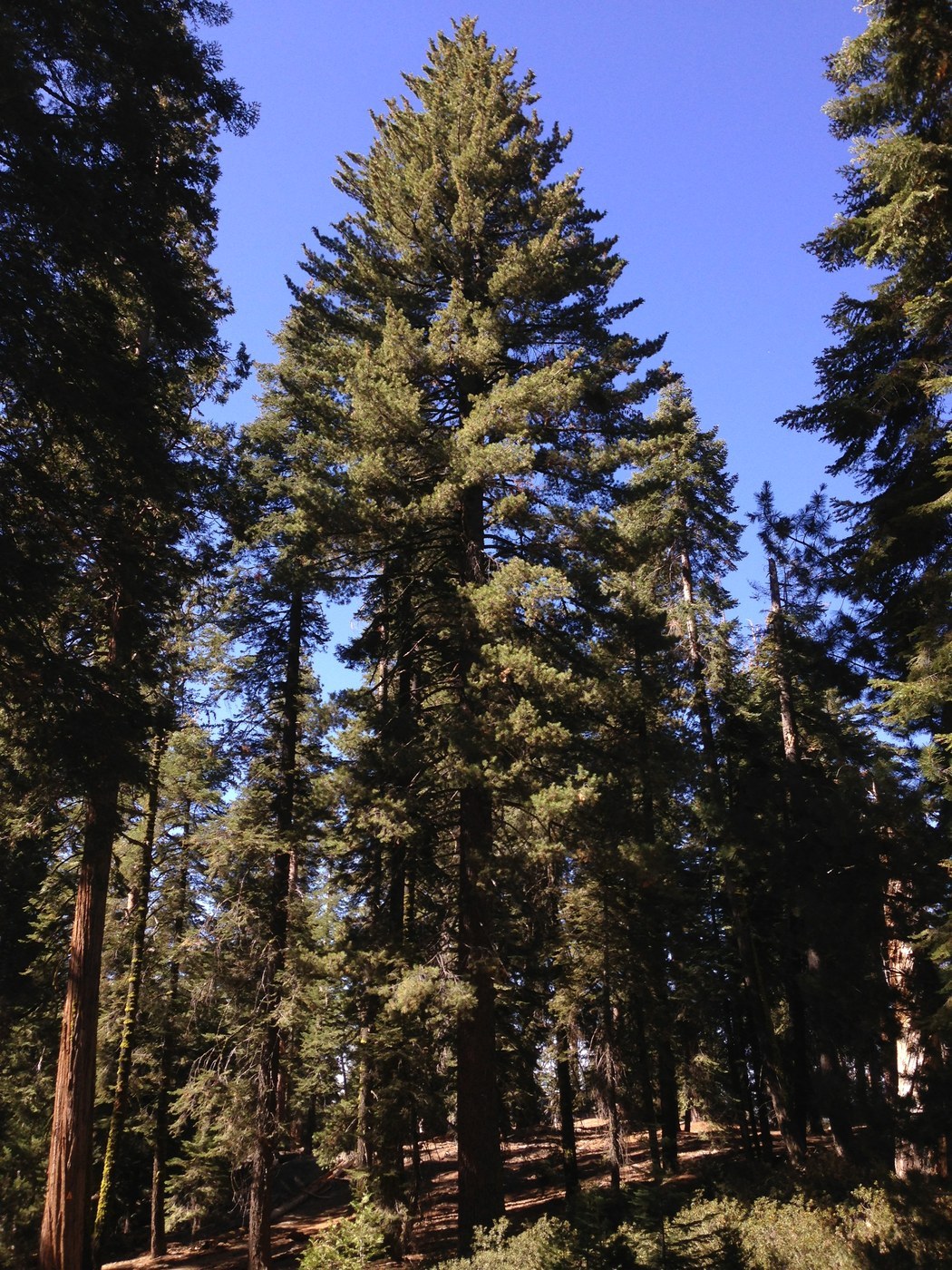
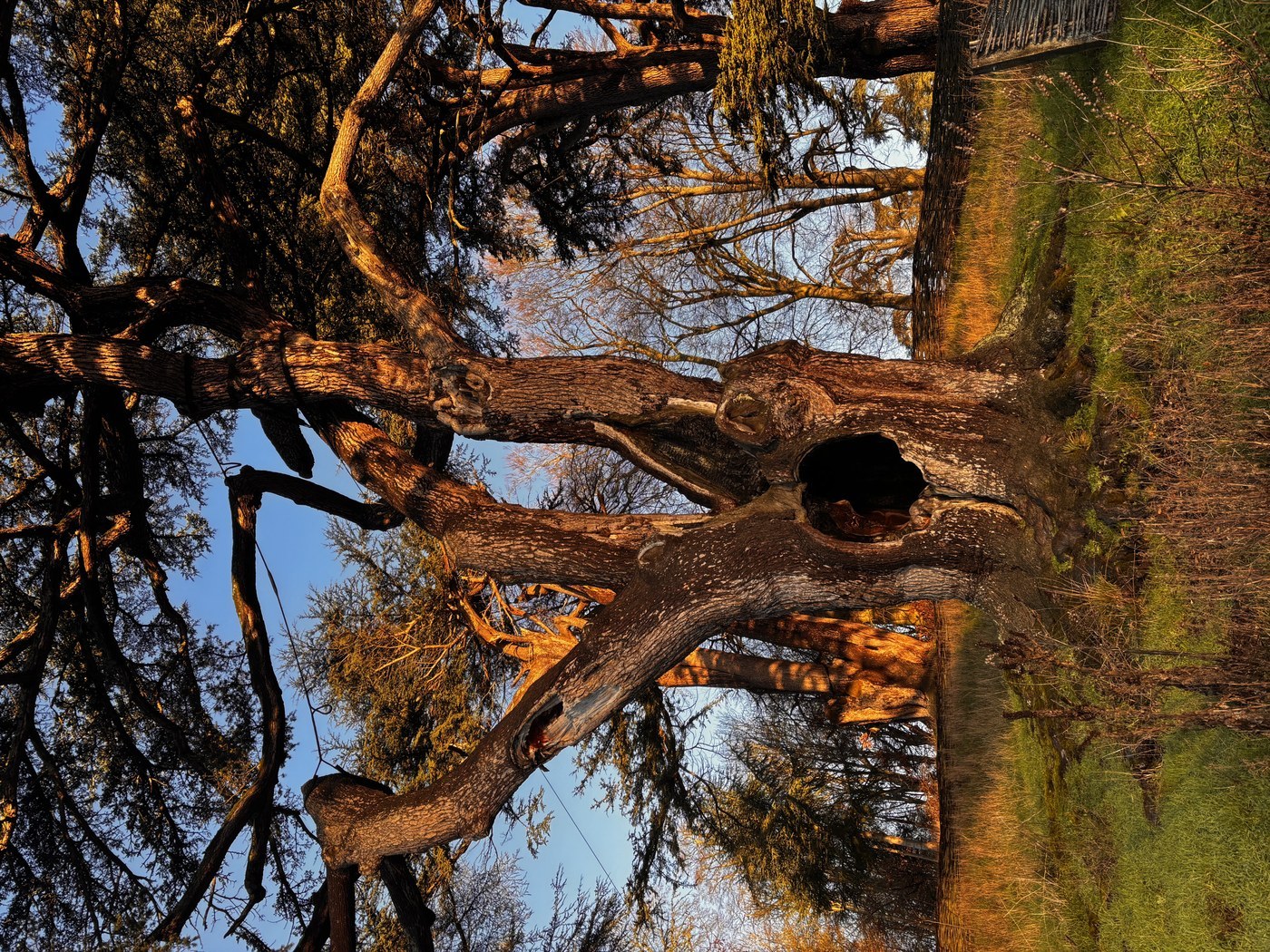
Young trees are conical, but with age they develop a massive trunk and the distinctive broad, flat-topped crown with horizontal, tiered layers of foliage that make mature specimens instantly recognizable. They can reach 40 to 80 feet tall and live for many centuries.
Admired for its grandeur and character, it is a classic specimen tree in large parks, estates, and historic gardens.
How to identify it
Identified by tiered horizontal branching and clustered needles.
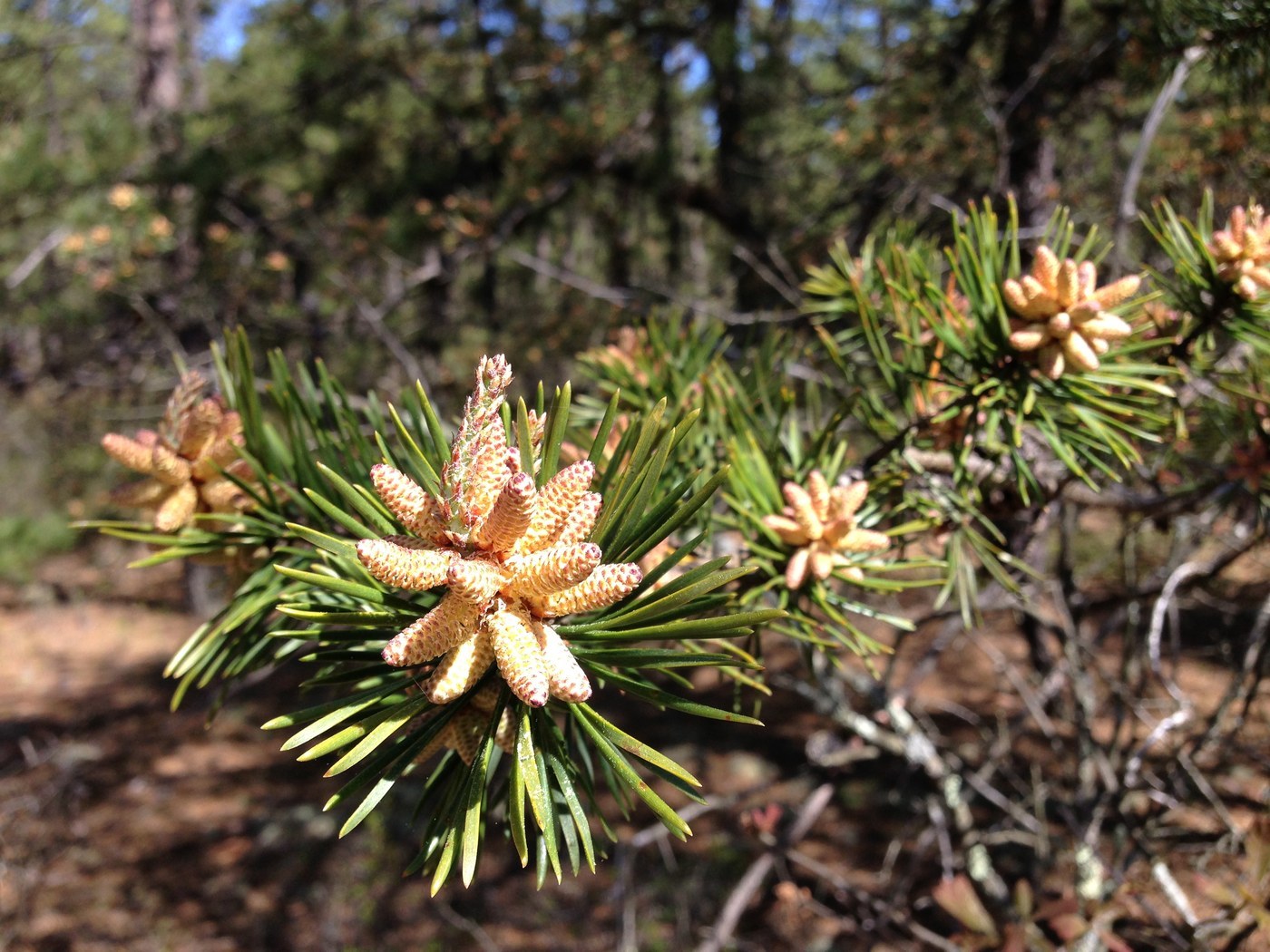
- Needles: Dark green to grey-green needles about 0.5 to 1.5 inches long, borne singly on new shoots and in dense rosette clusters on short spurs
- Habit: Conical when young; mature trees broad and flat-topped with distinctive horizontal, layered tiers of foliage
- Cones: Upright, barrel-shaped cones 3 to 5 inches long that disintegrate on the tree when ripe
- Bark: Dark grey, deeply fissured into ridges with age
- Size: 40 to 80 feet tall; very long-lived
Care & growing
A slow but ultimately huge, durable tree for sunny, well-drained sites.
- Light: Full sun
- Water: Water while establishing; drought tolerant once mature
- Soil: Deep, well-drained soil; tolerates poor and rocky ground, dislikes waterlogging
- Temperature: Hardy in USDA zones 6 to 9 (Turkish provenances are hardier)
- Feeding: Minimal
- Space: Needs a great deal of room to develop its iconic spreading crown
- Propagation: From seed; selected forms grafted
Habitat & origin
Native to the mountains of Lebanon, Syria, and Turkey in the eastern Mediterranean, where it grows on high rocky slopes. Famous ancient groves survive in Lebanon, though wild populations are much reduced from historical times.
It has been planted as a prestigious specimen tree in parks, estates, and historic gardens across temperate Europe and North America since the 17th century.
Frequently asked questions
Why does Cedar of Lebanon look flat-topped?
As the tree matures it develops massive horizontal branches that form broad, flat tiers of foliage, giving the iconic tabletop silhouette. Young trees are more conical.
How long do they live?
They are very long-lived, often surviving for several centuries, with some ancient trees in Lebanon estimated to be over a thousand years old.
How big a space does it need?
A great deal. Mature trees become very large and wide-spreading, so it is suited to parks, estates, and large gardens rather than small yards.
Is it the tree on the Lebanese flag?
Yes. The Cedar of Lebanon is the national emblem of Lebanon and appears at the center of its flag, reflecting its deep historical and cultural importance.
Cedar of Lebanon guides
In-depth guides for identifying, growing, and caring for Cedar of Lebanon.
How to Care for Cedar of Lebanon
Grow the majestic Cedar of Lebanon (Cedrus libani) in full sun and well-drained soil, giving this long-lived evergreen room to spread.
Cedar of Lebanon Identification Guide
Identify the Cedar of Lebanon (Cedrus libani) by its majestic flat-topped crown, broad horizontal tiers of branches, dark green needles in spur rosettes, and upright barrel cones.