
How to Care for Celandine Poppy
Grow Stylophorum diphyllum, a shade-loving woodland perennial with bright yellow poppy flowers and handsome lobed foliage.
Read the full Celandine Poppy encyclopedia entry →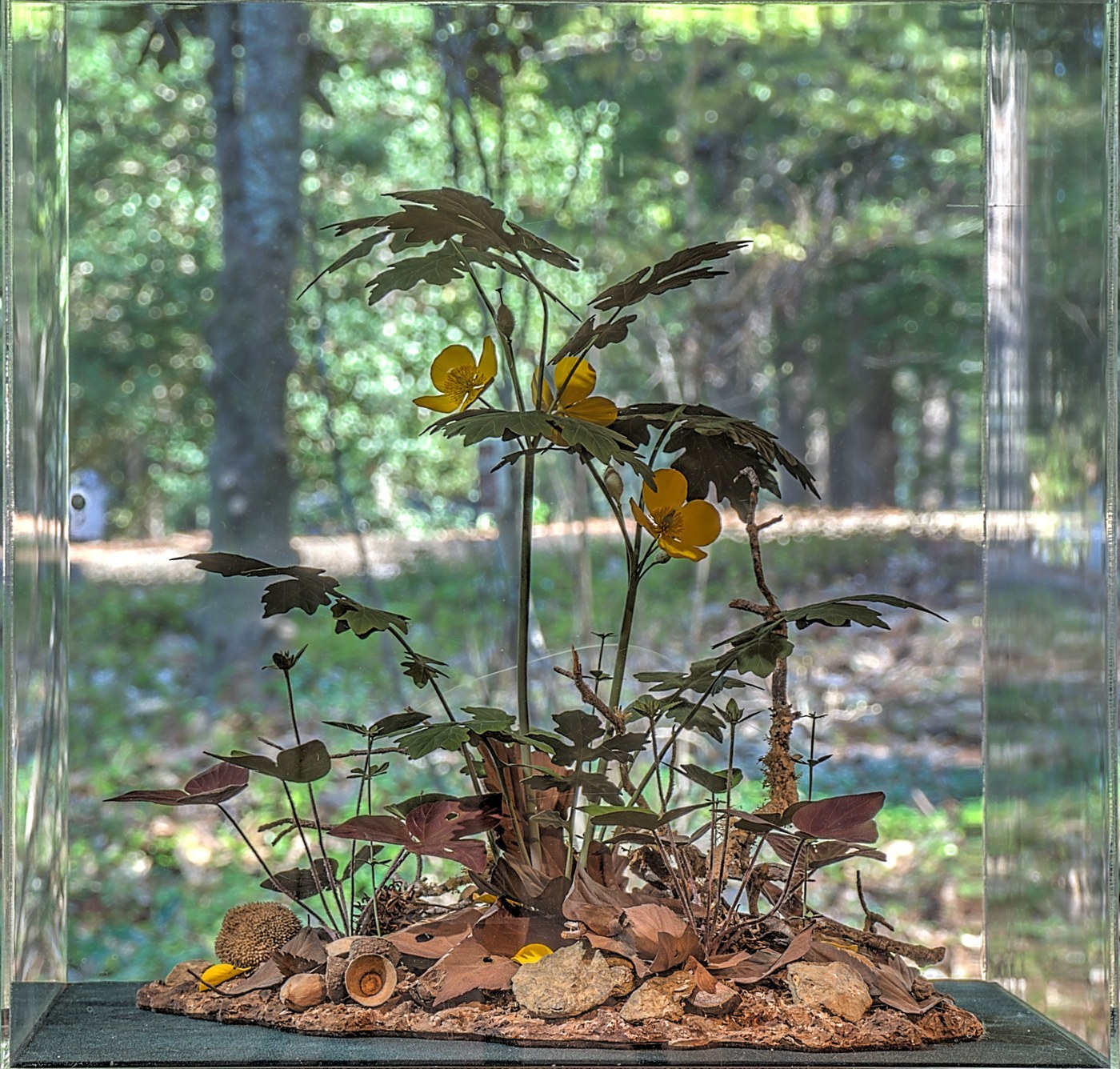
Celandine Poppy (Stylophorum diphyllum) is a clump-forming woodland perennial native to eastern North American forests, valued for its cheerful bright-yellow poppy flowers in spring and its attractive deeply lobed, silvery-green foliage. It is an easy, self-sustaining choice for shade gardens and naturalized woodland plantings.
Light
Grow in partial to full shade, mimicking its native forest-floor habitat. Dappled light beneath deciduous trees is ideal, giving morning sun and afternoon shade. It tolerates fuller shade but flowers most freely with some filtered light. Avoid hot, direct afternoon sun, which scorches the foliage and hastens summer dormancy.
Water
Keep the soil consistently and evenly moist, especially during spring growth and flowering. Celandine Poppy dislikes drying out and may go dormant early if the soil becomes too dry in summer. Regular moisture keeps the foliage looking fresh well into the season. In rich, moisture-retentive woodland soil it needs little supplemental watering except during dry spells.
Soil & Potting
Plant in humus-rich, moisture-retentive but well-drained soil, ideally slightly acidic to neutral. Incorporate leaf mold or compost to replicate the organic-rich forest floor it favors. A layer of leaf-litter mulch conserves moisture and feeds the soil as it breaks down. It is a garden perennial rather than a houseplant, so container culture is uncommon, but it can be grown in a large, shaded pot with rich, moist mix.
Humidity & Temperature
Hardy roughly across USDA zones 4 through 8, it thrives in the cool, humid conditions of temperate woodlands. It enjoys cool spring weather and may enter dormancy during hot, dry summers, re-emerging when conditions cool. No special humidity management is needed in a suitable shaded, moist site.
Feeding
Heavy feeding is unnecessary. An annual top-dressing of compost or leaf mold in spring supplies ample nutrients and mimics natural woodland enrichment. If growth is weak in poor soil, a light application of balanced slow-release fertilizer in spring can help, but rich organic soil generally provides everything this plant needs.
Propagation
Celandine Poppy self-sows readily and is easily propagated from fresh seed. Collect seed from the fuzzy pods as they ripen and sow promptly, as fresh seed germinates best; it often naturalizes into pleasing colonies on its own. Established clumps can also be divided in early spring or fall, keeping each division moist while it re-establishes. Allowing some pods to scatter seed maintains a self-renewing patch.
Repotting / Pruning
Little pruning is required. Remove spent flowers if you wish to limit self-seeding, or leave them to form colonies. Tidy away yellowing or tattered foliage as the plant goes summer-dormant. Divide crowded clumps every few years to rejuvenate them. For container plants, refresh the mix and pot on in spring if the clump has outgrown its space.
Common Problems & Pests
This is a low-trouble perennial. Slugs and snails may nibble the tender spring foliage, especially in damp shade. Excessive dryness causes early dormancy and browning leaves, while too much sun scorches them. Root rot can occur in poorly drained, waterlogged soil, so ensure the site drains despite staying moist. Otherwise it is largely pest- and disease-free.
Seasonal Care Tips
Spring: enjoy the bright flowers, top-dress with compost, and keep the soil evenly moist. Early summer: allow pods to ripen for self-seeding, and continue watering to delay dormancy. Midsummer: the plant may go dormant in heat and dry conditions, which is normal. Autumn: divide or transplant if needed and refresh leaf-litter mulch. Winter: the dormant crown is fully hardy and needs no protection in its range.
Frequently asked questions
Why did my Celandine Poppy die back in summer?
It often goes dormant in hot, dry summers, which is normal. Keeping the soil evenly moist and providing shade delays dormancy and keeps foliage fresh longer.
How much sun does it need?
It prefers partial to full shade with dappled light. Avoid hot afternoon sun, which scorches the foliage and forces early dormancy.
Does Celandine Poppy spread?
Yes, it self-sows readily from fresh seed and naturalizes into attractive colonies. Deadhead the pods if you want to limit its spread.
Can I divide it?
Yes. Divide established clumps in early spring or fall, keeping each division well watered until it re-establishes.