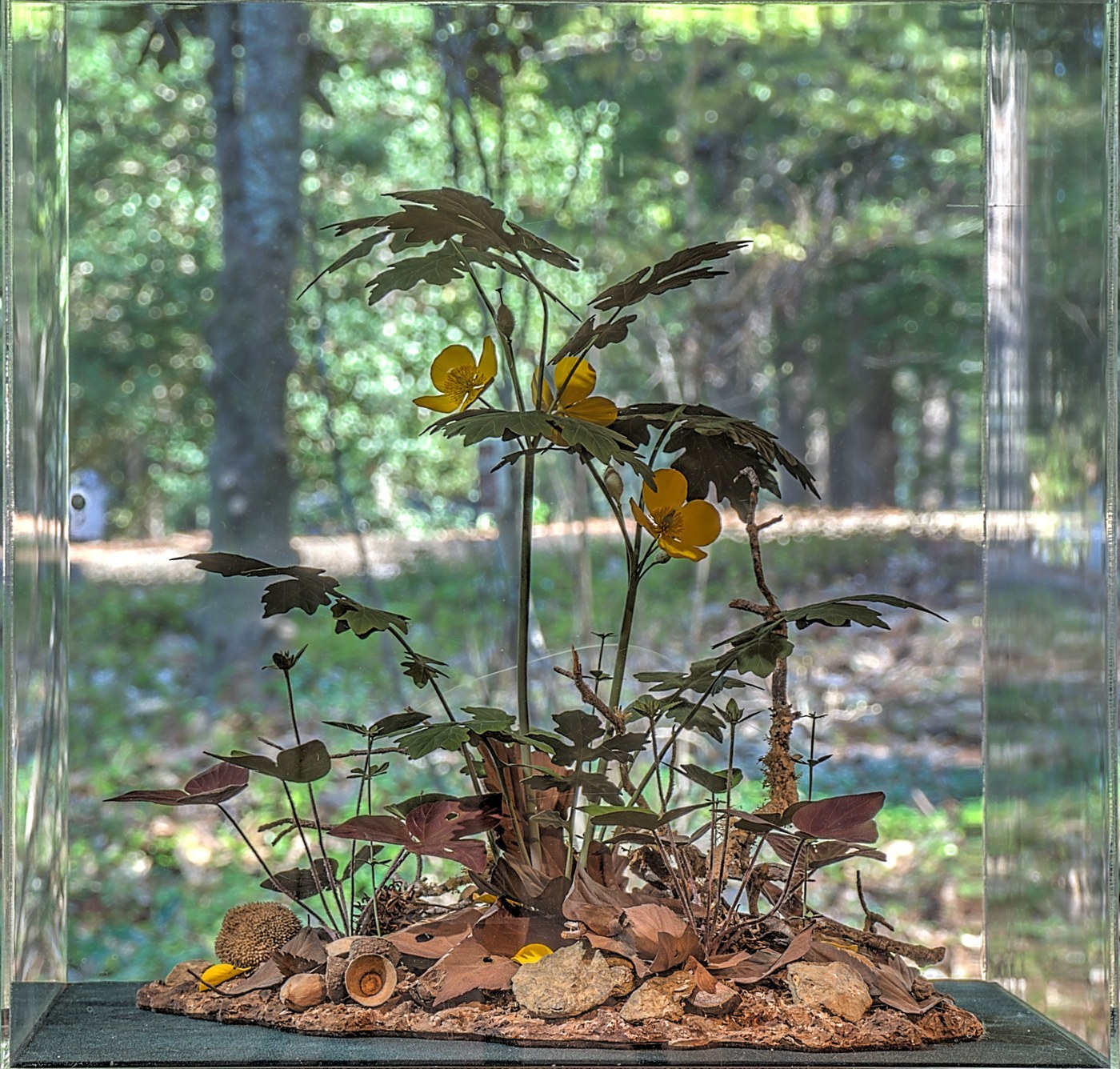
Celandine Poppy
Stylophorum diphyllum
A spring-blooming woodland wildflower of eastern North America bearing bright golden-yellow poppy flowers above deeply lobed blue-green leaves.
- Light
- Partial to full shade
- Water
- Moderate; keep evenly moist
- Difficulty
- Easy
Got a plant like this?
Identify any plant from a photo, free.
Overview
Celandine poppy, or wood poppy, is a clump-forming perennial of rich, moist eastern North American woodlands. In mid to late spring it produces cheerful, four-petaled golden-yellow flowers held above attractive, deeply lobed foliage, brightening shady spring gardens.
Like other members of the poppy family, it exudes a yellow-orange sap when cut. It often self-sows to form colonies and may go semi-dormant in summer heat. It should not be confused with the unrelated and weedy lesser celandine or greater celandine.
How to identify it
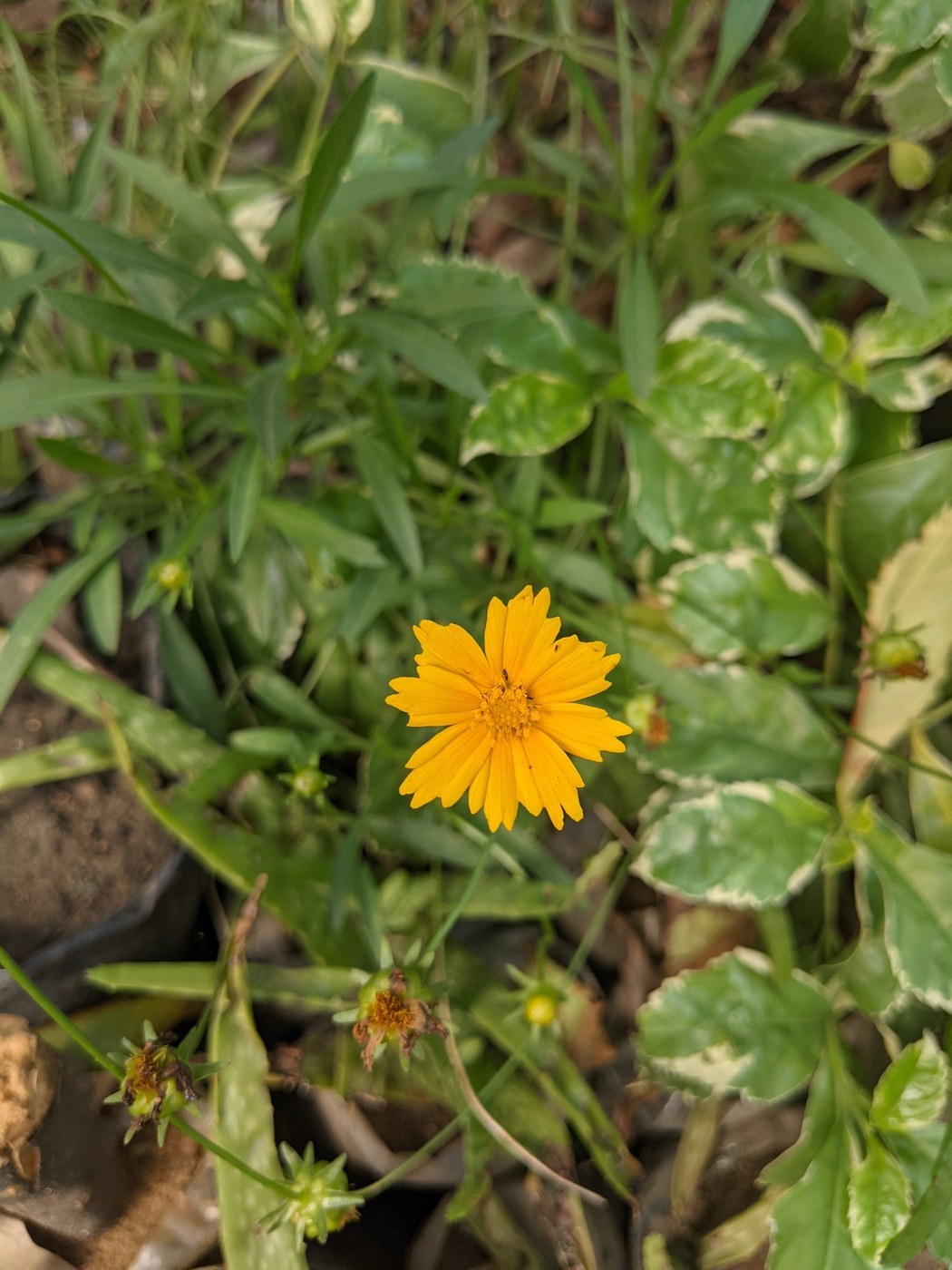
- Flowers: Bright golden-yellow, 4-petaled, cup-shaped, about 4-5 cm across, with a prominent cluster of stamens.
- Leaves: Deeply pinnately lobed, blue-green, hairy beneath, in basal clusters.
- Sap: Yellow to orange, exuded from broken stems.
- Seed pods: Hairy, nodding, capsule-like.
- Height: Typically 30-45 cm tall.
- Habit: Mounded clump that self-seeds into colonies.
Care & growing
Light: Partial to full shade, mimicking its woodland home.
Water: Keep soil consistently moist; it may go dormant if it dries out in summer.
Soil: Rich, humusy, well-drained woodland soil.
Temperature: Hardy in temperate climates; appreciates cool, shaded conditions.
Feeding: A leaf-mould or compost mulch is usually sufficient.
Propagation: Self-sows readily; sow fresh seed or divide clumps in spring or fall.
Habitat & origin
Native to the eastern United States and adjacent Canada, where it grows in moist, rich deciduous forests, ravines, and shaded stream banks. It thrives in the humus-rich soils of the forest floor.
It is grown in shade and woodland gardens for its early color and is valued as a native alternative to the invasive greater celandine and lesser celandine.
Frequently asked questions
Is celandine poppy the same as greater celandine?
No. Celandine poppy (Stylophorum diphyllum) is a desirable native, while greater celandine (Chelidonium majus) and lesser celandine are non-native and often weedy or invasive.
Why did my plant disappear in summer?
It can go semi-dormant during hot, dry summer weather, especially if the soil dries out. Keep it moist and shaded to prolong the foliage.
Does it spread?
Yes. It self-sows freely, with ants helping disperse the seeds, so it gradually forms colonies in suitable shaded, moist sites.
What does the flower look like?
It bears bright golden-yellow, four-petaled, cup-shaped poppy flowers about 4-5 cm across, with a prominent central cluster of stamens, held above deeply lobed blue-green leaves.
Celandine Poppy guides
In-depth guides for identifying, growing, and caring for Celandine Poppy.
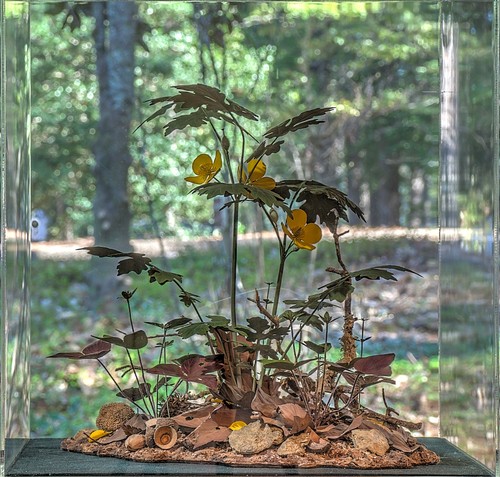
How to Care for Celandine Poppy
Grow Stylophorum diphyllum, a shade-loving woodland perennial with bright yellow poppy flowers and handsome lobed foliage.
Celandine Poppy Identification Guide
Identify Celandine Poppy by its large four-petaled golden-yellow flowers, deeply lobed blue-green leaves, and yellow-orange sap.