
How to Care for Celery
Grow celery (Apium graveolens) with rich moist soil, steady water, and a long cool season for crisp, upright stalks in the garden.
Read the full Celery encyclopedia entry →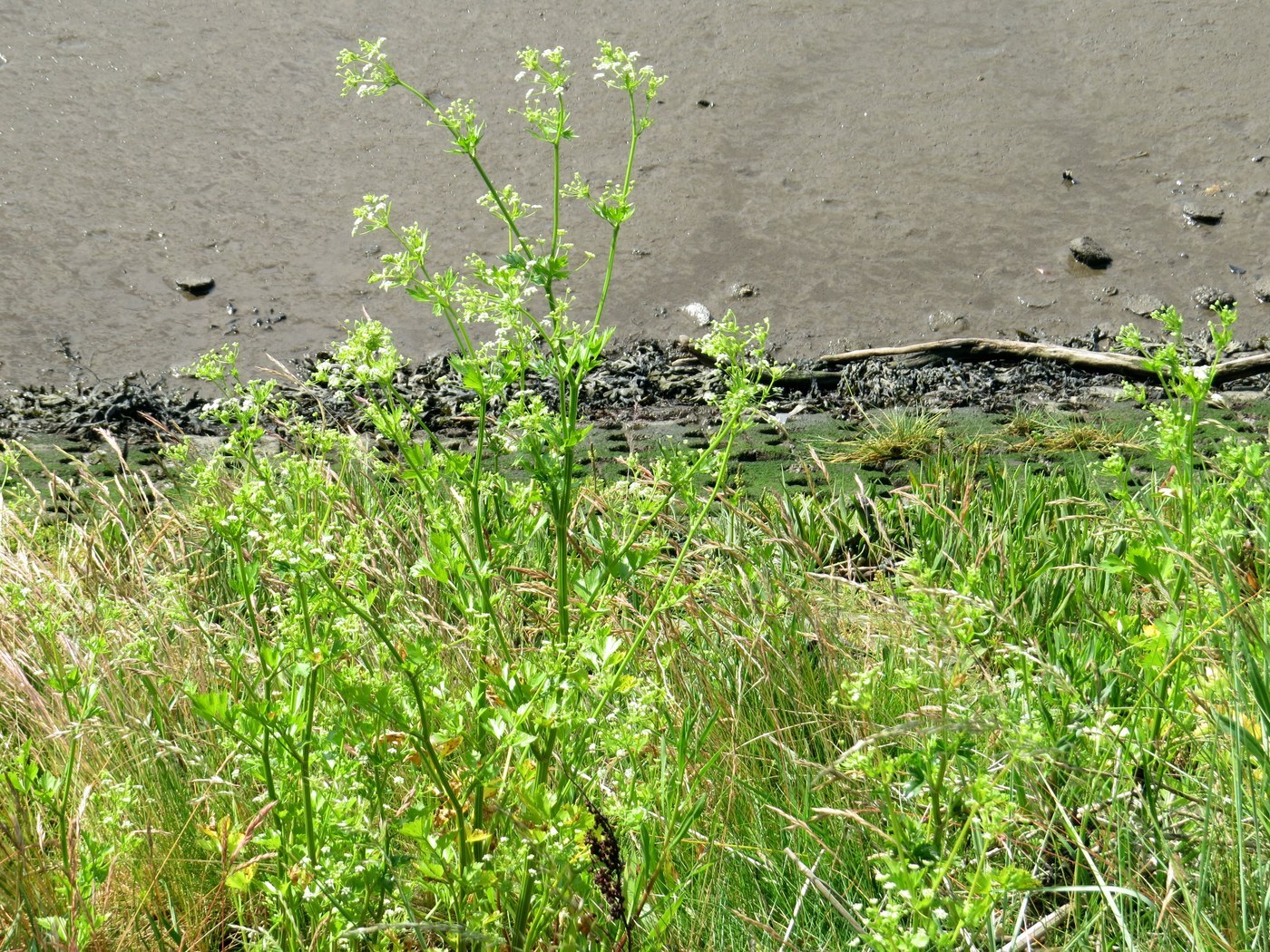
Celery (Apium graveolens) is a demanding cool-season plant known for its long growing season, thirst for water, and need for consistently rich, moist soil. It rewards attentive growers with dense clumps of ribbed, upright stalks, but its exacting requirements earn it a reputation as one of the more challenging garden crops.
Light
Celery grows best in full sun to partial shade. In cooler climates give it full sun for strong, steady growth; in hot regions light afternoon shade helps keep the soil cool and moist and prevents the stress that leads to bolting. It needs bright conditions overall but dislikes intense, drying heat.
Water
Water is the single most important factor. Celery demands constantly and evenly moist soil throughout its long season, and it will not tolerate drying out. Irregular watering produces stringy, tough, or hollow stalks and can trigger bolting. Water deeply and frequently, and use mulch to retain soil moisture. This is a plant you cannot afford to let wilt.
Soil & Potting
Provide deep, fertile, moisture-retentive soil that is rich in organic matter, with a near-neutral pH. Work in plenty of compost or well-rotted matter before planting to boost both fertility and water retention. Celery has a shallow root system, so the surface layer must stay rich and damp. In containers, use a large, deep pot with a heavy, moisture-holding mix and never let it dry.
Humidity & Temperature
Celery is a cool-season crop, thriving in the range of roughly 15-21C. It bolts to seed in prolonged heat and can be checked or bolted by extended cold snaps early on, so timing matters. Aim to grow it through the cooler parts of spring and autumn. It appreciates moderate humidity and steady, temperate conditions rather than extremes.
Feeding
Celery is a heavy feeder to match its heavy demand for water. Enrich the soil deeply before planting and follow with regular feeding through the season using a balanced fertilizer, with attention to steady nitrogen for lush stalk growth. Consistent nutrition, like consistent moisture, is key to tender rather than tough, stringy stalks.
Propagation
Celery is grown from seed, which is slow and fussy to germinate. Sow seed on the surface as it needs light to sprout, keep it warm and evenly moist, and be patient, as germination can take two to three weeks. Start seed indoors well ahead of the season because of the long time to maturity, then harden off and transplant seedlings once the risk of a hard cold spell has passed.
Repotting / Pruning
Transplant seedlings carefully at the right stage, spacing them to allow full clumps to develop. Some growers blanch the stalks by mounding soil or wrapping the base to keep them pale and tender, though self-blanching types reduce this work. Remove any outer stalks that yellow or damage, and keep the crown clear of debris. Container plants seldom need repotting within their single season.
Common Problems & Pests
The most frequent troubles trace back to inconsistent moisture and heat, producing bolting, stringy stalks, or hollow, cracked stems. Celery leaf spot and blights can mar the foliage in wet conditions; ensure airflow and avoid overhead wetting late in the day. Slugs, aphids, and celery leaf miner are common pests; handpick, use barriers, and remove affected leaves. Boron or calcium deficiency can cause cracking and internal browning, so keep soil balanced.
Seasonal Care Tips
Start seed indoors in late winter for a spring crop, or midsummer for autumn harvest. Transplant into deeply enriched, moisture-retentive soil once weather is mild and stable. Through the growing season, the watchwords are constant water, steady feeding, and cool conditions. Mulch heavily, shade in heat, and harvest before hot weather or hard frost cuts the crop short.
Frequently asked questions
Why are my celery stalks stringy and tough?
Almost always inconsistent watering, heat stress, or slow growth from poor soil. Keep the soil constantly moist, feed steadily, and grow celery in cool conditions for tender stalks.
Why is my celery bolting to seed?
Bolting is triggered by heat or by a cold spell early in growth that stresses the plant. Grow celery in the cool parts of the season, keep it evenly watered, and shade it in hot spells.
Why is celery considered hard to grow?
It has a long growing season, needs constantly moist and rich soil, is a heavy feeder, and bolts in heat. Meeting all those needs at once is what makes it demanding.
How do I get pale, tender celery stalks?
Blanch them by mounding soil around the base or wrapping the lower stalks a couple of weeks before harvest, or grow self-blanching varieties that need less of this work.