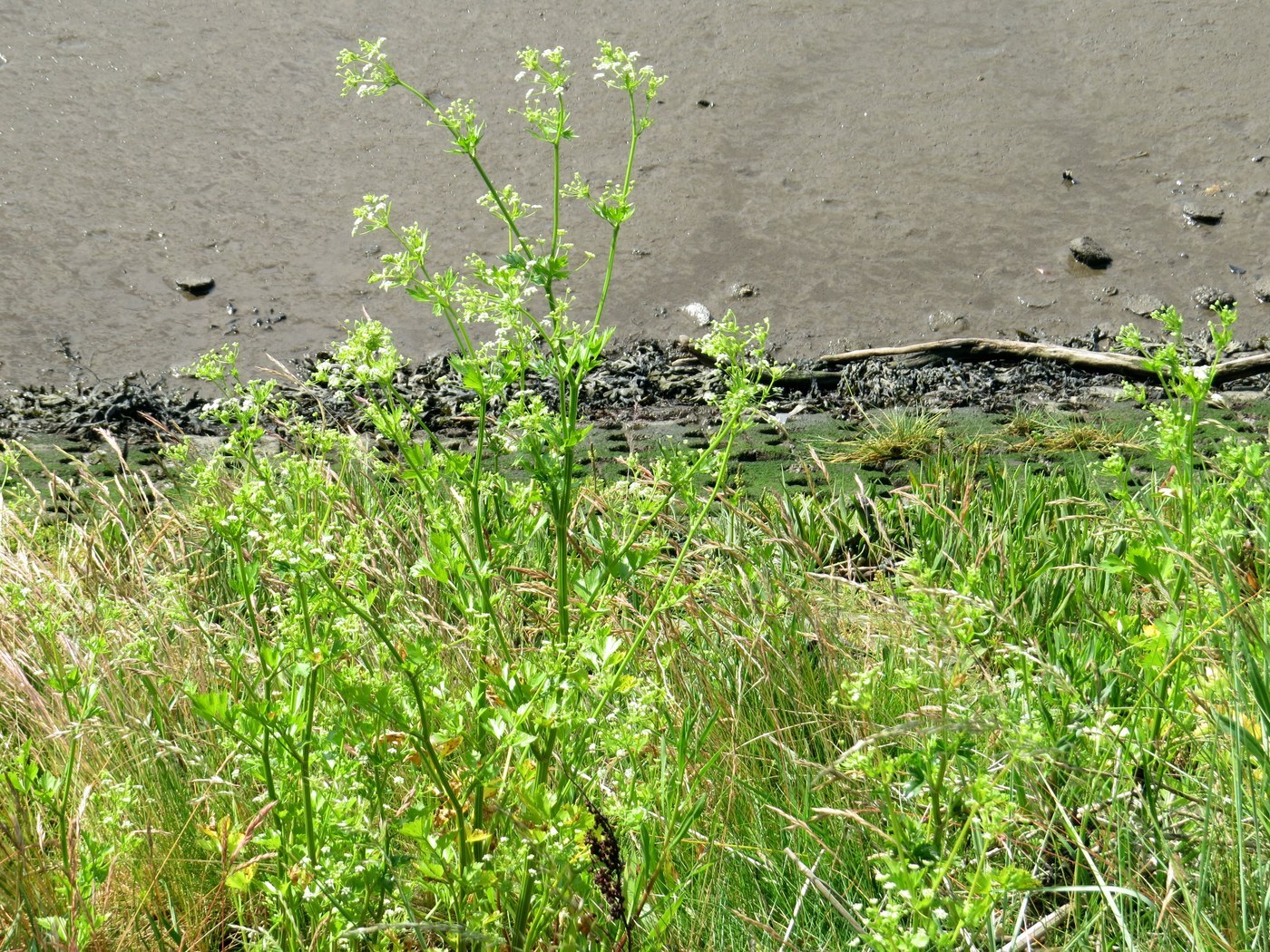
Celery
Apium graveolens
Celery is a marsh-loving biennial grown for its long, ribbed leaf stalks. It is famously demanding, needing rich soil and constant moisture to grow well.
- Light
- Full sun to part shade
- Water
- Frequent; keep soil constantly moist
- Difficulty
- Hard
Got a plant like this?
Identify any plant from a photo, free.
Overview
Celery (Apium graveolens) is a biennial in the carrot family grown as an annual for its leaf stalks (petioles), leaves and aromatic seeds. The familiar pale stalks are the result of careful cultivation.
Wild celery, sometimes called smallage, is a coarse, strongly aromatic marsh plant. Centuries of selection produced the fleshier-stalked vegetable grown today, as well as celeriac, a root-bulb form.
Celery has a reputation as one of the trickier kitchen-garden crops, rewarding patience and steady care with sturdy, well-formed stems.
How to identify it
- Habit: Upright clump of long, grooved leaf stalks, typically 30-60 cm (1-2 ft) tall
- Stalks: Ribbed petioles, pale green to white near the base
- Leaves: Glossy, divided, parsley-like leaflets at the top of each stalk
- Flowers (second year): Small, white, in flat-topped umbels typical of the carrot family
- Aroma: Strongly aromatic when cut or crushed
Care & growing
Light: Full sun in cool climates; light afternoon shade where summers are hot.
Water: Constant, generous moisture is essential, as celery originated in wet ground and the stalks toughen if it dries out.
Soil: Very rich, moisture-retentive soil with abundant organic matter; pH 6.0-7.0.
Temperature: Cool-season crop preferring 15-21°C (60-70°F); prolonged cold can trigger premature bolting.
Feeding: Heavy feeder; provide steady nitrogen and keep soil fertile throughout the long season.
Propagation: From seed started indoors many weeks before transplanting; seed is slow and fussy to germinate.
Habitat & origin
Wild celery is native to wetlands, marshes and salty coastal areas across Europe, the Mediterranean basin and western Asia. It naturally grows in damp, fertile ground.
Cultivated celery is now grown commercially and in home gardens around the world in cool, moist conditions, with major production in the United States, Europe and China.
Frequently asked questions
Should I blanch celery?
Self-blanching varieties are common today, but you can wrap or earth up the stalks to exclude light for paler stems.
Can I regrow celery from the base?
Yes, the cut base will sprout new leaves in water, though it won't form a full new bunch of thick stalks indoors.
Why did my celery bolt?
Exposure to a cold spell early in growth can trigger flowering. Avoid transplanting too early and protect young plants from cold snaps.
Celery guides
In-depth guides for identifying, growing, and caring for Celery.
How to Care for Celery
Grow celery (Apium graveolens) with rich moist soil, steady water, and a long cool season for crisp, upright stalks in the garden.
Celery Identification Guide
How to identify celery (Apium graveolens) by its clustered ribbed stalks, glossy divided leaves, and tiny white umbel flowers.