
Celery Identification Guide
How to identify celery (Apium graveolens) by its clustered ribbed stalks, glossy divided leaves, and tiny white umbel flowers.
Read the full Celery encyclopedia entry →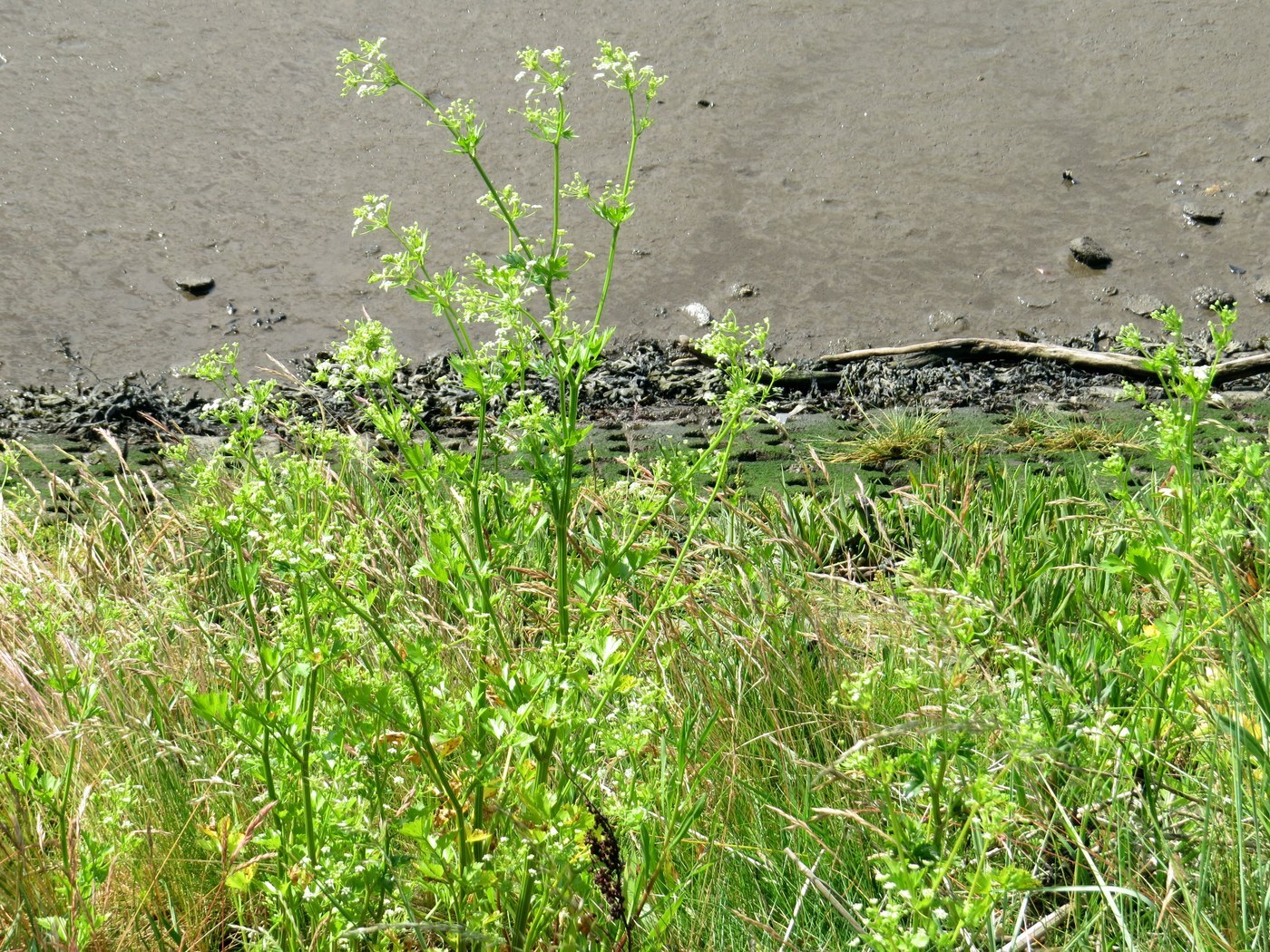
Key Identifying Features
Celery (Apium graveolens) is a biennial in the carrot family (Apiaceae), grown as an annual for its leaf stalks. Look for an upright rosette of tightly bunched, ribbed, grooved stalks topped with glossy divided leaves, and a strong, unmistakable celery aroma when any part is bruised.
- Dense clump of fleshy, longitudinally ribbed stalks (petioles)
- Glossy, pinnately divided leaves with toothed leaflets
- Distinctive fresh, savory celery smell
- In its second year, flat-topped umbels of tiny white flowers
Leaves & Stems
The "stalks" are actually leaf stalks (petioles): long, succulent, pale green to whitish, with prominent lengthwise ridges and a shallow groove down the inner face. They grow in a tight upright bunch from a short base. Each petiole ends in a fan of shiny, dark green leaflets that are coarsely toothed and divided into 3-5 segments, resembling flat-leaf parsley but larger and glossier. The whole plant is strongly aromatic. Leaf celery and celeriac are forms of the same species with thinner stalks or a swollen root, respectively.
Flowers & Fruit
Celery flowers only in its second year (or if it bolts in heat). It sends up a branched stalk topped with compound umbels (umbrella-like clusters) of many tiny five-petaled white to greenish flowers, typical of the carrot family. These mature into small, ribbed, oval schizocarp fruits (seeds) that are intensely aromatic.
How to Tell It Apart from Look-Alikes
- Flat-leaf parsley: very similar leaves, but parsley has thin, non-fleshy stalks and lacks the thick ribbed celery petioles; celery's aroma is also stronger and more savory.
- Hemlock (Conium maculatum): a similar carrot-family plant with white umbels. Hemlock has purple-blotched smooth stems, a musty smell, and ferny lacy leaves; celery has ribbed unspotted stalks and a pleasant celery smell.
- Lovage: taller, with a celery-like smell, but lovage has larger, more triangular leaflets and yellow-green flowers.
Where You'll Find It
Celery grows in vegetable gardens, market farms, and cool moist beds; it prefers steady moisture and cool weather. Wild celery (smallage) occurs in damp, brackish, or marshy ground near coasts and ditches. Cultivated celery is sold and grown nearly worldwide.
Quick ID Checklist
- Tight upright bunch of ribbed, grooved fleshy stalks
- Glossy, toothed, parsley-like leaflets at stalk tips
- Strong fresh celery aroma when bruised
- White flat-topped flower umbels in year two
- Unspotted stems (NOT purple-blotched like hemlock)
Frequently asked questions
How is celery different from parsley?
Both are aromatic carrot-family plants with similar divided leaves, but celery has thick, fleshy, ribbed leaf stalks growing in a tight bunch, while parsley has thin, wiry stalks. Celery also has a stronger, more savory smell.
How do I tell celery from hemlock?
Hemlock has purple-blotched smooth stems, lacy ferny foliage, and a musty odor, while celery has ribbed, unspotted stalks and a pleasant celery smell. Stem texture, spotting, and scent are the clearest differences.
Why doesn't my celery flower?
Celery is a biennial, so it normally produces leaf stalks the first year and only flowers in its second year. It may bolt and flower early if exposed to prolonged cold or heat stress.
What do celery flowers look like?
They form flat-topped compound umbels of many tiny white to greenish five-petaled flowers, the classic umbrella-shaped clusters seen across the carrot family.