
How to Care for Celosia
Grow vivid plume and cockscomb Celosia argentea in full sun with even moisture and warmth for months of flame-colored bloom.
Read the full Celosia encyclopedia entry →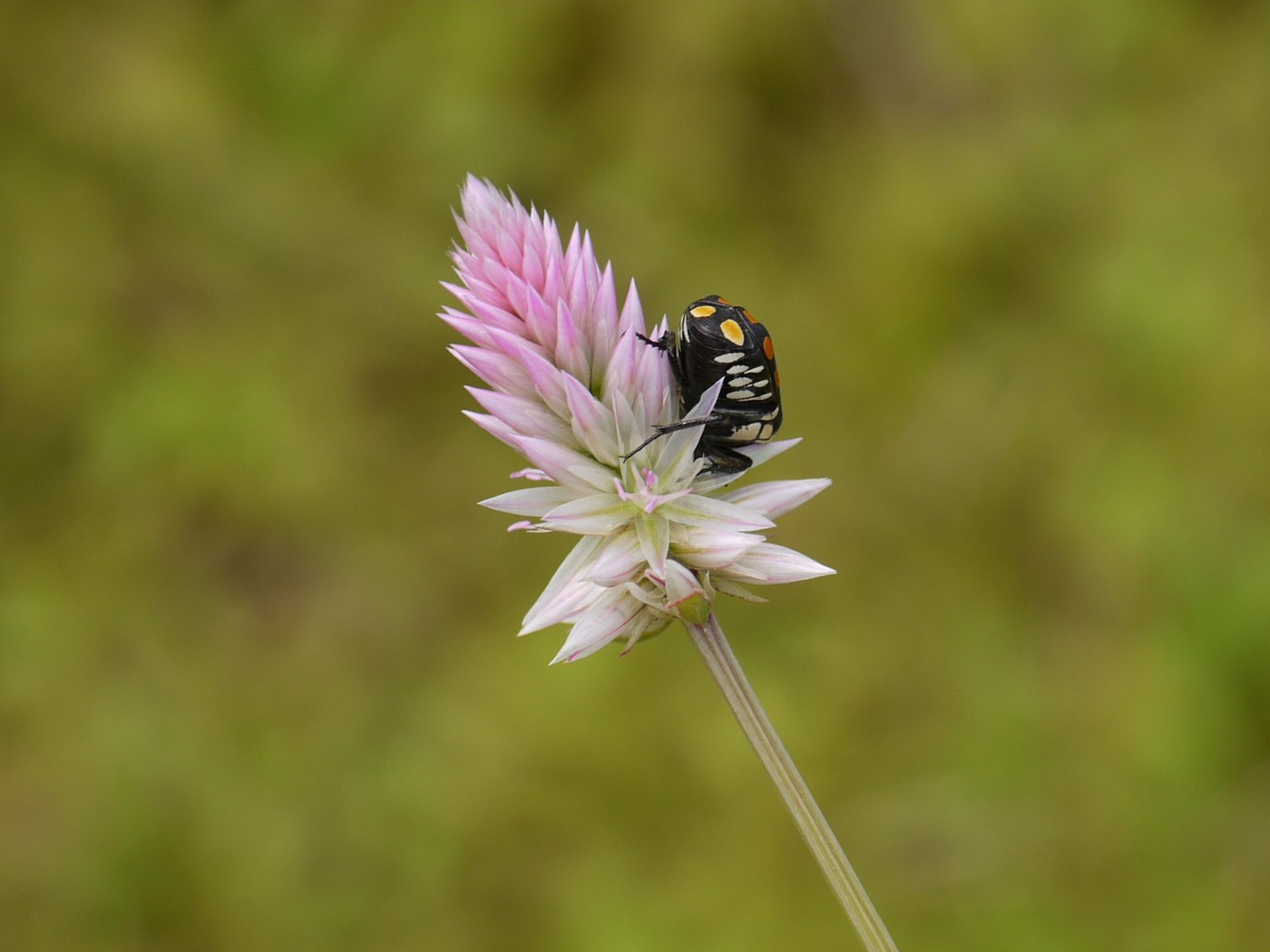
Celosia (Celosia argentea) is a heat-loving annual grown for its dramatic, flame-like plumes and velvety cockscomb crests in scarlet, orange, gold, and magenta. It is an easy, fast-growing plant that thrives in warm, sunny beds and containers and blooms tirelessly through summer into fall.
Light
Give Celosia full sun, at least six to eight hours of direct light daily. Abundant sun produces sturdy stems and the most intense, saturated flower color. In too much shade the plants stretch, flop, and bloom poorly, so choose the brightest spot available outdoors or a very sunny window for indoor pots.
Water
Keep the soil evenly moist but not waterlogged, watering when the top inch begins to dry. Consistent moisture during active growth supports lush plumes, while prolonged drought stresses the plant and shortens flowering. Water at the base rather than overhead to keep the foliage and blooms dry and reduce fungal problems.
Soil & Potting
Celosia likes rich, well-drained soil with plenty of organic matter. Work compost into garden beds and choose a quality potting mix for containers, always with good drainage holes. It tolerates a range of soils but resents soggy, compacted ground, which invites root and stem rot. A slightly loose, fertile bed gives the strongest growth.
Humidity & Temperature
This is a warm-season plant that revels in heat and does not tolerate frost. Wait until soil is warm and nights stay above about 55 to 60 F before planting out. It handles ordinary outdoor humidity but prefers good air circulation; crowded, stagnant, humid conditions can encourage leaf spot and stem issues.
Feeding
Feed lightly and regularly for continuous bloom. A balanced or slightly phosphorus-leaning fertilizer applied every three to four weeks, or a slow-release granule at planting, keeps plumes coming. Avoid overdoing nitrogen, which pushes leafy growth at the expense of flowers. Container plants need feeding more often than those in rich garden soil.
Propagation
Celosia is easily grown from seed. Start seed indoors six to eight weeks before the last frost or sow directly once the soil is warm, pressing the fine seed onto the surface since it needs light to germinate. Keep the seedbed warm and moist; germination is quick, and seedlings transplant readily once they have a few true leaves.
Repotting / Pruning
As an annual it rarely needs repotting, though nursery starts benefit from moving into their final container or bed promptly. Pinch young plants once to encourage branching and more flower stems. Deadheading faded plumes keeps the display fresh and can prolong blooming; leaving some heads to dry lets you collect seed.
Common Problems & Pests
Overwatering and poor drainage cause root rot, yellowing, and collapse, so err toward evenly moist rather than wet. In humid conditions leaf spot and stem rot can appear; improve spacing and airflow and water at the base. Watch for aphids and spider mites, especially on stressed plants, and treat with a strong water spray or insecticidal soap.
Seasonal Care Tips
Start or plant out only after all frost has passed and the soil has warmed. Through summer, keep moisture steady, feed regularly, and deadhead to extend the show. As nights cool in fall, blooming winds down; the plant is an annual and will finish with frost, so collect dried seed heads beforehand if you want to grow it again next year.
Frequently asked questions
How much sun does Celosia need?
Full sun, ideally six to eight hours of direct light a day. Strong sun gives sturdy stems and the boldest flower color, while shade causes stretching, flopping, and weak blooming.
Is Celosia an annual or perennial?
In most climates it is grown as a warm-season annual. It is frost-tender and finishes its life cycle when cold arrives, but it self-seeds readily and is easy to regrow from collected seed.
Why is my Celosia leggy and floppy?
Too little light is the usual cause. Move it to a sunnier spot, and pinch young plants once to encourage bushier, branching growth with more flower stems.
How do I keep Celosia blooming longer?
Deadhead spent plumes, keep the soil evenly moist, and feed every few weeks with a balanced or phosphorus-leaning fertilizer. Consistent care extends the flowering season into fall.