Celosia
Celosia argentea
Celosia produces striking flame-like plumes or brain-like crested heads in vivid colors, holding both fresh and dried for long-lasting display.
- Light
- Full sun
- Water
- Moderate; even moisture
- Difficulty
- Easy
Got a plant like this?
Identify any plant from a photo, free.
Overview
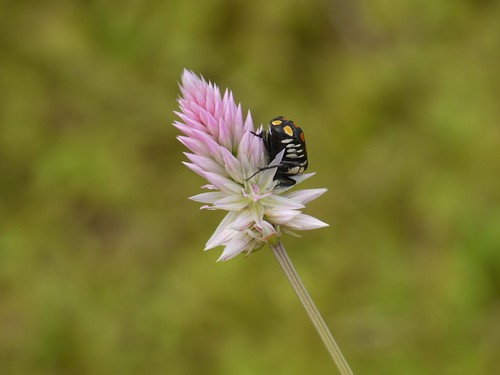
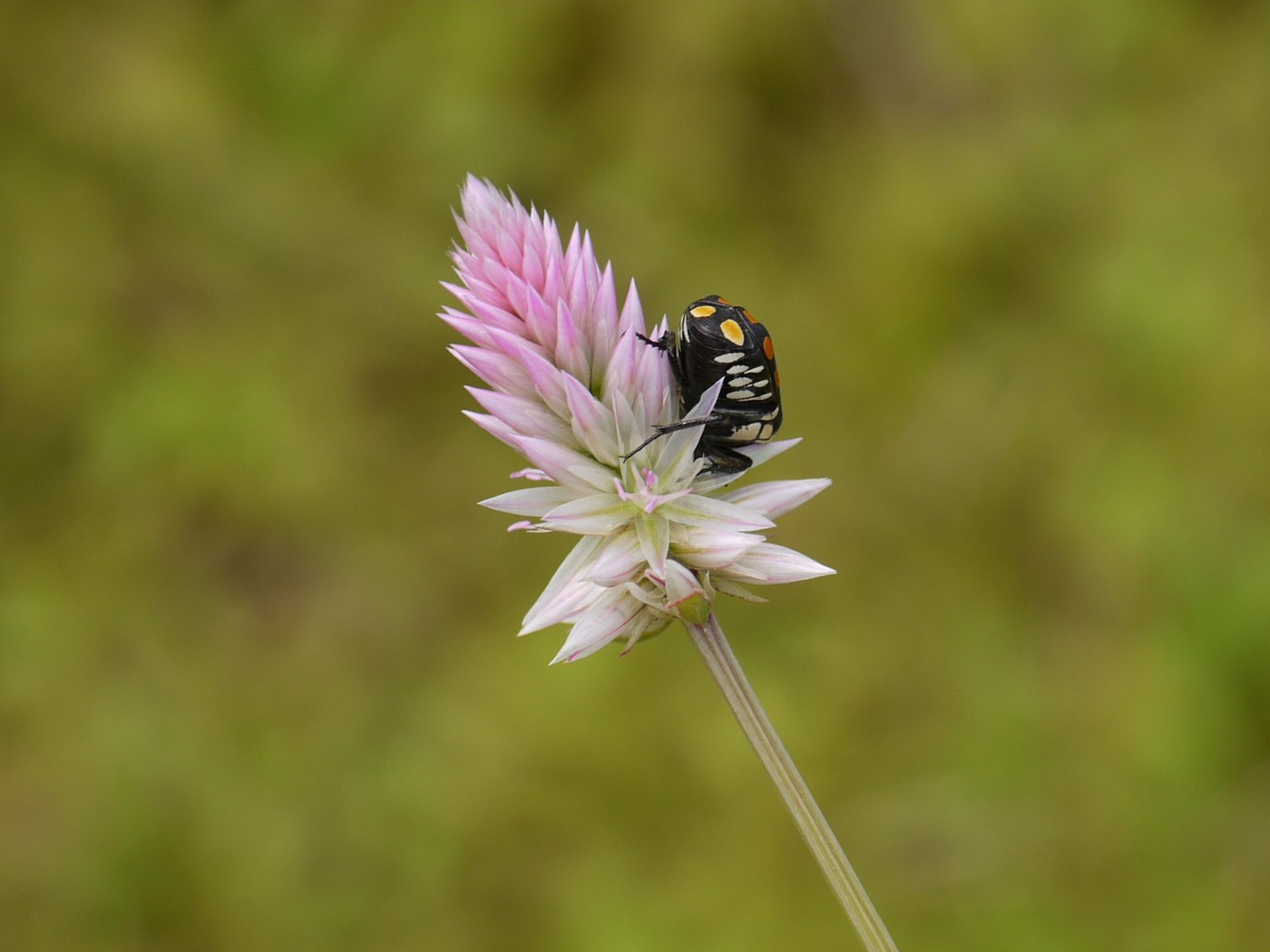
Celosia is a bold tropical annual grown for its dramatic, intensely colored flower heads that come in three main forms: feathery plumes (plumosa), velvety crested combs (cristata, the classic cockscomb), and dense wheat-like spikes (spicata).
The flowers have a curious, almost synthetic texture and hold their saturated reds, oranges, yellows, pinks, and purples for weeks. They are excellent both fresh and dried, retaining color long after cutting.
How to identify it
- Habit: Upright, 6 in to 3 ft depending on variety
- Flowers: Feathery plumes, velvety fan-shaped crests, or narrow spikes
- Texture: Densely packed, almost wool- or velvet-like
- Leaves: Lance-shaped or oval, green, sometimes flushed red or bronze
- Colors: Brilliant red, orange, yellow, pink, magenta, cream
Care & growing
Light: Full sun for the strongest color and sturdiest growth.
Water: Keep evenly moist; avoid both drought stress and soggy soil.
Soil: Rich, well-drained soil.
Temperature: A warm-season plant; do not set out until weather is reliably warm.
Feeding: Feed lightly through the season; avoid excess nitrogen.
Propagation: Easy from seed sown in warmth; surface-sow as light aids germination.
Habitat & origin
Celosia argentea is native to tropical regions of Africa, Asia, and the Americas, growing in warm, open, disturbed ground.
It is cultivated worldwide as an ornamental for its vivid, long-lasting flower heads.
Frequently asked questions
Can celosia be dried?
Yes. Cut stems when the heads are fully colored and hang them upside down to dry; they hold their color for months.
Why are my cockscomb plants small and stunted?
Celosia resents cold and root disturbance. Planting out too early in cold soil or transplanting carelessly can permanently stunt it.
Does celosia come back every year?
It is grown as an annual but self-seeds readily, so it often reappears from dropped seed in warm gardens.
What are the different flower forms?
There are three main types: feathery plumes (plumosa), velvety crested combs (cristata, the classic cockscomb), and narrow wheat-like spikes (spicata).
Celosia guides
In-depth guides for identifying, growing, and caring for Celosia.