
Celosia Identification Guide
Identify Celosia by its vivid flame-like plumes, brain-like crested combs, or upright spikes of densely packed tiny flowers.
Read the full Celosia encyclopedia entry →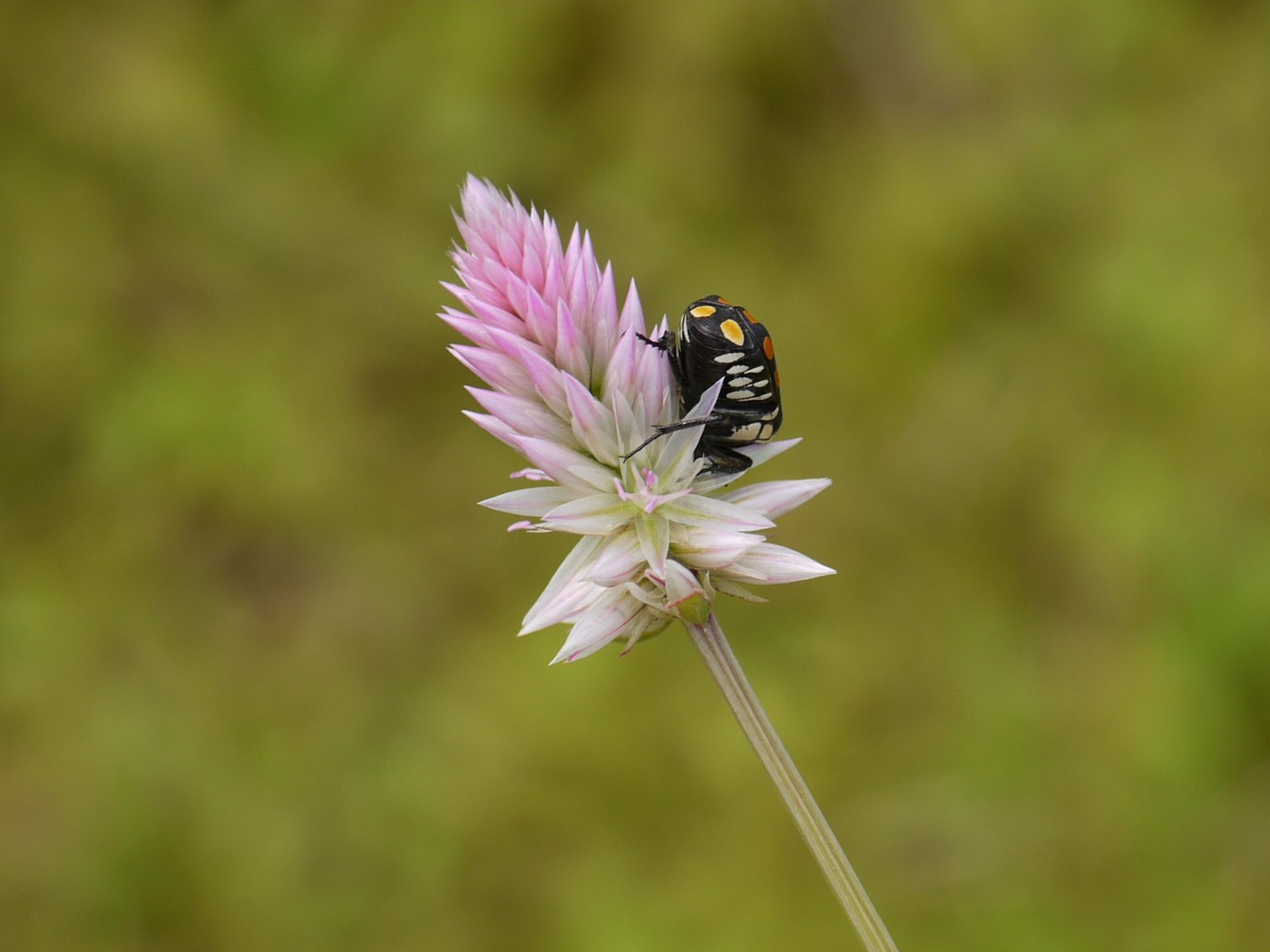
Key Identifying Features
Celosia (Celosia argentea and relatives) is a warm-season annual in the amaranth family famous for brilliant, almost artificial-looking flower heads in fiery reds, oranges, yellows, pinks, and magentas. It comes in three distinctive forms that make ID straightforward:
- Plumosa (plume) type — soft, feathery, flame-shaped plumes
- Cristata (crested/cockscomb) type — convoluted, brain- or coral-like fans
- Spicata (wheat) type — slender, upright, wheat-like spikes
All share densely packed tiny flowers, papery dry texture, and intense saturated color.
Leaves & Stems
Leaves are alternate, simple, lance-shaped to oval (ovate) with smooth or slightly wavy edges and a pointed tip. They are often green but frequently flushed with red, burgundy, or bronze, especially along the veins. Stems are upright, ridged, and sometimes reddish, ranging from 6 in dwarf types to 3 ft (1 m) tall cut-flower varieties.
Flowers & Fruit
What looks like one large flower is actually a dense inflorescence of hundreds of minute flowers with showy bracts. The texture is velvety to papery and dry to the touch. Crested cockscombs form fasciated (fused) ridges resembling a rooster's comb or coral. After bloom, tiny shiny black seeds develop within the heads, and the colorful heads dry well and hold color, making celosia popular for dried arrangements.
How to Tell It Apart from Look-Alikes
- Amaranth (Amaranthus): a close relative with drooping tassels or upright plumes, but flowers are looser and the plant is generally coarser and taller; celosia heads are denser and more sculpted.
- Salvia / Liatris spikes: superficially spike-like but have distinct tubular individual flowers, not the fused velvety mass of plumed celosia.
- The crested cockscomb form is essentially unmistakable — no other common garden plant produces that brain-like fan.
Where You'll Find It
Celosia is grown in summer flower beds, borders, containers, and cutting gardens, thriving in full sun and heat. It tolerates poor soil and drought once established. The wild form, Celosia argentea, also grows as a weed in warm regions and along disturbed roadsides.
Quick ID Checklist
- Intensely colored red/orange/yellow/pink flower heads
- Feathery plume, brain-like crest, OR wheat-like spike form
- Velvety to papery dry texture
- Lance-shaped leaves, often red- or bronze-tinged
- Upright ridged stems; loves heat and sun
- Heads hold color when dried
Frequently asked questions
Why does celosia look like a brain or rooster comb?
The crested (cristata) types undergo fasciation, where the growing tip fuses and flattens into convoluted ridges. This brain- or cockscomb-like shape is one of the most recognizable forms of celosia.
Are celosia flowers actually one big flower?
No. Each colorful head is an inflorescence made of hundreds of tiny individual flowers packed tightly together, which is why the surface looks velvety or papery.
Can I dry celosia for arrangements?
Yes. Celosia holds its vivid color when dried, which is both a useful trait and an ID clue — cut and hung upside down, the plumes and combs keep their shape and hue for months.
Is the feathery type the same plant as the cockscomb type?
They are forms of the same species, Celosia argentea. Plumosa produces feathery plumes and Cristata produces crested combs, but the leaves, stems, and seeds are essentially the same.