
How to Care for Century Plant
Grow the dramatic Century Plant (Agave americana) with full sun, gritty fast-draining soil, and very sparing watering.
Read the full Century Plant encyclopedia entry →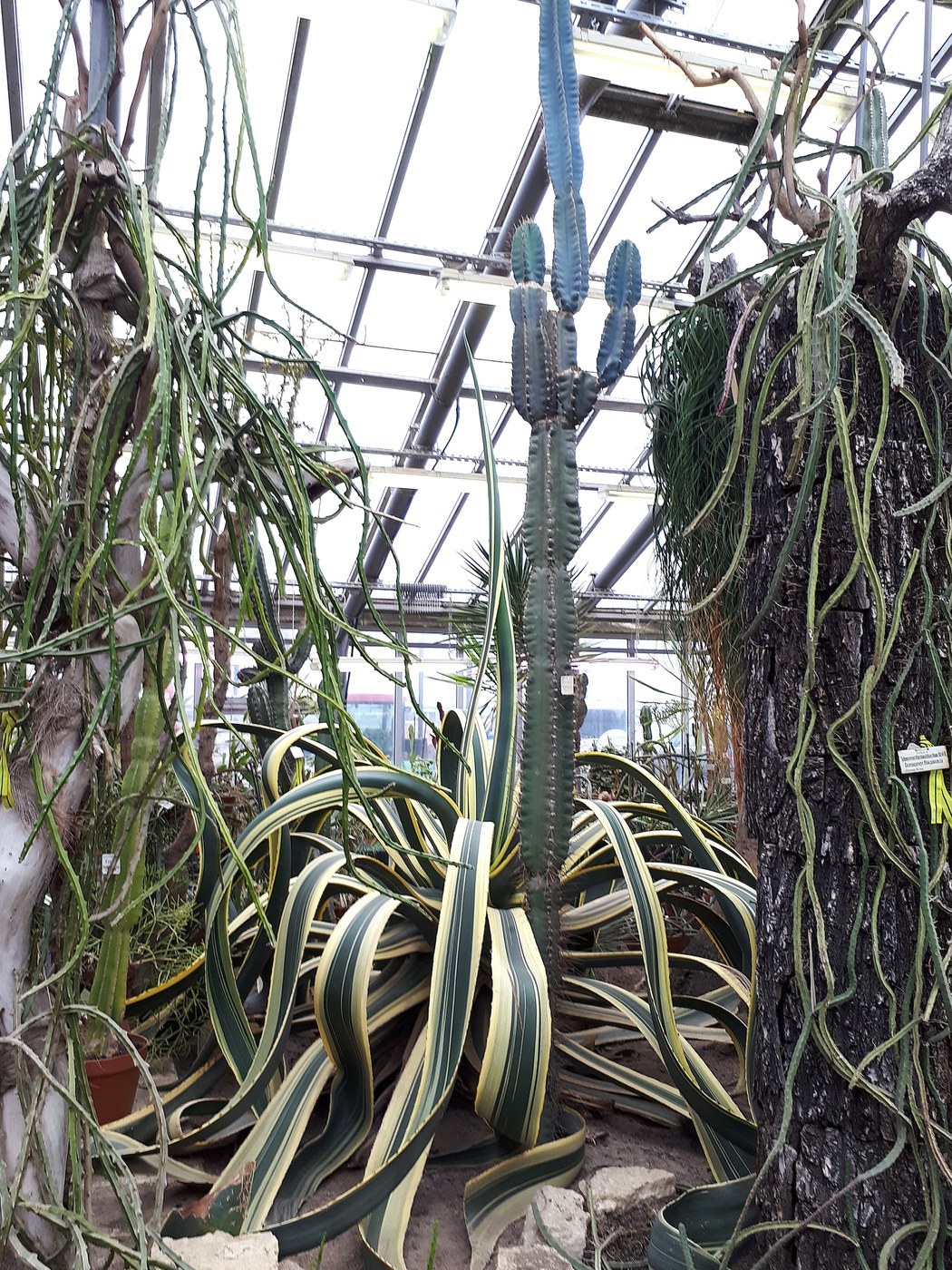
The Century Plant (Agave americana) is a bold, architectural succulent that forms a rosette of thick blue-gray leaves edged with sharp spines. It is a slow, forgiving grower that thrives on neglect once established, making it an easy-care choice for hot, sunny landscapes and large containers.
Light
Give the Century Plant as much light as possible. Full sun for six or more hours a day produces the tightest, most compact rosette and the strongest leaf color. In low light the plant stretches, softens, and loses its silvery bloom. Indoors, place it directly against the brightest south- or west-facing window; a plant grown under glass benefits from being moved outside for the warm season to recharge in real sun.
Water
Water very sparingly. This is a true drought-tolerant succulent that stores moisture in its fleshy leaves, so it needs far less than most houseplants. During active growth in spring and summer, water deeply only when the soil has dried out completely, then let it dry again before the next drink. In fall and winter, cut back to almost nothing, watering just enough to keep the leaves from shriveling. Overwatering is the single most common way to lose this plant, as soggy soil quickly rots the base.
Soil & Potting
Use a fast-draining, gritty mix. A commercial cactus and succulent blend amended with extra coarse sand, pumice, or perlite works well and prevents water from lingering around the roots. In the ground, plant in sandy or rocky soil, and on heavy clay build a raised mound or berm to improve drainage. Containers must have generous drainage holes; unglazed terracotta is ideal because it wicks excess moisture away.
Humidity & Temperature
This plant loves warm, dry air and shrugs off heat that wilts other plants. It prefers temperatures above 50F and appreciates good airflow. It has some cold tolerance and can withstand brief light frost when kept dry, but prolonged cold or damp cold will damage the leaves. In climates with hard freezes, grow it in a pot that can be moved to a bright, cool, frost-free spot for winter.
Feeding
Feeding is rarely necessary. In poor soils you can apply a diluted, low-nitrogen succulent fertilizer once in spring, but too much feed forces soft, weak growth that undermines the plant's rugged form. Container plants benefit from a single light feeding at the start of the growing season and nothing more.
Propagation
The easiest method is to remove offsets, or pups, that form around the base of a mature rosette. Gently separate a pup with a few roots attached, let the cut surface dry and callus for a day or two, then pot it up in dry succulent mix and wait a week before the first light watering. The Century Plant is monocarpic, meaning the main rosette flowers once, sends up a towering bloom stalk after many years, and then dies; the surrounding pups carry the plant on.
Repotting / Pruning
Repot only when a plant has clearly outgrown its container, ideally in spring, and handle it with thick gloves and folded cardboard or a towel because of the sharp terminal and marginal spines. Little pruning is needed. Remove old, shriveled outer leaves at the base to keep the rosette tidy, and cut away the spent bloom stalk after flowering.
Common Problems & Pests
The most frequent issues stem from excess moisture: soft, mushy, browning leaf bases or a collapsing center point to root or crown rot, which calls for drier conditions and better drainage. Watch for agave snout weevil in warm regions, which bores into the core and causes the rosette to topple. Scale and mealybugs may settle in leaf crevices and can be wiped off or treated with insecticidal soap. Etiolated, floppy growth simply signals too little light.
Seasonal Care Tips
In spring, resume regular but still infrequent deep watering and give any single feeding of the year. Through summer, let the plant bask in full sun and dry out thoroughly between waterings. In fall, taper watering sharply as growth slows. In winter, keep the plant nearly dry and protected from freezing, wet conditions, moving containers under cover if hard frost threatens.
Frequently asked questions
Why is my Century Plant's center turning soft and brown?
This is almost always rot from overwatering or poor drainage. Move it to a drier spot, repot into gritty fast-draining mix, and water only when the soil is bone dry.
How much sun does a Century Plant need?
As much as you can give it. Full sun for six or more hours keeps the rosette compact and colorful. Too little light makes it stretch and flop.
Does the Century Plant really flower only once?
Yes. It is monocarpic: after many years the main rosette sends up a tall bloom stalk and then dies, while offset pups around the base continue the plant.
How do I propagate a Century Plant?
Remove a rooted pup from the base, let the cut callus for a day or two, then pot it in dry succulent mix and water lightly after about a week.