Century Plant
Agave americana
A massive rosette-forming agave with thick, spiny, blue-grey leaves that grows for decades before sending up a towering flower stalk and then dying. It is an iconic architectural plant of arid gardens.
- Light
- Full sun
- Water
- Very sparingly; drought tolerant
- Difficulty
- Easy
Got a plant like this?
Identify any plant from a photo, free.
Overview
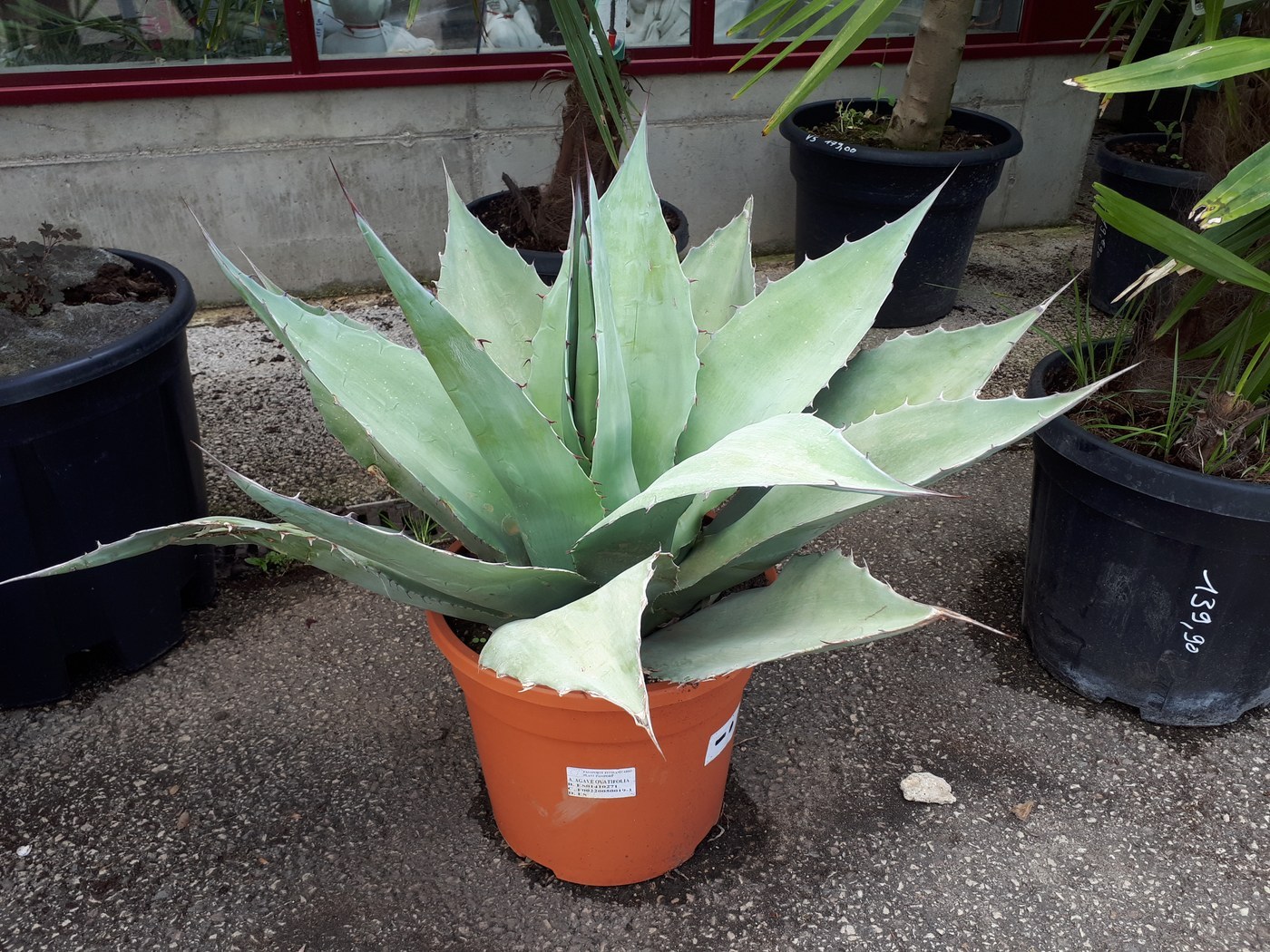
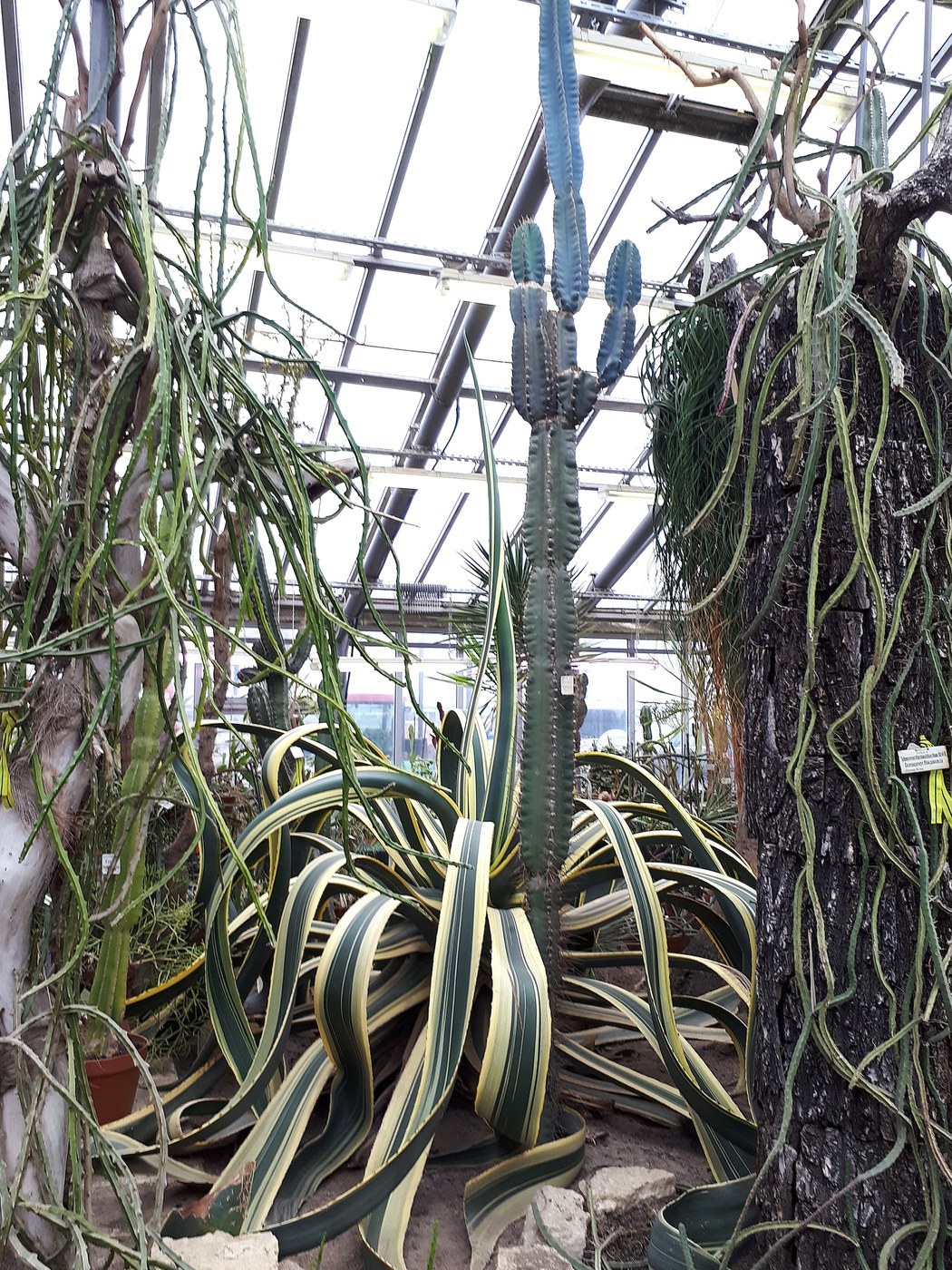
The Century Plant is a large agave forming a dramatic rosette of thick, sword-shaped, blue-grey leaves edged with sharp teeth and tipped with a hard spine. Its name reflects the myth that it blooms once a century - in reality it flowers after 10 to 30 years.
When it does flower, it sends up a spectacular branched stalk up to 20-30 ft (6-9 m) tall bearing yellow blooms, then the main rosette dies, leaving behind suckering offsets.
Extremely tough and drought tolerant, it is a signature plant of desert and Mediterranean landscapes, though its size and spines demand space and care in placement.
How to identify it
- Leaves: Very large, thick, fleshy, blue-grey to grey-green, sword-shaped, with sharp marginal teeth and a hard terminal spine
- Rosette: Massive, can reach 6 ft (1.8 m) wide and tall
- Flower stalk: Enormous branched candelabra spike 20-30 ft (6-9 m) tall with yellow flowers, produced once at the end of life
- Offsets: Produces numerous suckers around the base
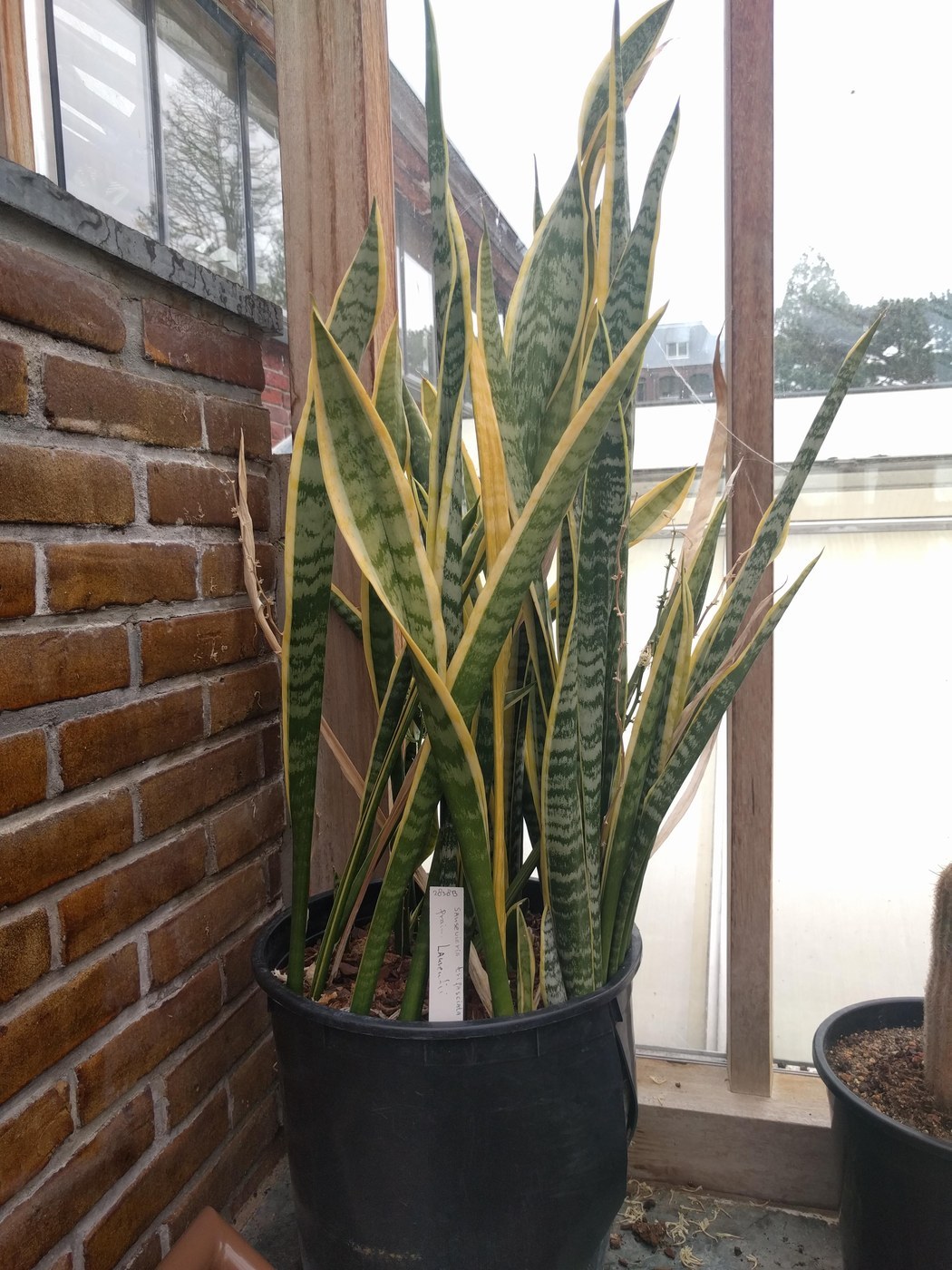
- A variegated form with yellow-edged leaves is common in cultivation
Care & growing
Light: Full sun is essential for compact, healthy growth.
Water: Highly drought tolerant; water only occasionally and let soil dry completely. Established plants often need no supplemental water.
Soil: Any sharply draining sandy or gritty soil.
Temperature: Heat loving and tolerant of light frost once established.
Feeding: Rarely needed; thrives in poor soils.
Propagation: Easiest from the abundant offsets removed from around the base.
Placement: The leaf tips end in a hard, very sharp spine - wear gloves when handling and site the plant away from paths and seating.
Habitat & origin
Agave americana is native to Mexico and the southwestern United States, growing in arid and semi-arid scrubland and rocky terrain.
It has naturalized widely across the Mediterranean, Africa, Australia, and other warm dry regions, where it is a familiar feature of coastal cliffs, roadsides, and xeriscape gardens.
Frequently asked questions
Does the Century Plant really bloom only once a century?
No, the name is a myth. It typically flowers after 10 to 30 years, then the main rosette dies, leaving offsets behind.
Why did my agave die after flowering?
This is normal. Agave americana is monocarpic - the main rosette dies once it has bloomed, but its suckers continue the plant.
Where should I plant a Century Plant?
Its leaf tips are very sharp, so site it well away from walkways and seating, in full sun with sharply draining soil, and wear gloves when handling it.
How much water does it need?
Very little. It is extremely drought tolerant and established plants often survive on rainfall alone.
Century Plant guides
In-depth guides for identifying, growing, and caring for Century Plant.
How to Care for Century Plant
Grow the dramatic Century Plant (Agave americana) with full sun, gritty fast-draining soil, and very sparing watering.
Century Plant Identification Guide
Recognize the Century Plant (Agave americana) by its huge gray-blue rosette of spiny-edged leaves and towering once-in-a-lifetime flower stalk.