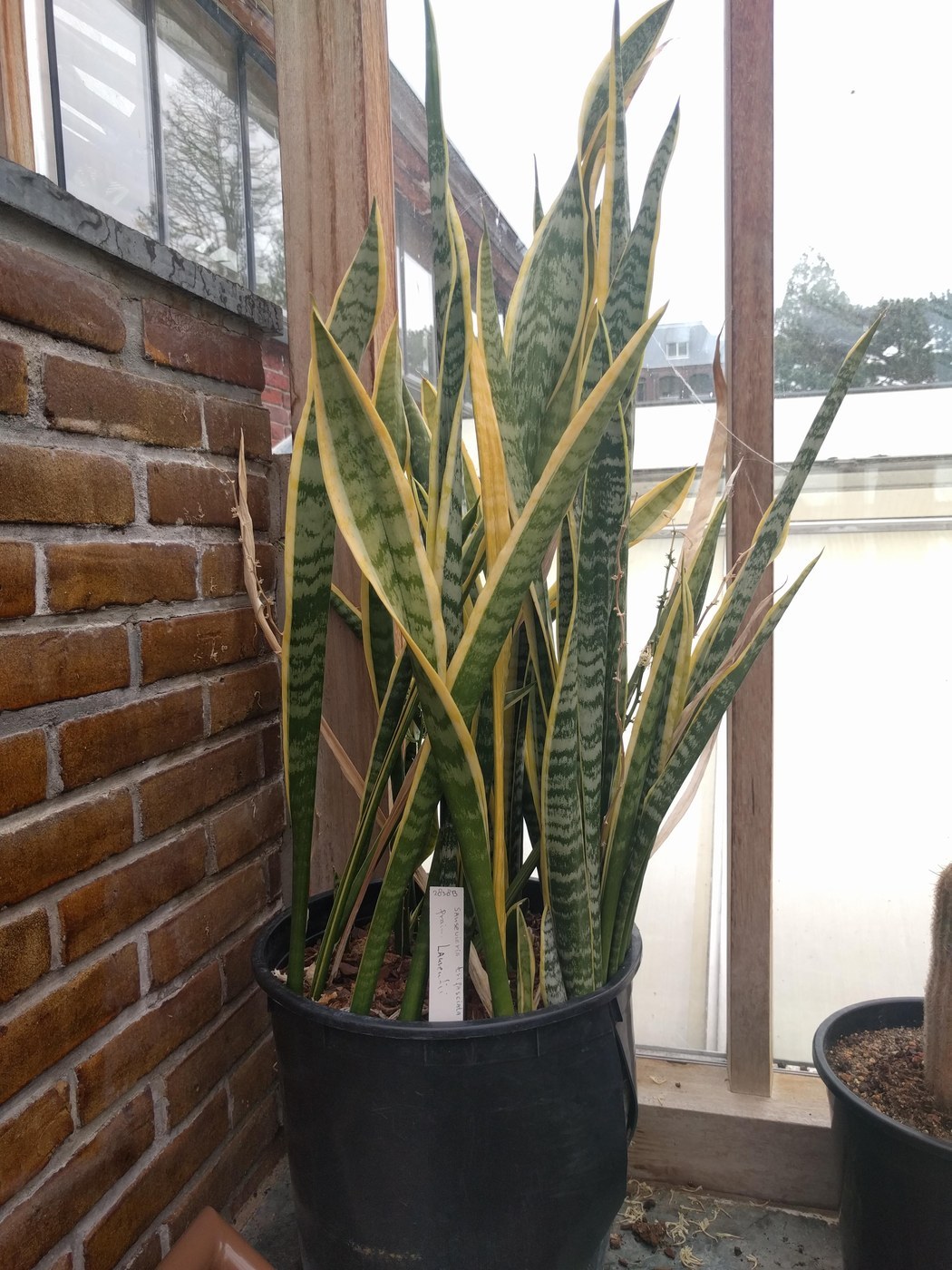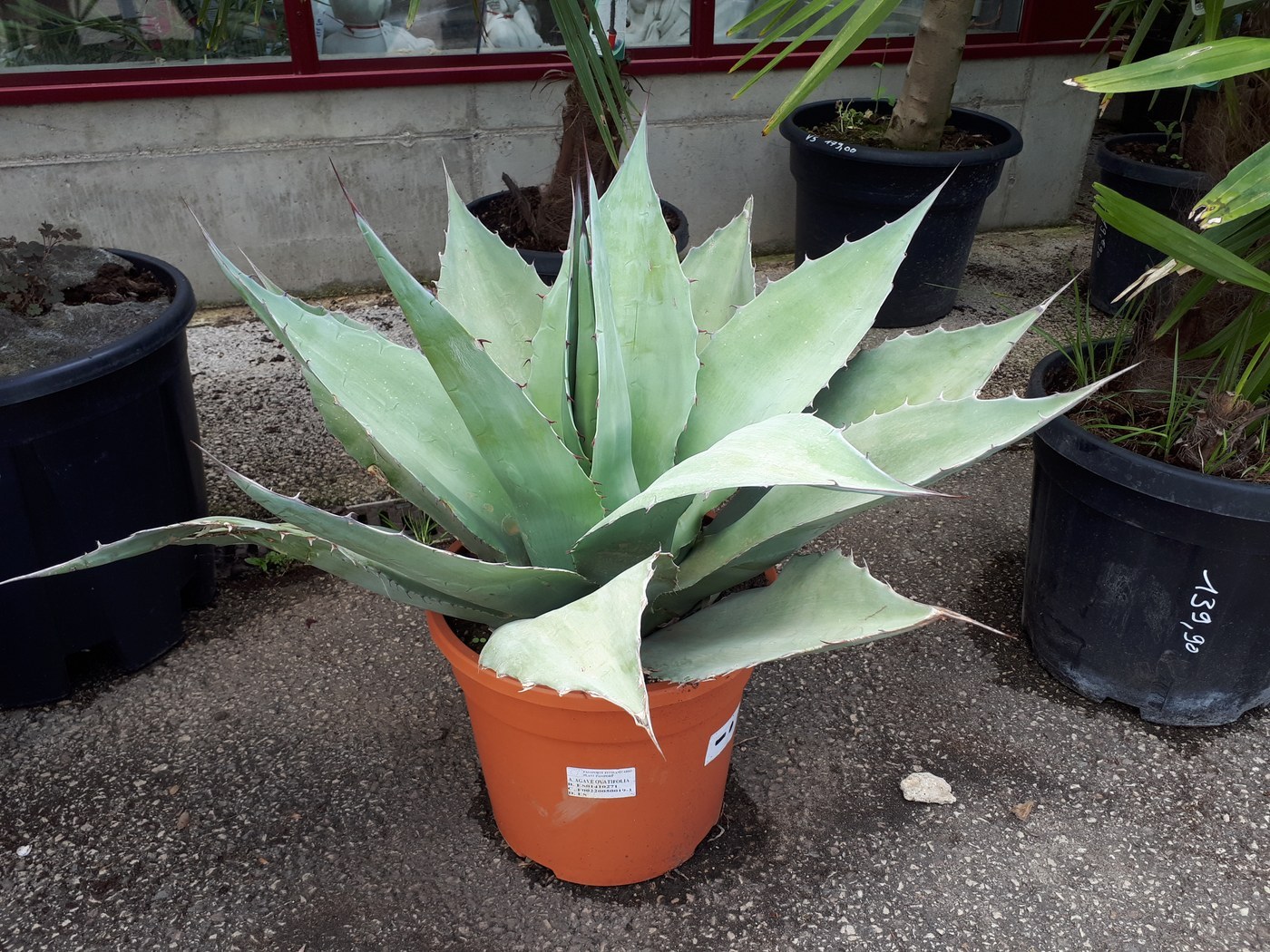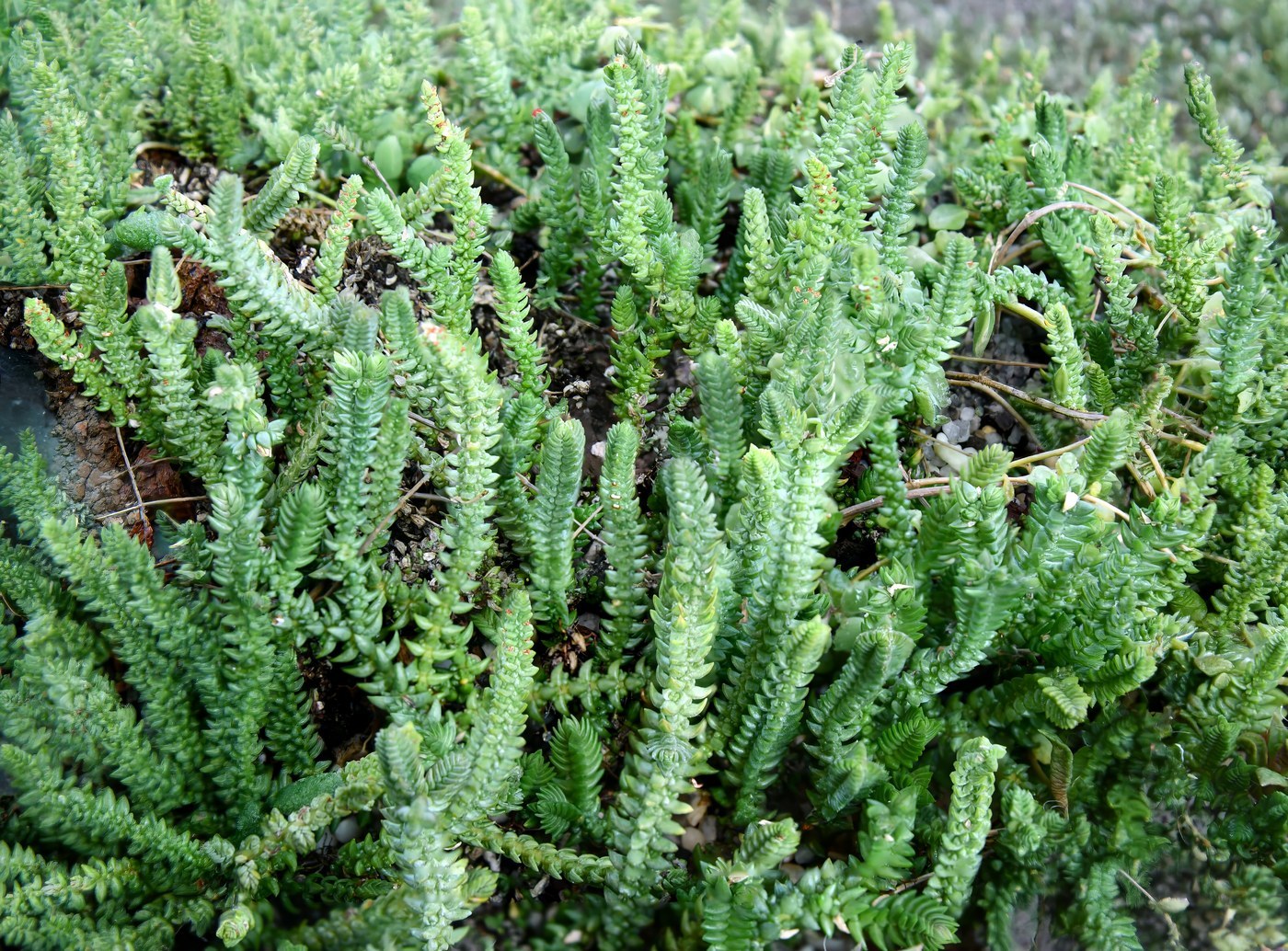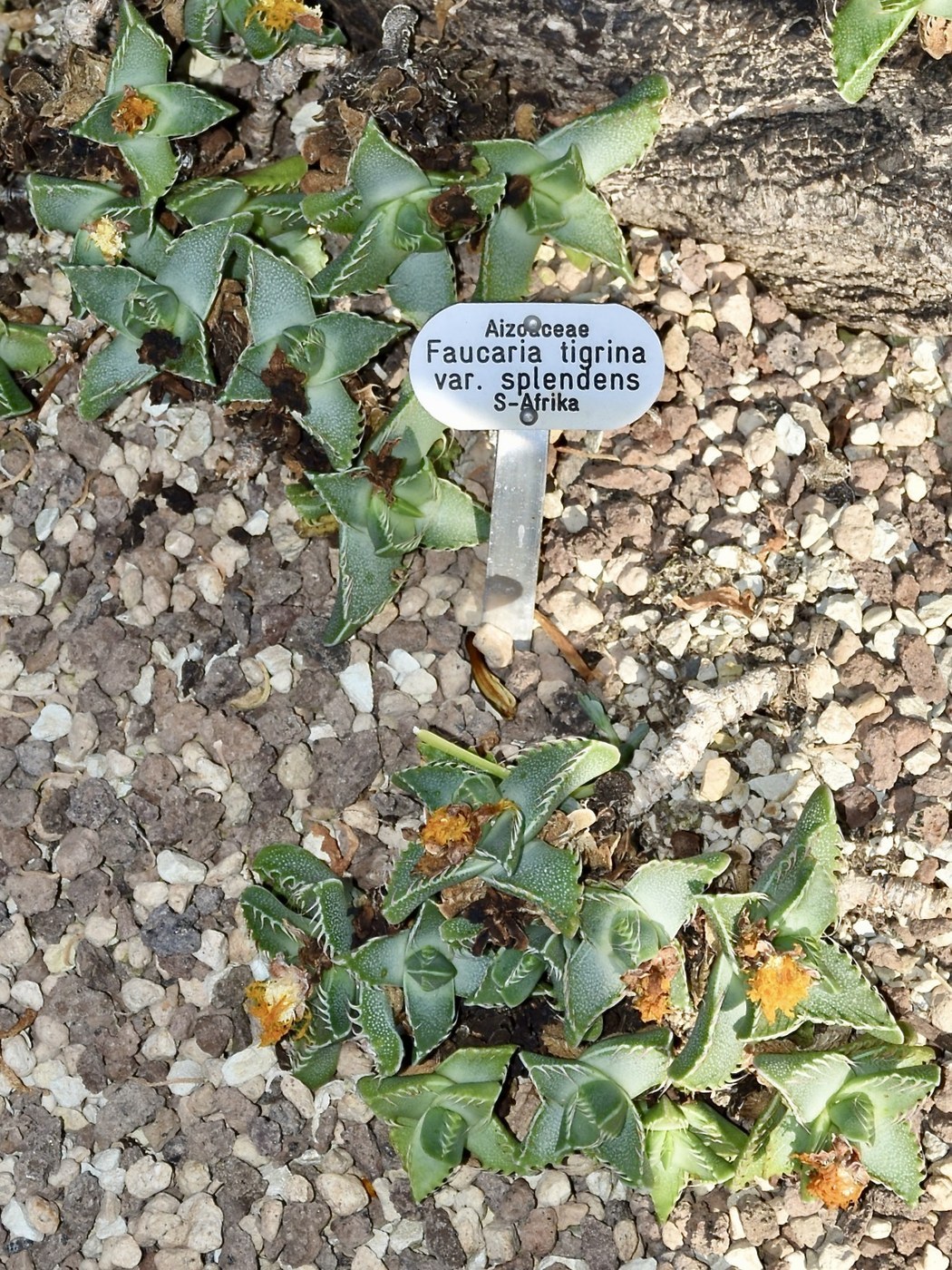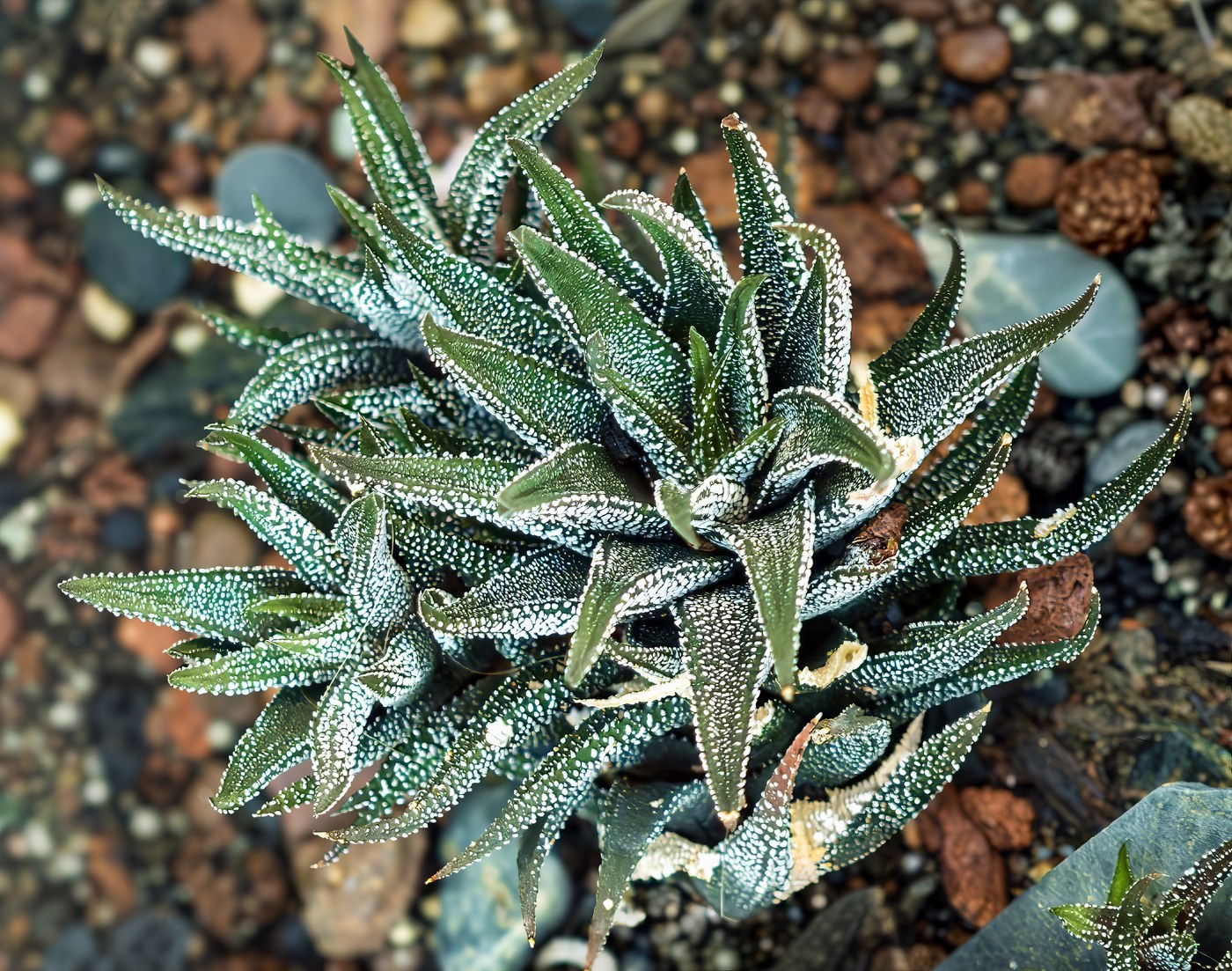
Zebra Cactus
Haworthiopsis attenuata
A small rosette succulent with stiff, dark green leaves banded by raised white stripes, like a zebra. Compact, slow-growing, and beginner-friendly.
- Light
- Bright indirect light
- Water
- Sparingly; let soil dry fully
- Difficulty
- Easy
Got a plant like this?
Identify any plant from a photo, free.
Overview
The Zebra Cactus is a small succulent (not a true cactus) grown for its tidy rosette of pointed, dark green leaves marked with bands of raised white tubercles that resemble zebra stripes. It stays compact, rarely exceeding 5-6 in across.
Slow-growing and undemanding, it tolerates lower light better than many succulents and is well suited to windowsills, desks, and small pots. It readily produces offsets ('pups') that make it easy to propagate and share.
How to identify it
Recognize it by:
- Leaves: stiff, upright, pointed, dark green, arranged in a tight rosette
- Markings: rows of raised white bumps (tubercles) banding the outside of the leaves like zebra stripes
- Size: small, typically 4-6 in tall and wide
- Habit: clumping, producing offsets around the base
- Flowers: thin, tall stalks bearing small tubular white blooms in summer
Note: it is often confused with the similar Haworthiopsis fasciata, which has smoother inner leaf surfaces.
Care & growing
Light: Bright indirect light; tolerates some gentle direct sun and lower light better than most succulents. Excess sun can turn it reddish.
Water: Water thoroughly, then let the soil dry out completely; roughly every 2-3 weeks, much less in winter. Avoid water sitting in the rosette.
Soil: Gritty, fast-draining cactus or succulent mix.
Temperature: 65-80F (18-27C); protect from frost.
Feeding: Light succulent fertilizer once or twice in spring and summer.
Propagation: Easy by removing and potting up the offsets that form at the base.
Habitat & origin
Native to the Eastern Cape province of South Africa, where it grows in rocky, arid terrain, often tucked into crevices and partly shaded by surrounding vegetation.
It is grown worldwide as a popular, compact indoor succulent ideal for small spaces, dish gardens, and windowsills.
Frequently asked questions
Is the Zebra Cactus actually a cactus?
No. Despite the name, it is a Haworthiopsis succulent from South Africa, not a true cactus. The 'cactus' name comes from its spiky look.
How often should I water a Zebra Cactus?
Sparingly. Let the soil dry out completely, then water thoroughly, roughly every 2-3 weeks in summer and far less in winter.
Why is my Zebra Cactus turning red or brown?
Reddish or brown tints usually come from too much direct sun or stress. Move it to bright indirect light if the color change is unwanted.
How do I recognize a Zebra Cactus?
Look for a tight rosette of stiff, pointed dark green leaves banded on the outside with rows of raised white bumps that resemble zebra stripes.
Zebra Cactus guides
In-depth guides for identifying, growing, and caring for Zebra Cactus.
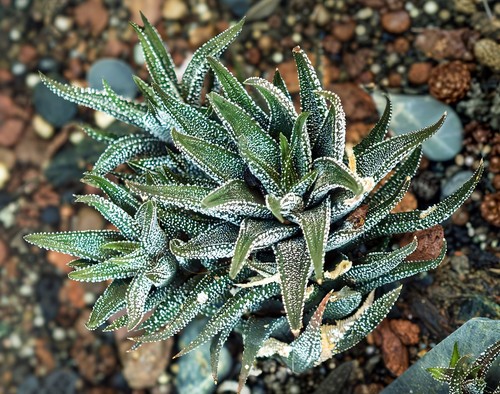
How to Care for Zebra Cactus
Grow Haworthiopsis attenuata, the striking white-banded Zebra Cactus, with easy indoor care, bright indirect light, and lean, fast-draining soil.
Zebra Cactus Identification Guide
Identify Haworthiopsis fasciata by its compact rosette of stiff, dark-green pointed leaves banded with raised white zebra stripes, a succulent often mistaken for aloe.