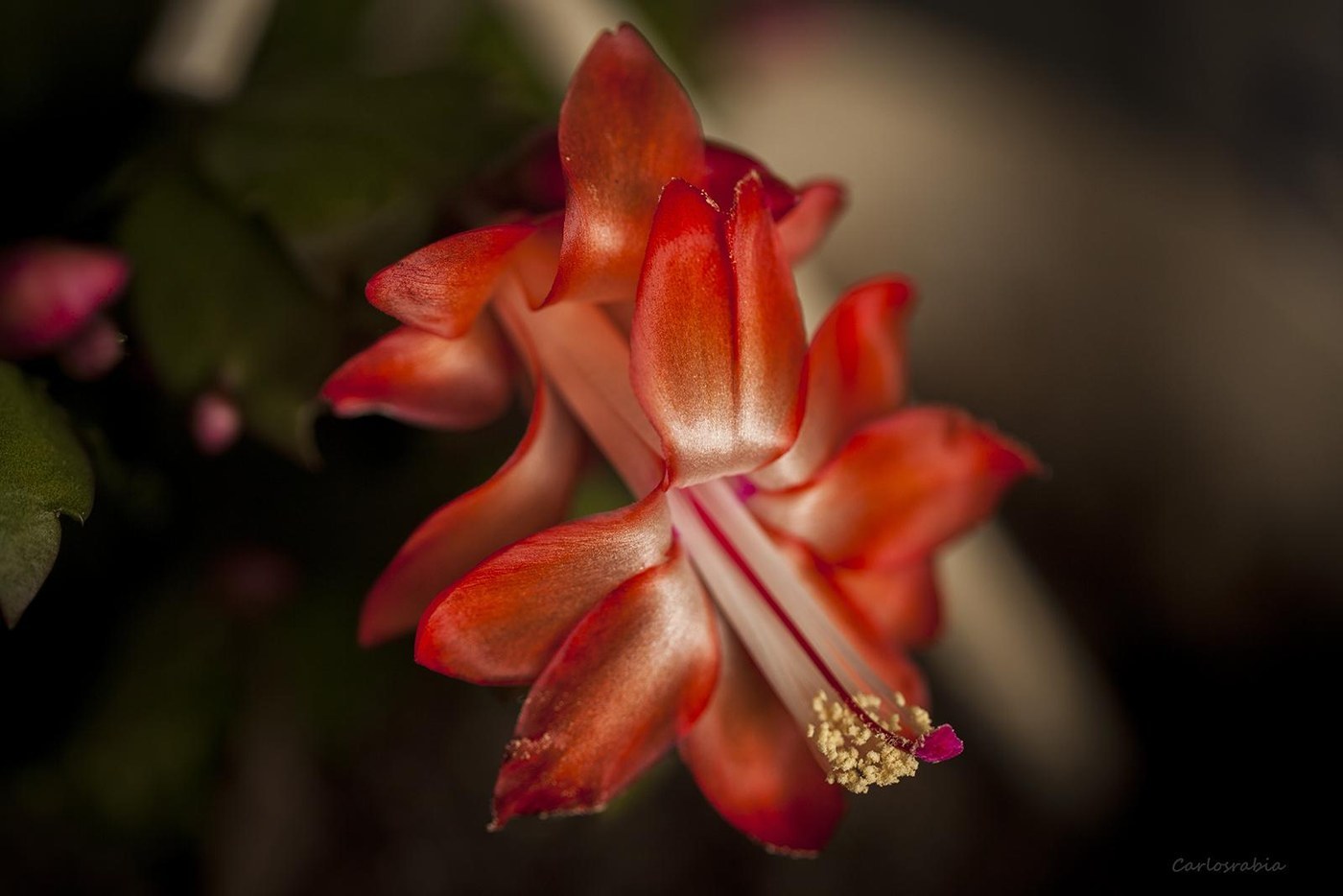
Thanksgiving Cactus
Schlumbergera truncata
The Thanksgiving cactus is a forest cactus that blooms in late autumn with colorful, tubular flowers. It is distinguished from the Christmas cactus by the sharp, claw-like teeth on its flattened stem segments.
- Light
- Bright indirect light
- Water
- Keep lightly moist when growing
- Difficulty
- Easy
Got a plant like this?
Identify any plant from a photo, free.
Overview
The Thanksgiving cactus (Schlumbergera truncata) is a tropical, epiphytic cactus native to Brazilian forests rather than deserts. It blooms around late November in the Northern Hemisphere, slightly earlier than the true Christmas cactus.
Its arching, flattened stems are made of leaf-like segments that cascade beautifully from hanging baskets and pots. The flowers come in shades of pink, red, white, orange, and purple.
Though often sold as 'Christmas cactus,' the two species differ in segment shape and bloom time. Thanksgiving cactus is easy to grow and can live for decades, often passed down through families.
How to identify it
- Flat, segmented green stems that arch and trail
- Segments have pointed, claw-like teeth along the edges (the key trait distinguishing it from Christmas cactus, which has rounded, scalloped edges)
- Tubular, layered flowers held horizontally at the stem tips
- Flowers in pink, red, white, orange, salmon, or purple
- Blooms in late autumn, around Thanksgiving
Care & growing
- Light: Bright, indirect light; avoid harsh midday sun
- Water: Keep soil lightly moist during active growth; let the top dry slightly, never waterlogged
- Soil: Well-draining, slightly organic mix; it is epiphytic, not a desert plant
- Temperature: Comfortable household temperatures; cool nights and shorter days trigger blooming
- Feeding: Feed during spring and summer growth
- Propagation: Very easy; root short segments of two to three joints in moist soil
Habitat & origin
Native to the coastal mountains of southeastern Brazil, where it grows as an epiphyte on tree branches and rocks in shady, humid forest.
In cultivation it is a beloved indoor plant worldwide, especially as a seasonal blooming gift. It thrives as a houseplant and can be moved outdoors to shade in warm months.
Frequently asked questions
How is it different from a Christmas cactus?
Thanksgiving cactus has pointed, claw-like teeth on its stem segments and blooms in late November, while the true Christmas cactus has rounded, scalloped segments and blooms later.
How do I get it to bloom?
It needs cooler temperatures and about 12 to 14 hours of darkness each night for several weeks in autumn to set flower buds.
Why are the buds dropping off?
Bud drop is usually caused by sudden changes in light, temperature, or watering. Keep conditions stable once buds form.
How do I propagate it?
Twist off a short piece of two to three segments, let it callus briefly, then set it in moist mix where it roots easily.
Thanksgiving Cactus guides
In-depth guides for identifying, growing, and caring for Thanksgiving Cactus.
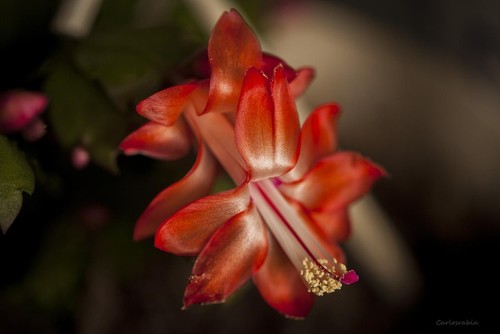
How to Care for Thanksgiving Cactus
Care for Schlumbergera truncata, a jungle cactus with toothed segments and vivid late-fall blooms, using this easy how-to-grow guide.
Thanksgiving Cactus Identification Guide
How to distinguish the Thanksgiving cactus from Christmas cactus by its sharply toothed stem segments and fall bloom time.