
How to Care for Chamomile
Grow chamomile (Matricaria chamomilla) for its dainty white-and-gold daisy flowers. Easy, sun-loving, and quick from seed.
Read the full Chamomile encyclopedia entry →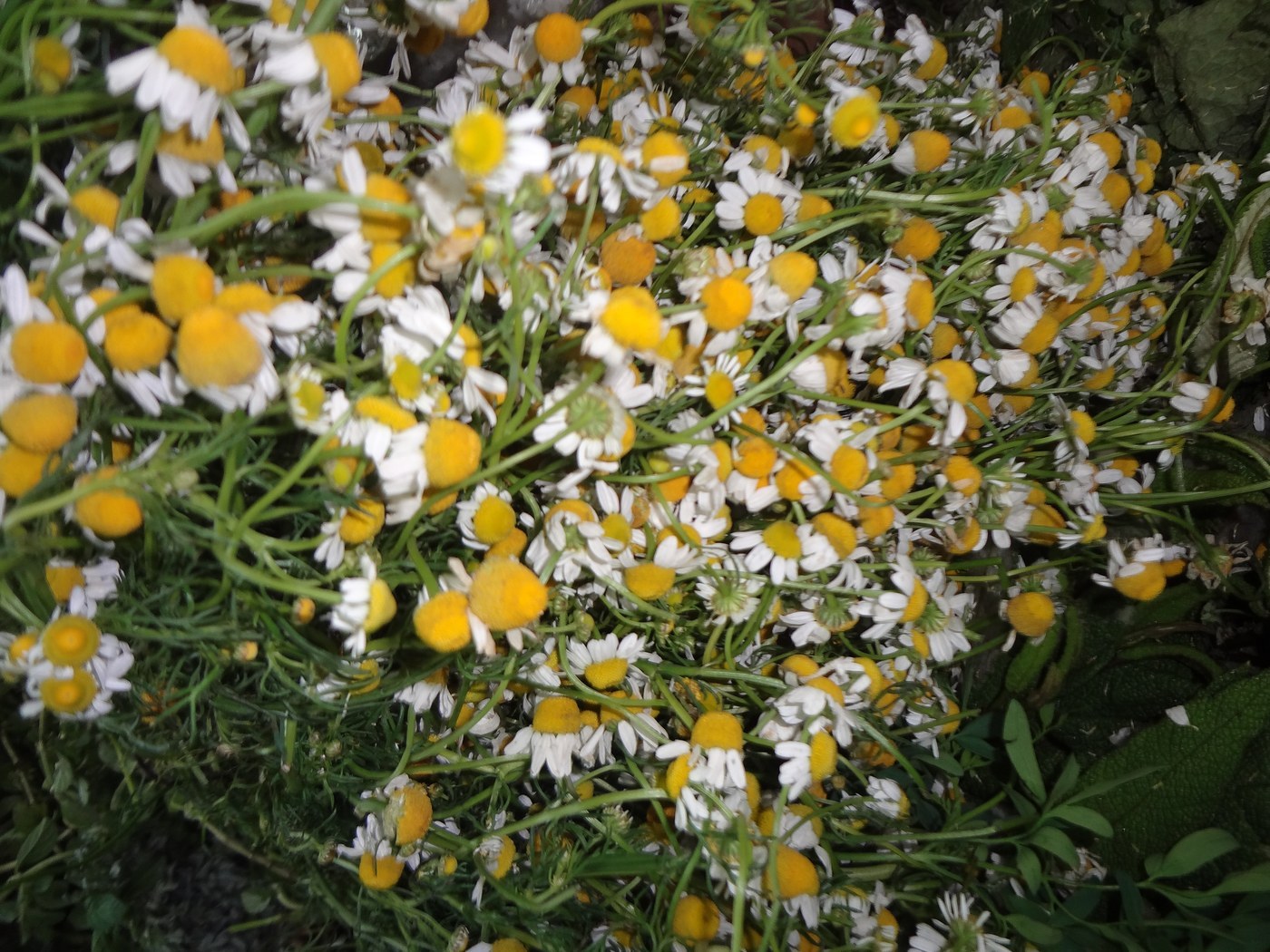
Chamomile is a low, feathery-leaved annual grown for its abundant little daisy flowers with white petals and raised golden centers. It is one of the easiest cottage-garden and ornamental herbs to raise, self-sowing freely and thriving in poor soils.
Light
Chamomile grows best in full sun but tolerates light shade, especially in hot climates where a little afternoon shade prevents scorching. More sun means denser, more compact plants covered in flowers.
Water
Water is moderate, and established plants tolerate some dryness. Keep young seedlings consistently moist, then water established plants only when the top inch of soil dries. Chamomile dislikes waterlogged ground and is quite forgiving of dry spells once rooted.
Soil & Potting
It does well in light, well-drained soil and is unfussy about fertility, actually flowering more freely in lean ground. Sandy or average garden soil with a neutral pH suits it. For containers, use a free-draining potting mix and avoid overly rich blends.
Humidity & Temperature
Chamomile prefers cool to mild temperatures and flowers most heavily in spring and early summer. It handles a range of humidity but appreciates good airflow to prevent fungal issues. Hot, muggy weather shortens the flowering season.
Feeding
Little feeding is required. Overly rich soil and heavy fertilizing produce lush foliage and floppy, sparse-flowering plants. Skip fertilizer or work in only a light amount of compost at planting.
Propagation
Propagate from seed, sown directly or started in trays. Surface-sow the tiny seed and press it in without covering, as light aids germination. Sow in early spring for summer bloom; germination is quick and reliable. Chamomile self-sows generously and often returns on its own.
Repotting / Pruning
Annual chamomile needs no repotting. Deadhead or shear spent flowers to encourage a longer flush of bloom, and pinch young plants once to promote bushiness. Leave some flowers to set seed at season's end if you want self-sown seedlings next year.
Common Problems & Pests
Chamomile is largely trouble-free. Aphids and thrips may visit the flowers; a strong spray of water usually clears them. In damp, crowded conditions powdery mildew or damping-off of seedlings can occur, so provide spacing and good air movement. Overwatering is the most frequent cause of decline.
Seasonal Care Tips
Sow in early spring, thinning seedlings to give each plant room. Keep flowers picked or deadheaded through summer to prolong bloom. As plants fade in the heat, let a few go to seed and self-sow, then clear the spent plants to tidy the bed for the next season.
Frequently asked questions
Should I start chamomile indoors or sow it outside?
Either works. The seed is fine and needs light, so surface-sow and press it in. Direct sowing in spring is simplest, but you can also start seed in trays and transplant carefully.
Does chamomile come back every year?
German chamomile is an annual, but it self-sows so freely that it often reappears each year. Leave a few flower heads to set seed to encourage volunteers.
Why is my chamomile flopping over?
Too much shade or overly rich soil produces weak, leggy growth. Grow it in full sun and lean soil, and pinch young plants once to encourage a bushier, sturdier habit.
How often should I water chamomile?
Keep seedlings moist, then water established plants only when the top inch of soil dries. It tolerates some dryness and dislikes soggy ground.