Chamomile
Matricaria chamomilla
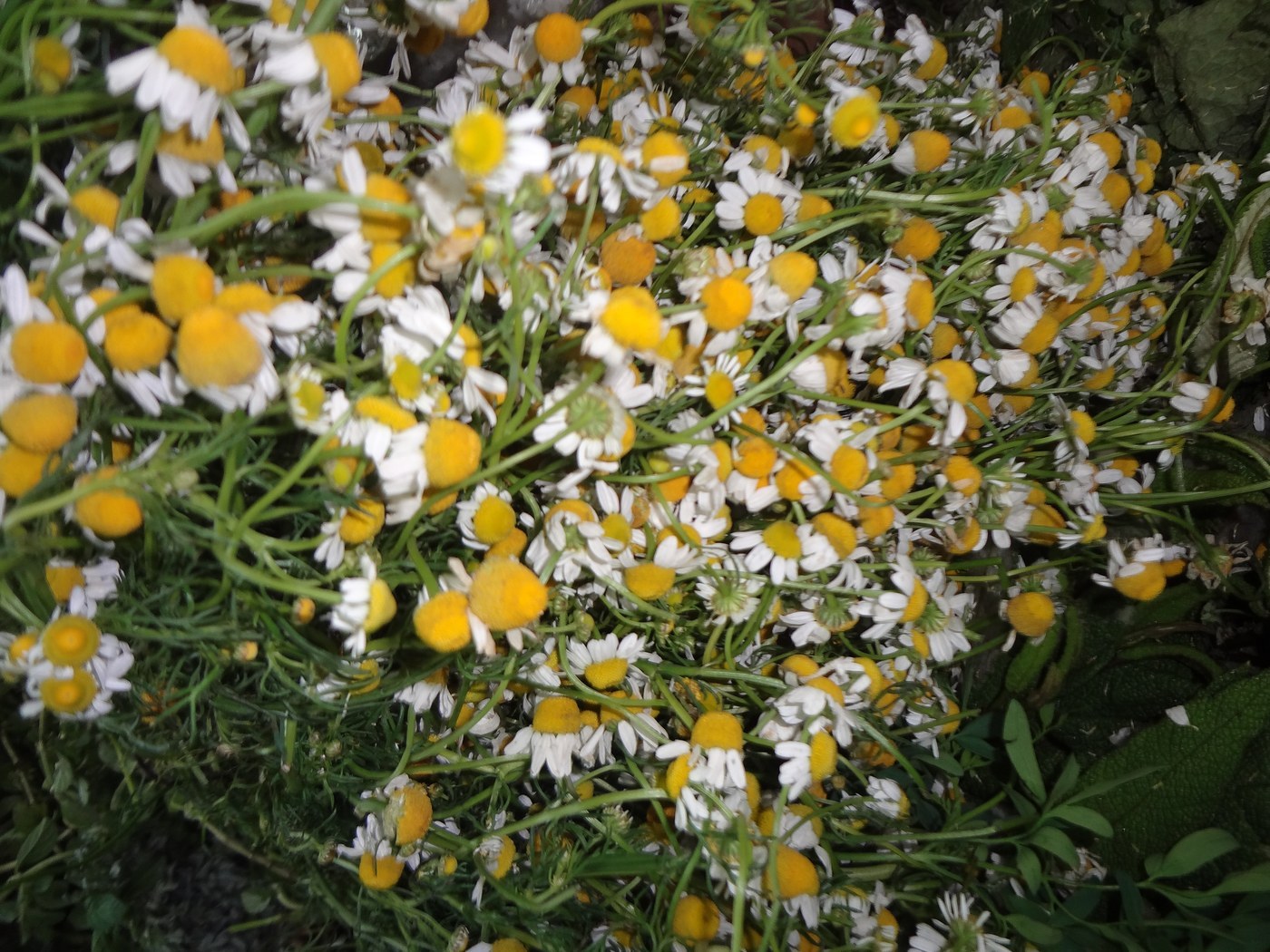
Chamomile is a daisy-like aromatic herb famous for its small, apple-scented white-and-yellow flowers.
- Light
- Full sun to light shade
- Water
- Moderate; tolerates some dryness
- Difficulty
- Easy
Got a plant like this?
Identify any plant from a photo, free.
Overview
Chamomile refers to a couple of closely related daisy-family herbs grown for their small, fragrant white-and-yellow flowers. The most common is German chamomile (Matricaria chamomilla), an annual, while Roman chamomile (Chamaemelum nobile) is a low-growing perennial.
Both are prized for their delicate apple-like scent. German chamomile is taller and self-seeds readily, making it a cheerful, easy garden plant.
Chamomile is also a classic cottage-garden and pollinator plant, attracting bees and beneficial insects.
How to identify it
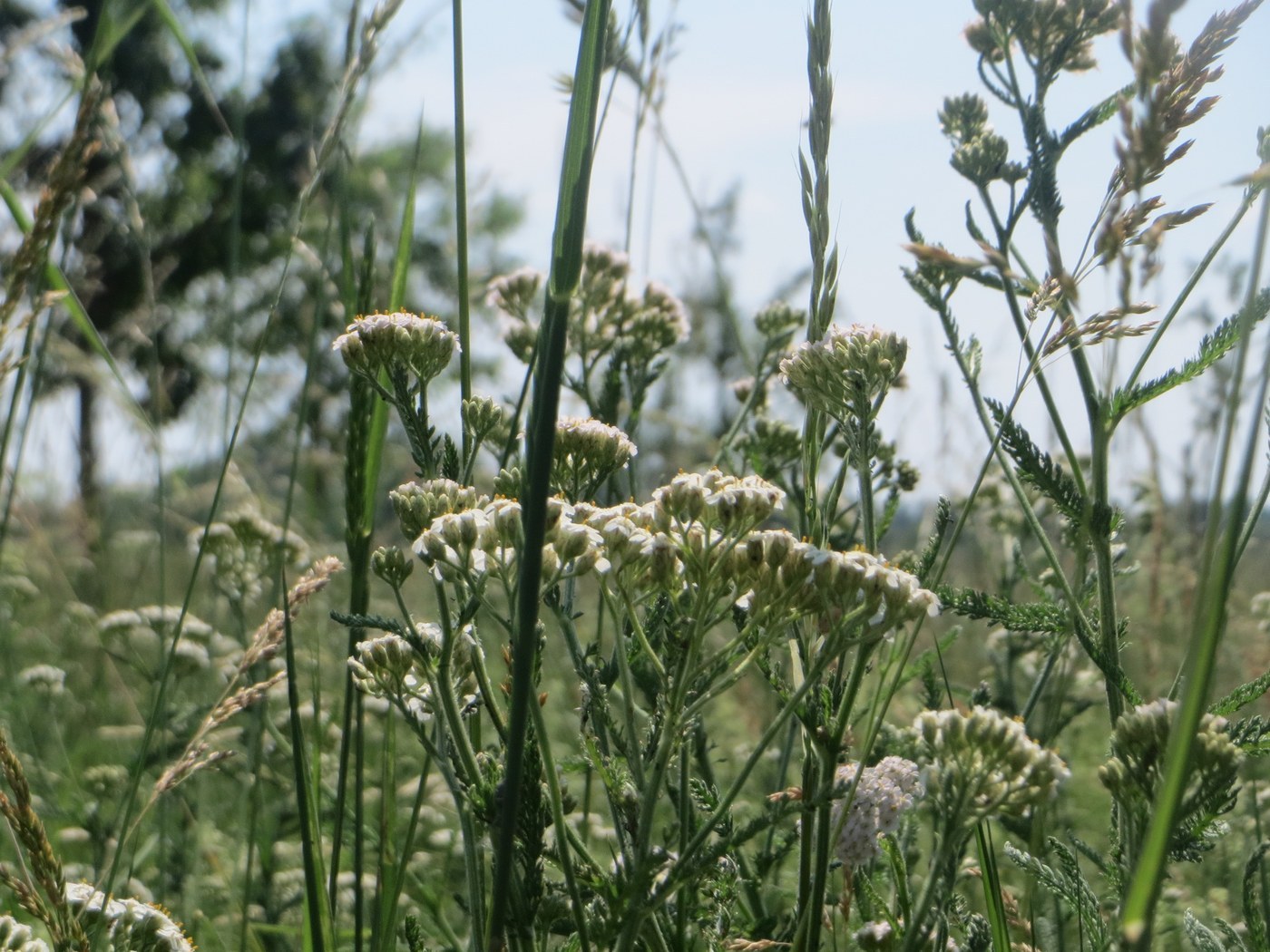
Chamomile is recognized by its dainty daisy flowers and feathery foliage.
- Flowers: Small (about 2 cm) with white petals (ray florets) around a raised, hollow, golden-yellow center; the domed center distinguishes German chamomile
- Leaves: Finely divided, feathery, light green and aromatic when crushed
- Height: German chamomile reaches 20-60 cm; Roman chamomile is a low mat 10-30 cm tall
- Scent: Crushed foliage and flowers smell sweetly of apple
- Habit: Upright and branching (German) or creeping and mat-forming (Roman)
Care & growing
Chamomile is undemanding and thrives in poorer soils.
- Light: Full sun is best; tolerates light shade
- Water: Moderate watering; established plants are fairly drought tolerant
- Soil: Light, well-drained soil; tolerates poor and sandy ground
- Temperature: Cool-tolerant; German chamomile is a hardy annual that self-sows
- Feeding: Little needed; excess fertilizer reduces flowering
- Propagation: German chamomile from seed sown on the surface (it needs light to germinate); Roman chamomile by seed or division. Deadhead spent flowers to prolong blooming.
Habitat & origin
German chamomile is native to Europe and western Asia and has naturalized widely in temperate regions, including North America, often in fields, roadsides and disturbed ground. Roman chamomile is native to western Europe.
Both are grown in herb gardens and cottage gardens. Roman chamomile is also planted as a fragrant, low lawn or pathway groundcover.
Frequently asked questions
What is the difference between German and Roman chamomile?
German chamomile is a taller annual with a hollow, domed flower center, while Roman chamomile is a low, mat-forming perennial. Both have the same daisy-like flowers and apple scent.
Is chamomile easy to grow?
Yes. It thrives in full sun and even poor soil, needs little feeding, and German chamomile self-seeds freely once established.
How do I recognize chamomile?
Look for small daisy-like flowers with white petals around a raised golden-yellow center, and finely divided, feathery light-green foliage that smells of apple when crushed.
Where does chamomile grow?
German chamomile is native to Europe and western Asia and has naturalized widely in temperate regions, often in fields, roadsides, and disturbed ground; Roman chamomile is native to western Europe.
Chamomile guides
In-depth guides for identifying, growing, and caring for Chamomile.
How to Care for Chamomile
Grow chamomile (Matricaria chamomilla) for its dainty white-and-gold daisy flowers. Easy, sun-loving, and quick from seed.
Chamomile Identification Guide
Identify chamomile by its small white daisy flowers with a hollow domed yellow center, finely feathery leaves, and sweet apple scent. Covers German vs Roman chamomile and how to tell it from look-alike mayweeds.