
How to Care for Cherry Blossom Tree
Grow ornamental cherry blossoms with full sun, well-drained soil, and light annual care for spectacular spring flowering.
Read the full Cherry Blossom Tree encyclopedia entry →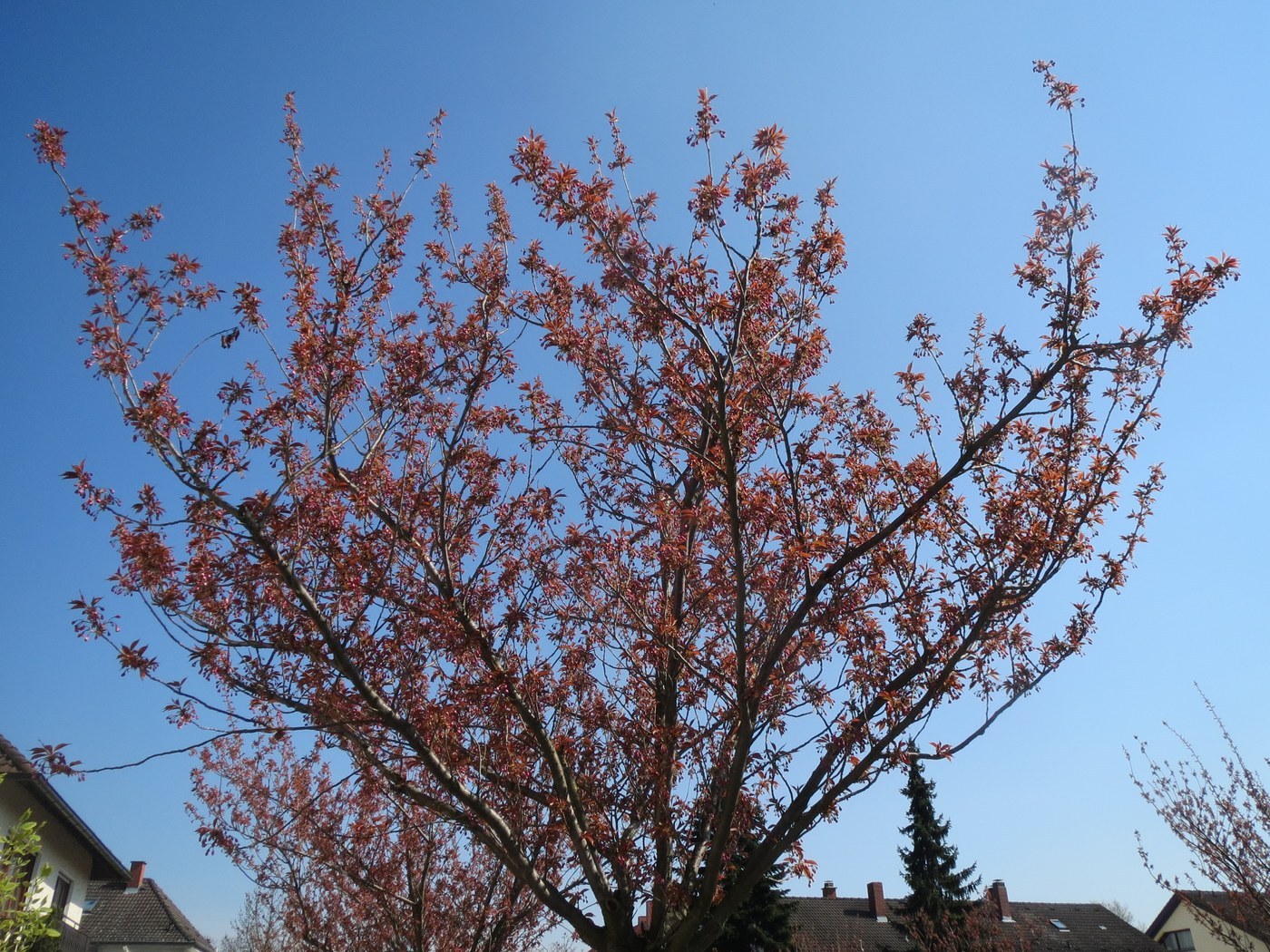
The Japanese flowering cherry (Prunus serrulata) is a deciduous ornamental tree celebrated for its breathtaking spring display of pink or white blossoms. With full sun and well-drained soil it becomes a stunning specimen tree, though it appreciates thoughtful pruning and pest attention to stay healthy and long-lived.
Light
Plant in full sun for the best flowering. Cherry blossom trees need at least six hours of direct sun daily to set abundant buds and develop strong, well-shaped canopies. Too much shade reduces bloom, encourages weak growth, and increases susceptibility to fungal problems on the leaves. Choose an open site with good air circulation.
Water
Provide moderate, regular water, especially while the tree is young and establishing. Deep, infrequent soakings that moisten the whole root zone are far better than frequent shallow sprinkling. Once established, these trees tolerate normal rainfall in most temperate climates but benefit from supplemental watering during extended dry spells. The soil must drain freely; cherries dislike soggy, waterlogged roots.
Soil & Potting
Grow in fertile, well-drained loam. Cherry blossom trees adapt to a range of soils but perform poorly in heavy, compacted, or persistently wet ground. Slightly acidic to neutral pH is ideal. Improve heavy clay with organic matter before planting, and set the tree so the root flare sits at or slightly above the surrounding grade. A generous mulch ring conserves moisture and moderates soil temperature; keep mulch a few inches away from the trunk.
Humidity & Temperature
These are temperate trees that need a period of winter cold to bloom well and are typically hardy in USDA zones 5 through 8. They tolerate a wide humidity range but do best where spring weather is relatively mild; late frosts can damage open blossoms. Site the tree away from frost pockets, and provide shelter from harsh, drying winds that can shorten the bloom display.
Feeding
Feed lightly. A balanced, slow-release tree fertilizer applied in early spring supports healthy growth and flowering. Avoid heavy nitrogen, which pushes soft, leafy growth at the expense of blooms and makes the tree more prone to disease. A layer of compost or organic mulch renewed each year often supplies enough nutrition for established trees.
Propagation
Named ornamental cherries are usually propagated by grafting or budding onto rootstock to preserve their flower characteristics, so they are most reliably increased by professional propagation. Softwood or semi-hardwood cuttings can be attempted in early summer with rooting hormone under humid conditions, though success varies. Seed-grown trees rarely come true to the parent.
Repotting / Pruning
Prune sparingly and at the right time. Cherries are sensitive to disease entering through cuts, so prune in summer after flowering rather than in wet winter weather, and only to remove dead, damaged, crossing, or crowded branches. Make clean cuts just outside the branch collar. Avoid heavy or hard pruning, which stresses the tree and invites problems. Young trees benefit from light structural shaping to establish a strong framework.
Common Problems & Pests
Watch for aphids, which cluster on new growth and secrete sticky honeydew, as well as scale insects and caterpillars. Fungal and bacterial issues are common: brown rot, leaf spot, powdery mildew, and cankers can all affect flowering cherries, especially in wet seasons or with poor air flow. Silver leaf and bacterial canker enter through wounds, which is why timing and cleanliness of pruning matter. Rake up and remove fallen leaves and mummified fruit to reduce disease carryover, and ensure good drainage and spacing.
Seasonal Care Tips
In early spring, enjoy the bloom and apply a light feeding as growth begins; protect open flowers from late frost where possible. In summer, do any needed pruning after flowering and water during dry spells. In autumn, clean up fallen leaves to limit overwintering disease and enjoy the foliage color. In winter, the dormant tree is generally low-maintenance; avoid pruning in cold, wet conditions.
Frequently asked questions
Why isn't my cherry blossom tree flowering well?
The most common causes are too little sun, excess nitrogen fertilizer that favors leaves over flowers, or heavy pruning that removed flower buds. Give the tree at least six hours of direct sun, feed lightly, and prune only minimally after bloom.
When should I prune a flowering cherry?
Prune in summer after flowering, not in wet winter weather. Cherries are vulnerable to diseases like silver leaf and bacterial canker that enter through cuts, so prune during dry conditions and remove only dead, damaged, or crossing branches.
How much water does a cherry blossom tree need?
Water regularly and deeply while young to establish the roots, then supplement during dry spells once established. The soil must drain freely, as cherries dislike soggy, waterlogged conditions.
What climate do flowering cherries need?
They are temperate trees hardy roughly in USDA zones 5 through 8 and need winter cold to bloom well. Late spring frosts can damage open blossoms, so plant away from frost pockets and drying winds.