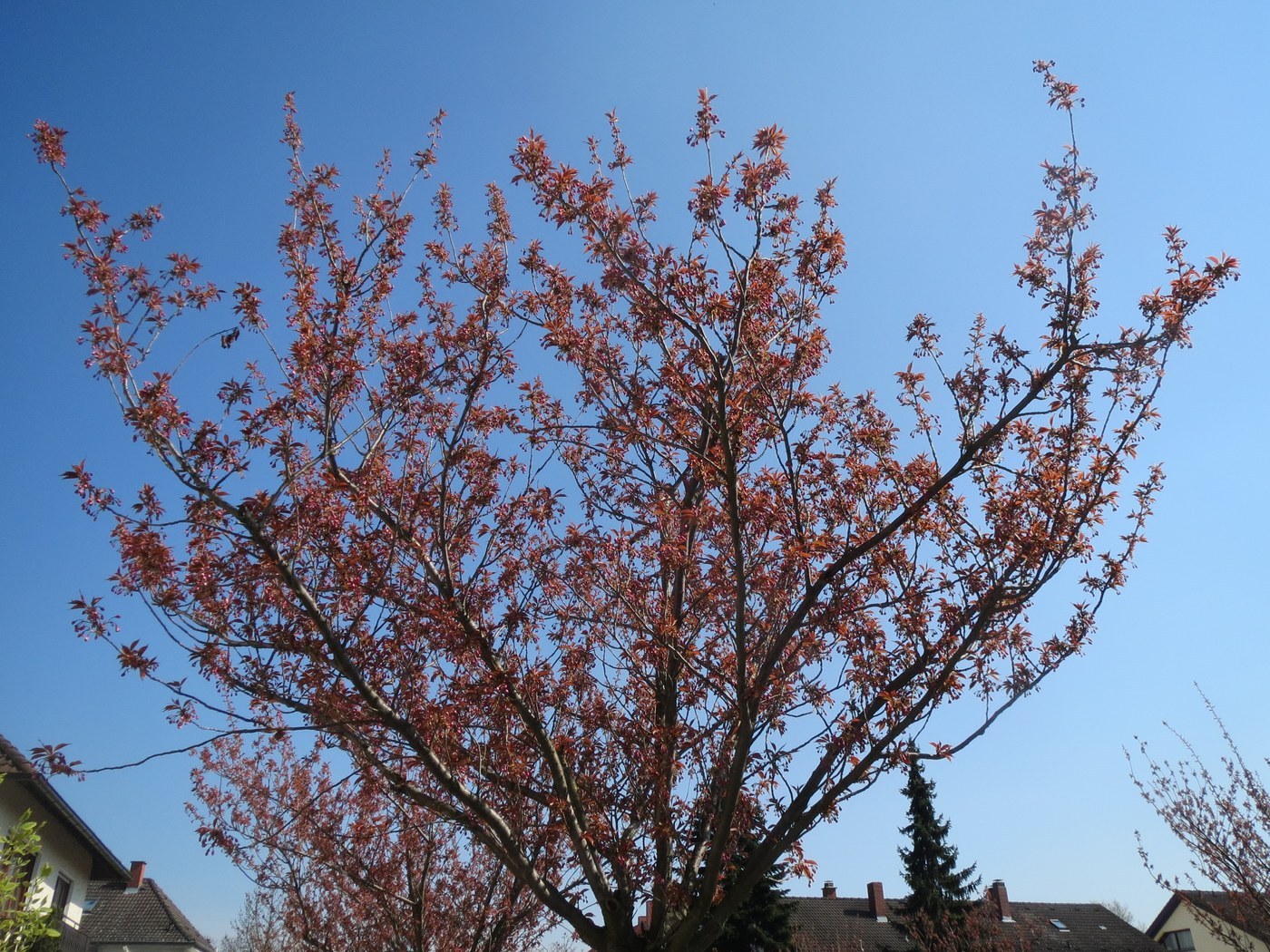
Cherry Blossom Tree
Prunus serrulata
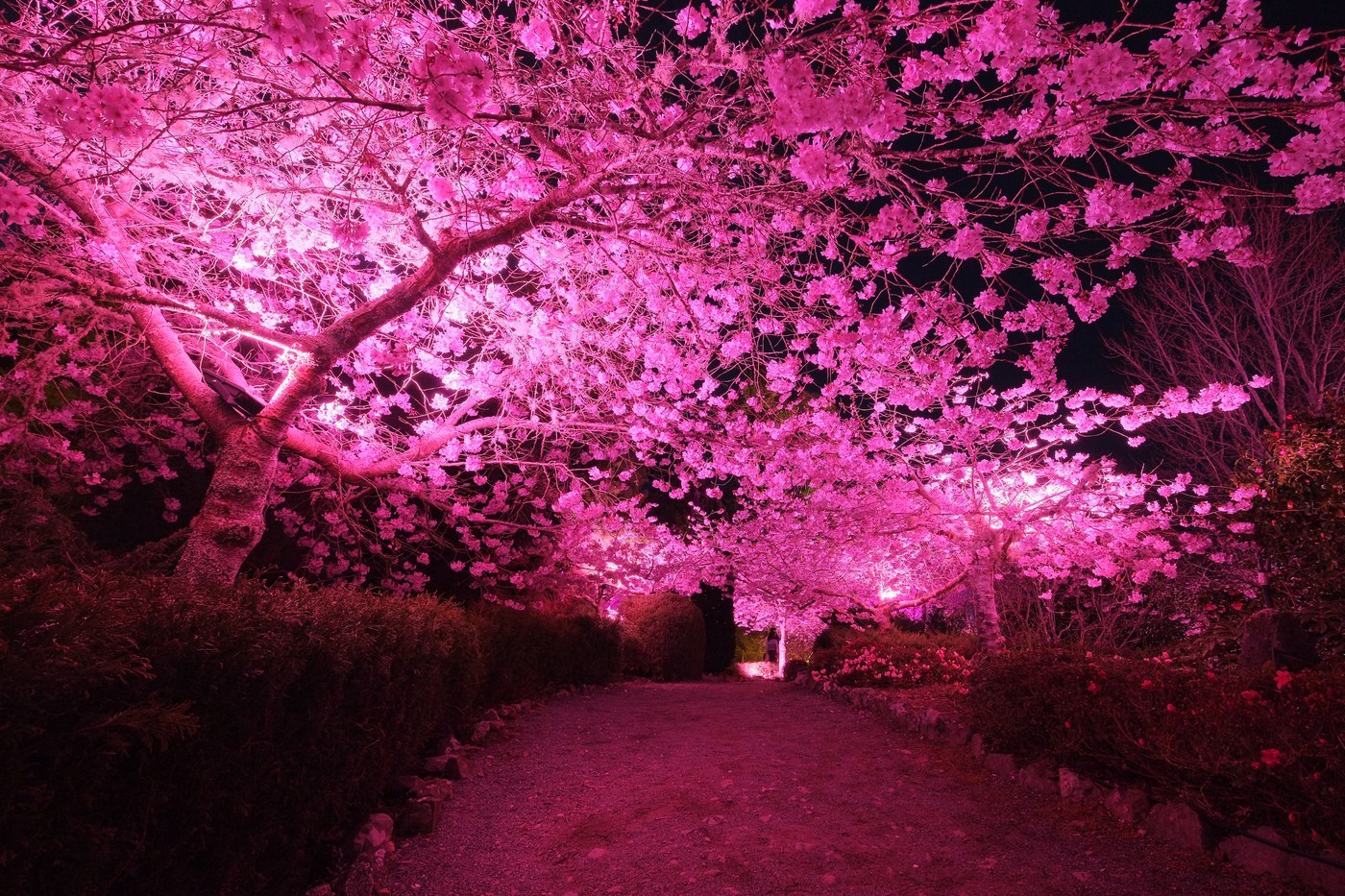
Cherry blossom trees are ornamental flowering cherries famed for their spectacular spring bloom of pink or white blossoms. Central to Japanese hanami tradition, they are short-lived but beloved worldwide.
- Light
- Full sun
- Water
- Moderate; regular water, well-drained
- Difficulty
- Moderate
Got a plant like this?
Identify any plant from a photo, free.
Overview
The cherry blossom tree, or sakura, refers to several ornamental flowering cherries — most notably Japanese cherry (Prunus serrulata) and the popular Yoshino cherry (Prunus × yedoensis) — grown for their breathtaking spring flowers rather than fruit.
For a brief period each spring, the bare or barely-leafed branches erupt in clouds of pink or white blossoms, a display celebrated in Japan's centuries-old hanami (flower-viewing) tradition.
Though relatively short-lived and somewhat high-maintenance, flowering cherries are among the world's most beloved ornamental trees, famously planted around Washington, D.C.'s Tidal Basin.
How to identify it
- Flowers: Showy clusters of single or double blossoms in white to deep pink, blooming in early-to-mid spring, often before or with the leaves.
- Leaves: Alternate, oval with finely serrated (saw-toothed) edges, often bronze when young, turning green then yellow-orange to red in fall.
- Bark: Smooth, glossy reddish-brown to gray, marked with prominent horizontal lenticels (corky lines).
- Habit: Often vase-shaped or spreading; some cultivars are weeping or columnar.
- Size: Commonly 15–40 ft tall depending on cultivar.
Care & growing
Flowering cherries need full sun for best bloom and well-drained soil.
- Water: Keep evenly moist, especially when young; avoid waterlogged soil, which encourages root rot.
- Soil: Fertile, slightly acidic, well-drained loam is ideal.
- Temperature: Most are hardy in USDA zones 5–8.
- Feeding: A light spring feeding of balanced fertilizer supports bloom and growth.
- Propagation: Cultivars are propagated by grafting or budding onto rootstock; they do not come true from seed.
- Note: Prune lightly after flowering; cherries are prone to pests and diseases and are relatively short-lived (often 20–40 years).
Habitat & origin
Ornamental flowering cherries originate from Japan, China, and Korea, where wild and cultivated cherries have been bred for ornament for over a thousand years.
They are now planted throughout temperate regions worldwide as street, park, and garden specimens. Famous plantings include the Tidal Basin in Washington, D.C., and parks across Japan where hanami festivals draw millions.
Frequently asked questions
How long do the blossoms last?
The peak bloom is famously brief, typically lasting only about one to two weeks depending on weather.
How do I recognize a cherry blossom tree?
Look for smooth, glossy reddish-brown bark with horizontal lenticels and showy clusters of single or double white-to-pink blossoms in early spring, often before the leaves.
How long do flowering cherry trees live?
They are relatively short-lived ornamentals, often surviving only 20 to 40 years, though some varieties and well-cared-for trees live longer.
Why is my cherry tree not blooming well?
Insufficient winter chill, too much shade, or heavy pruning can all reduce flowering.
Cherry Blossom Tree guides
In-depth guides for identifying, growing, and caring for Cherry Blossom Tree.
How to Care for Cherry Blossom Tree
Grow ornamental cherry blossoms with full sun, well-drained soil, and light annual care for spectacular spring flowering.
Cherry Blossom Tree Identification Guide
How to identify ornamental flowering cherry trees (Prunus, e.g. Yoshino and Kwanzan) by their early pink-white blossoms, horizontal lenticel-banded bark, and toothed leaves.