
How to Care for Cherry Tree
Grow a healthy sweet cherry tree with full sun, deep watering, well-drained soil, and annual dry-season pruning.
Read the full Cherry Tree encyclopedia entry →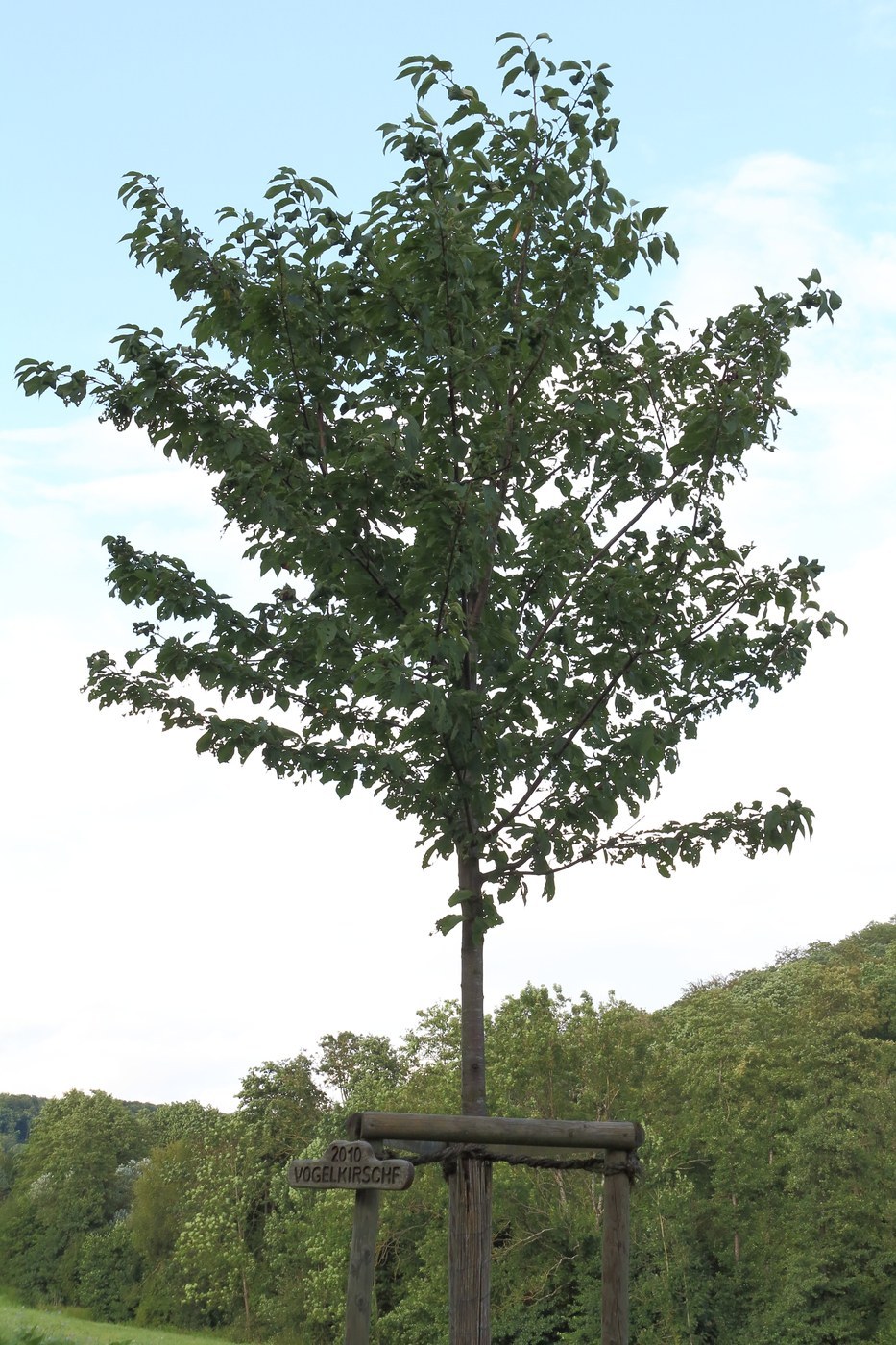
The sweet cherry (Prunus avium) is a deciduous flowering tree prized for its cloud of white spring blossom and glossy bark. It is a moderate-difficulty tree that rewards steady watering, an open sunny site, and thoughtful pruning.
Light
Give a cherry tree full sun, at least six to eight hours of direct light daily. Abundant light drives the strong flowering display and keeps growth compact and well-branched. In shade the canopy grows thin, leggy, and sparse in bloom, so choose the brightest open position you have.
Water
Water deeply and regularly, especially in the first few years while the root system establishes. Soak the root zone thoroughly, then let the upper soil begin to dry before the next deep watering rather than keeping it constantly wet. Mature trees are more self-reliant but still benefit from deep soakings during prolonged dry spells and while the tree is flowering and setting.
Soil & Potting
Cherry trees demand free-draining, deep loam. They resent waterlogged, heavy clay, which invites root problems, so improve dense soils with grit and organic matter and consider planting on a slight mound. A near-neutral to slightly acidic soil suits them best. If growing a dwarf rootstock in a large container, use a loam-based mix with added grit and ensure ample drainage holes.
Humidity & Temperature
This is a temperate tree that needs a genuine cold winter dormancy to flower well the following spring. It tolerates frost while dormant but the open blossom is vulnerable to late-spring freezes, so avoid frost-pocket sites. Good air movement around the canopy helps keep foliage dry and healthy.
Feeding
Feed in early spring as growth resumes with a balanced fertilizer or a top-dressing of well-rotted compost around the root zone. Avoid heavy nitrogen feeding, which pushes soft leafy growth at the expense of flowering and makes the tree more prone to problems. A light annual mulch supplies steady, gentle nutrition.
Propagation
Named cherry varieties are propagated by grafting or budding onto selected rootstocks, which controls final size and vigor. Growing from seed is possible but seedlings are slow and will not come true to the parent. For home growers, buying a grafted young tree from a nursery is the practical route.
Repotting / Pruning
Prune cherries in dry summer weather rather than winter to reduce the risk of disease entering the cuts. Remove dead, damaged, crossing, and crowded branches to build an open, airy framework that lets light and air into the center. Keep pruning light and formative on young trees, and avoid large cuts on old wood.
Common Problems & Pests
Watch for aphids clustering on new shoot tips, which distort young leaves and secrete sticky honeydew, and for brown rot that spoils blossom and developing fruit in wet seasons. Bacterial canker can cause sunken, oozing patches on the bark and branch dieback. Good drainage, summer pruning, and prompt removal of affected wood are the main defenses. Birds are very fond of the ripening fruit and netting is often needed to protect a crop.
Seasonal Care Tips
In late winter check ties and stakes and finalize any structural pruning plan. Spring brings blossom and the main growth flush, so keep watering steady and protect open flowers from late frost if possible. Prune and thin in summer during dry weather. In autumn clear fallen leaves and any mummified fruit from beneath the tree to reduce overwintering disease, and mulch the root zone before winter.
Frequently asked questions
Why isn't my cherry tree flowering?
The most common reasons are too much shade, excess nitrogen feeding that favors leaves over flowers, a young tree that has not yet matured, or a mild winter that failed to provide enough cold dormancy. Give it full sun and ease off high-nitrogen feed.
When should I prune a cherry tree?
Prune in dry summer weather rather than in winter. Cherries are prone to bacterial and fungal infections that enter pruning wounds during cool, damp conditions, and dry-season cuts heal faster and stay cleaner.
How much water does a cherry tree need?
Water deeply and regularly while young, soaking the whole root zone and letting the surface dry between waterings. Established trees need deep soakings mainly during dry spells and while flowering and setting fruit.
Can I grow a cherry tree in a container?
Yes, if you choose a dwarfing rootstock. Use a large pot with a loam-based, grit-amended mix and excellent drainage, keep it in full sun, and water more attentively since containers dry out faster than open ground.