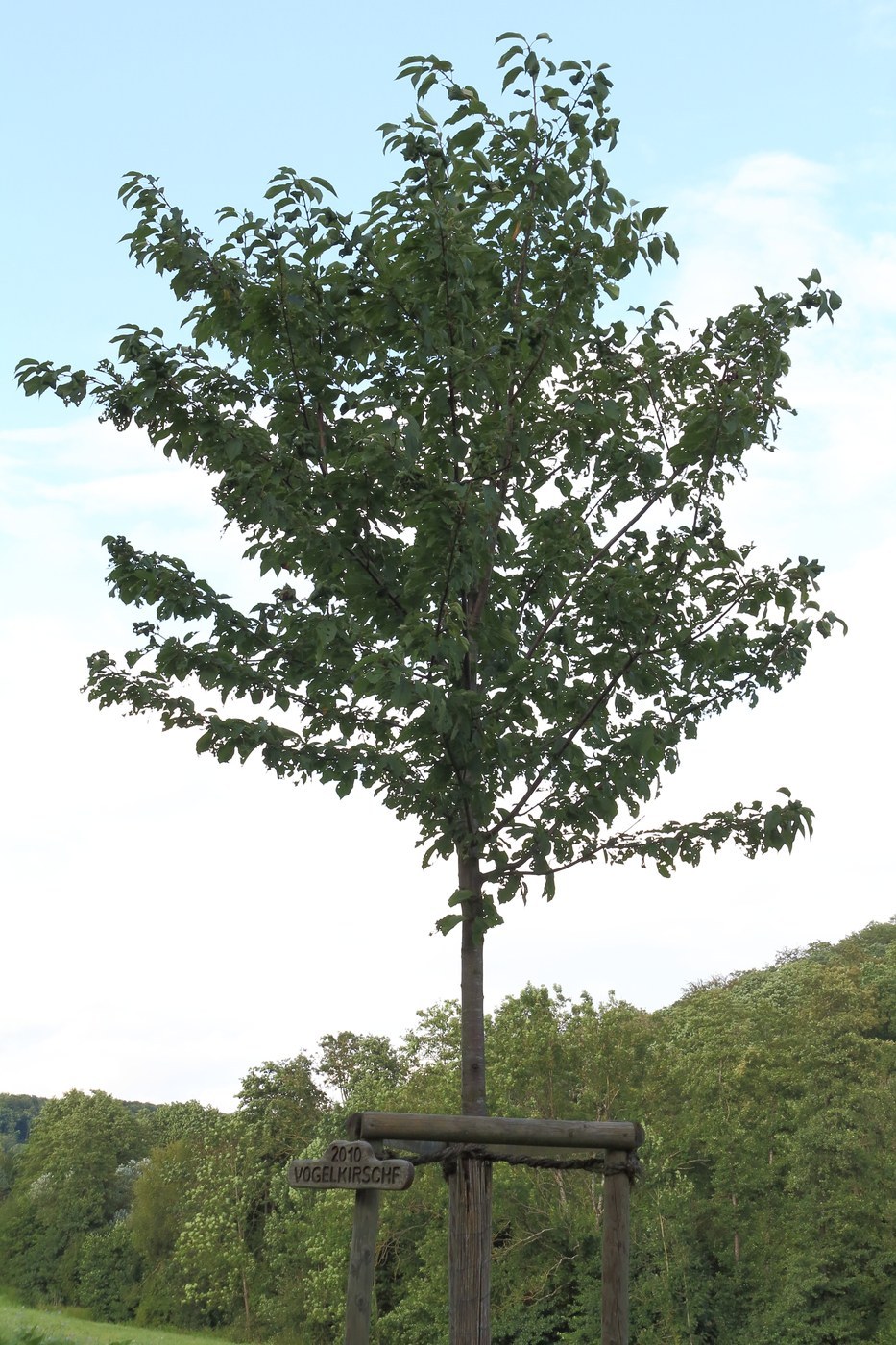
Cherry Tree
Prunus avium
The cherry tree is a deciduous fruiting and ornamental tree grown for its fruit and showy spring blossoms. Sweet cherries (Prunus avium) and sour cherries (Prunus cerasus) are the two main types.
- Light
- Full sun
- Water
- Regular deep watering
- Difficulty
- Moderate
Got a plant like this?
Identify any plant from a photo, free.
Overview
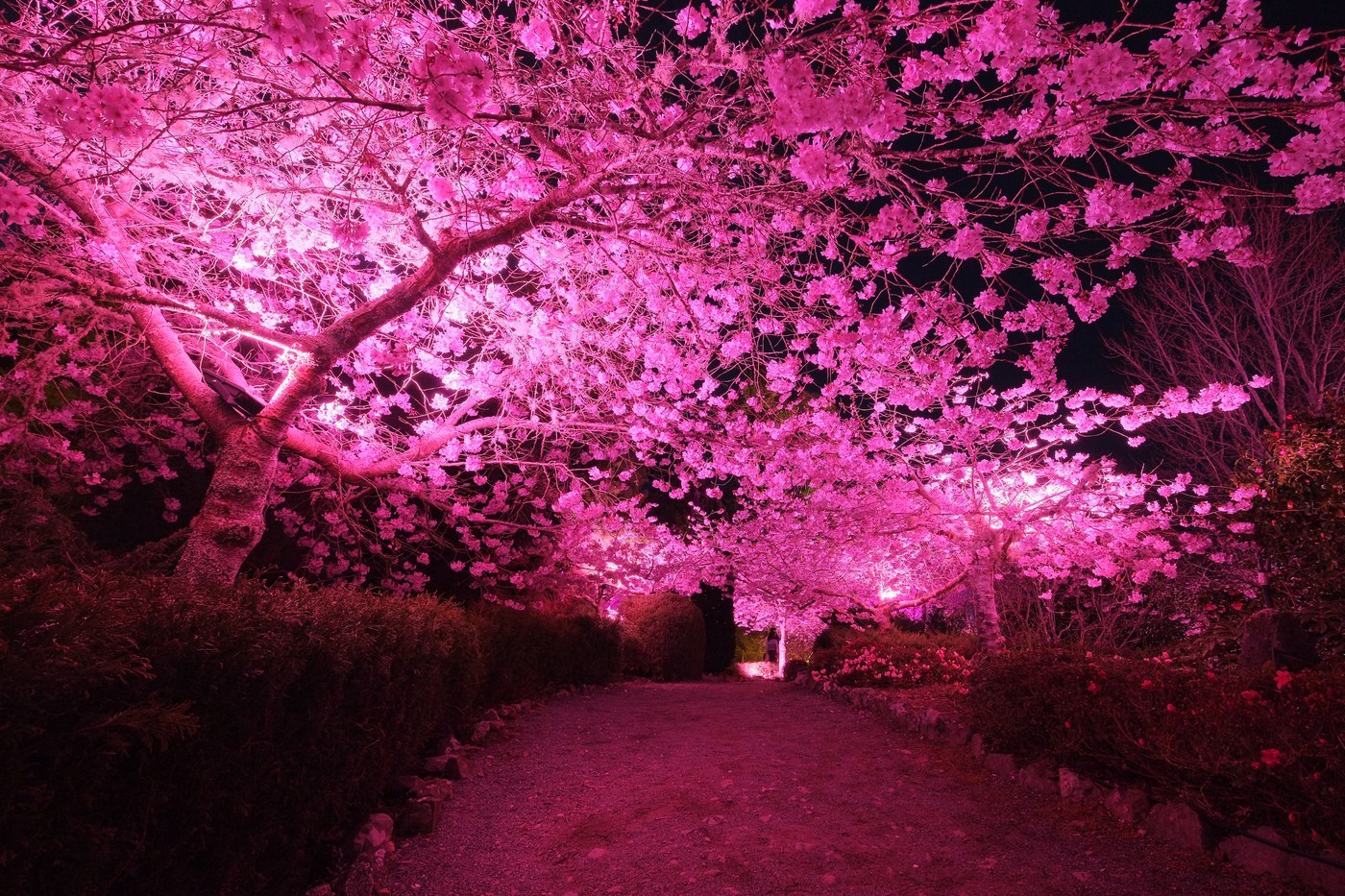
Prunus avium, the wild or sweet cherry, is a deciduous tree in the rose family grown both as a fruit tree and for its spectacular clouds of spring blossom. Its relative, Prunus cerasus, is the sour or pie cherry.
Cherry trees offer year-round appeal: white-to-pink spring flowers, summer fruit, autumn color, and attractive glossy bark. Sweet cherries generally need a pollination partner, while many sour cherries are self-fertile.
How to identify it
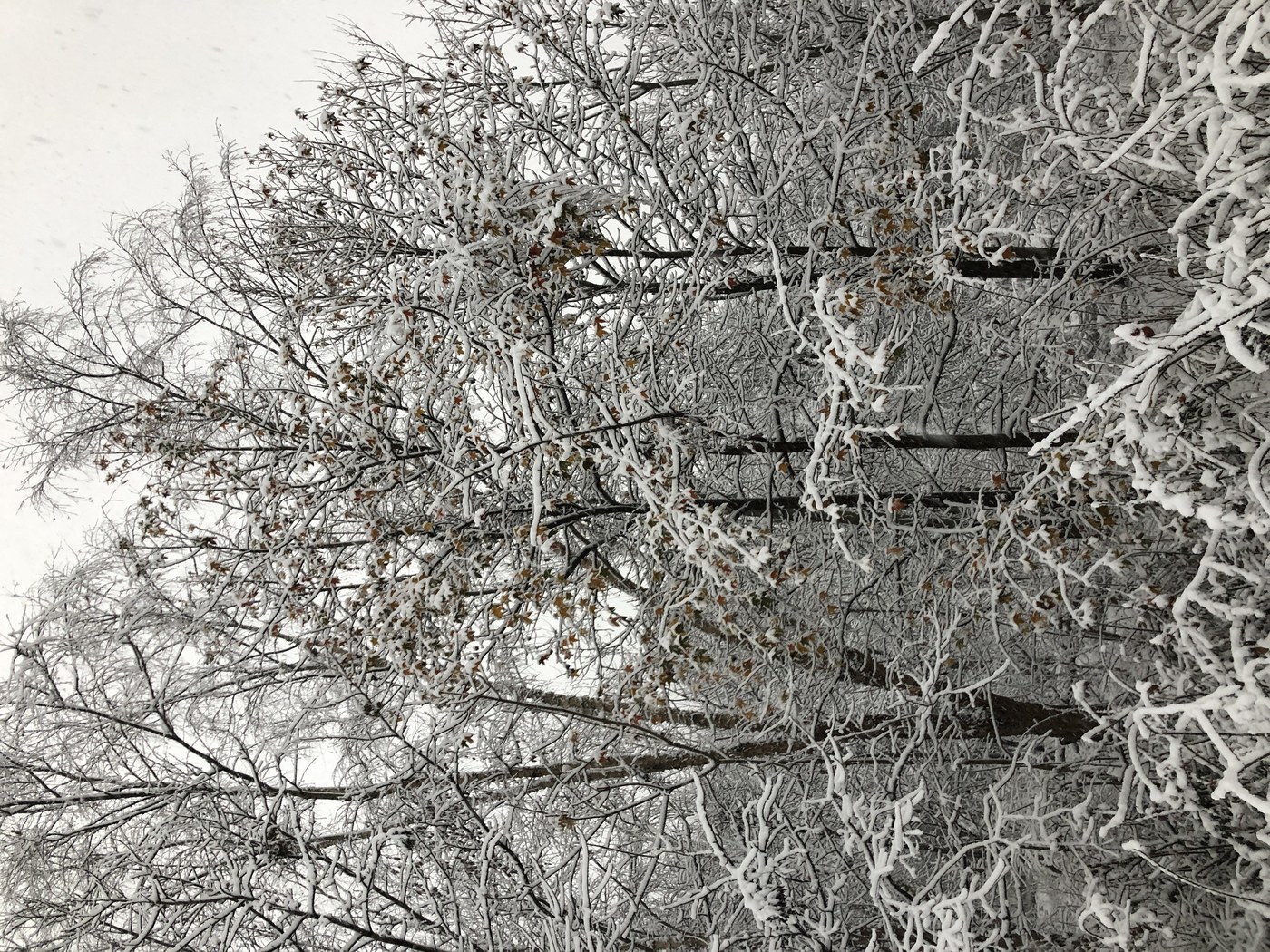
- Glossy, reddish-brown bark with distinctive horizontal lenticel bands that peel in papery strips
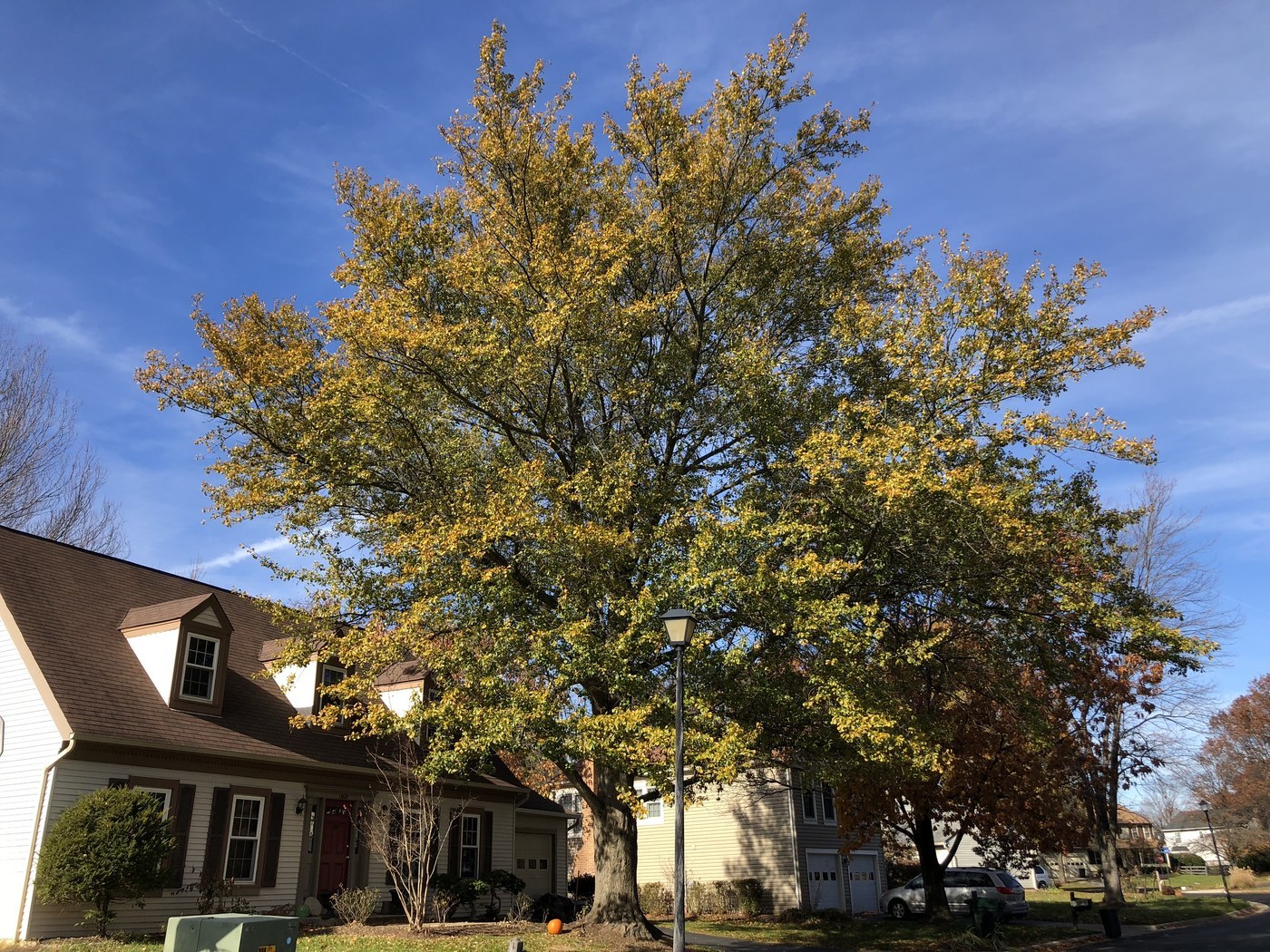
- Oval, finely serrated leaves, often bronze when young, turning red-orange in fall
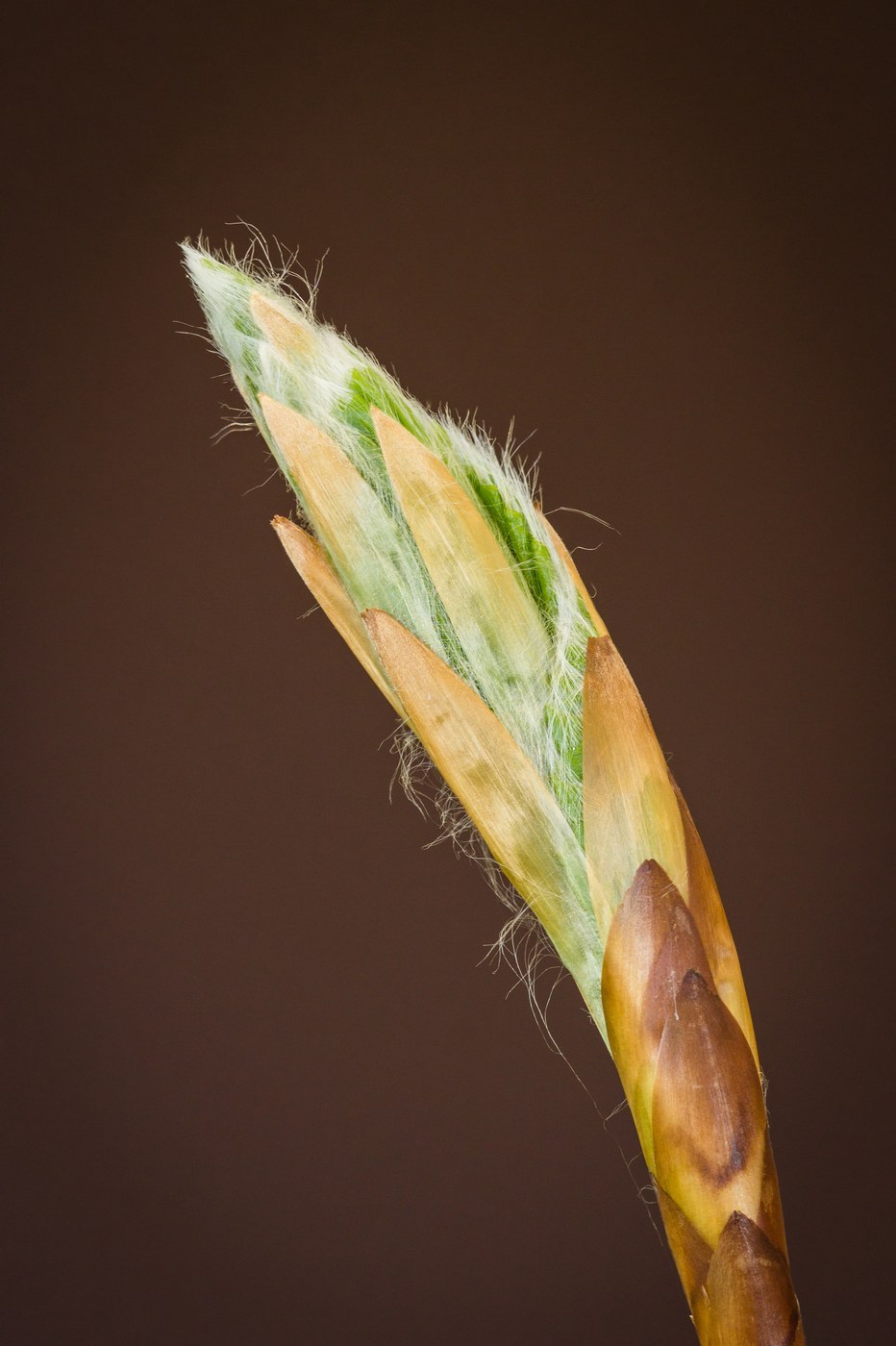
- Clusters of five-petaled white-to-pink blossoms in early spring before/with the leaves
- Round red-to-black (sweet) or bright-red (sour) fruit with a single hard pit
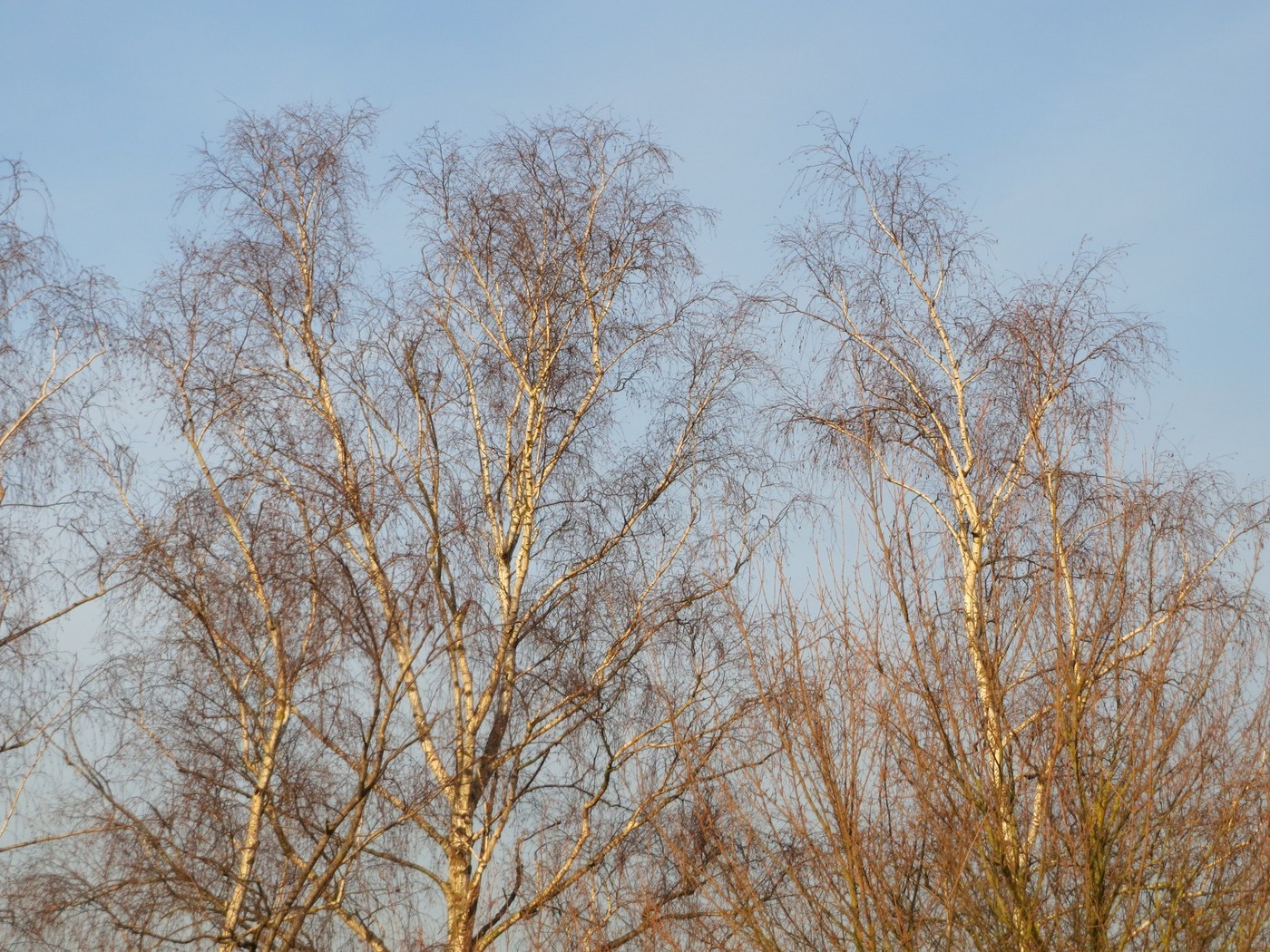
- Upright, often tall habit (sweet cherries to 30+ ft; sour cherries smaller)
Care & growing
Light: Full sun for good fruiting and flowering.
Water: Regular deep watering, especially as fruit develops; avoid waterlogging.
Soil: Deep, fertile, well-drained soil; cherries hate wet feet.
Temperature: Need winter chill to fruit; hardy in zones 4-7 (sour) or 5-8 (sweet).
Feeding: Light annual feed; over-fertilizing favors leaves and disease.
Pollination: Most sweet cherries need a compatible second variety; many sour cherries self-pollinate.
Propagation: Grafting onto rootstock controls size and ensures true fruit.
Habitat & origin
Prunus avium is native to Europe, western Asia, and parts of North Africa, growing wild in woodlands and hedgerows. It has naturalized widely in temperate regions.
Cherries are cultivated across cool-temperate climates worldwide—notably Turkey, the US Pacific Northwest, and Europe—wherever sufficient winter chill and frost-free bloom periods occur.
Frequently asked questions
Do I need two cherry trees to get fruit?
Most sweet cherries need a compatible pollinator variety nearby, but many sour cherries and a few self-fertile sweet varieties fruit alone.
Why didn't my cherry tree bloom?
Often too little winter chill, a late frost killing buds, over-fertilizing, or a tree that's still too young.
How do I keep birds off my cherries?
Netting the tree before fruit ripens is the most effective protection, since birds are drawn to ripe cherries.
How do I recognize a cherry tree?
Look for glossy reddish-brown bark with horizontal lenticel bands, finely serrated oval leaves, and clusters of five-petaled white-to-pink spring blossoms.
Cherry Tree guides
In-depth guides for identifying, growing, and caring for Cherry Tree.
How to Care for Cherry Tree
Grow a healthy sweet cherry tree with full sun, deep watering, well-drained soil, and annual dry-season pruning.
Cherry Tree Identification Guide
Identify cherry trees (Prunus species) by their glossy reddish-brown bark with horizontal lenticels, toothed oval leaves with nectar glands, clustered white-pink blossoms, and small round stone fruit.