
Chestnut Oak Identification Guide
Identify chestnut oak by its coarsely wavy-toothed leaves, deeply ridged blocky bark, and large acorns. Covers leaves, bark, fruit, look-alikes, and rocky-ridge habitat.
Read the full Chestnut Oak encyclopedia entry →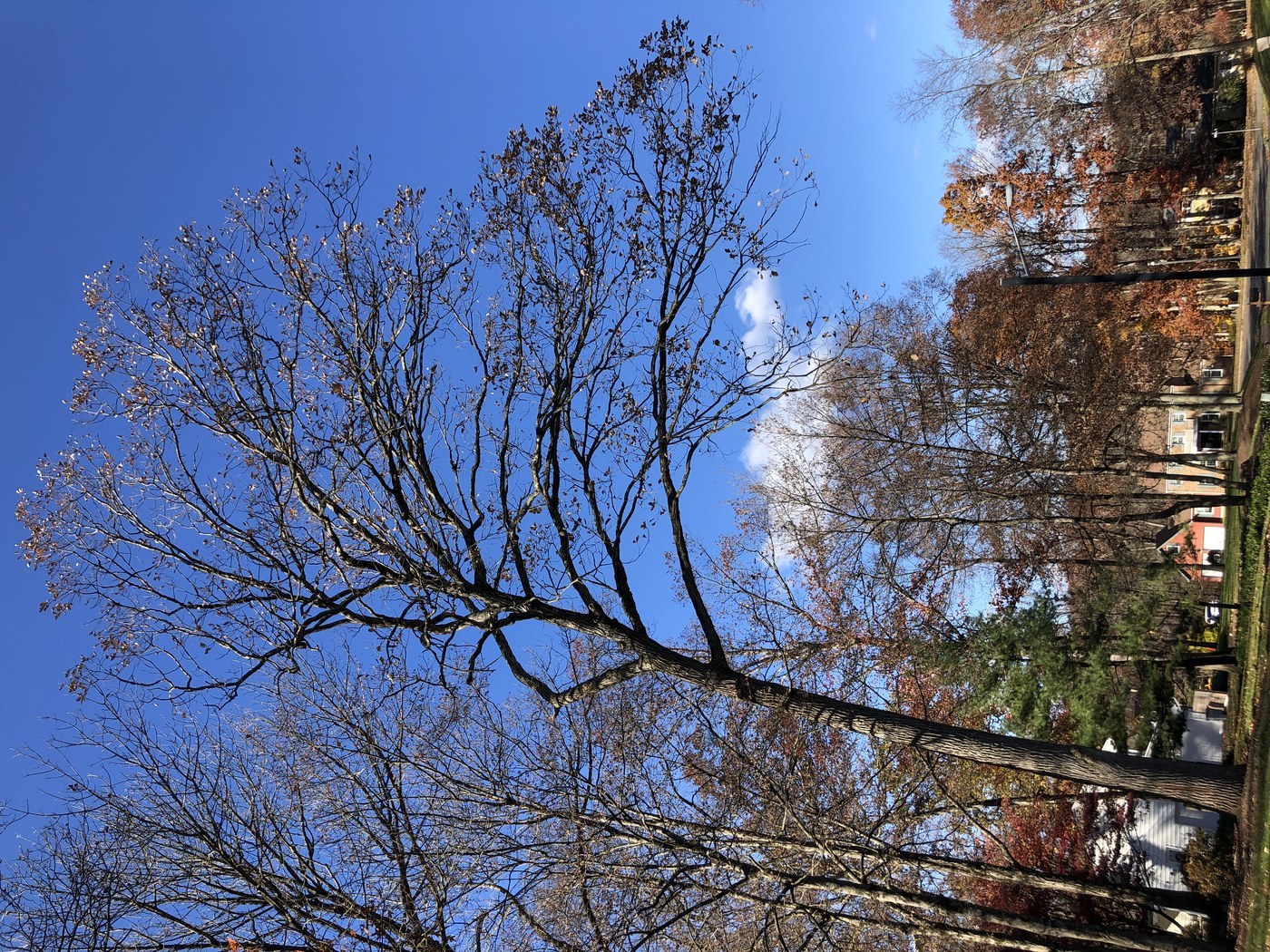
Key Identifying Features
Chestnut oak (Quercus montana, also called Q. prinus) is a rugged upland oak of the eastern United States, easily known by its chestnut-like leaves with rounded teeth and its remarkable, deeply furrowed bark. It belongs to the white oak group, so its leaves lack bristle tips and its acorns mature in a single season. It typically grows 60-70 feet tall on dry, rocky ridges.
Leaves & Stems
- Leaves are oblong to obovate, 4-8 inches long, with 7-16 pairs of shallow, rounded, wavy teeth along each margin — never sharp bristle points.
- The upper surface is shiny yellow-green; the underside is paler with fine hairs.
- Leaves resemble those of the American chestnut, hence the name, but the teeth are blunt and rounded rather than sharp and incurved.
- Fall color is yellow to orange-brown.
- Twigs are stout; buds are large, pointed, and chestnut-brown.
Bark
The bark is one of the best field marks: thick, dark gray to nearly black, broken into deep V-shaped furrows and hard, blocky ridges. It is the most deeply ridged bark of any oak in its range and is unmistakable on mature trunks.
Flowers & Fruit
- Yellow-green male catkins appear in spring.
- Acorns are large, 1-1.5 inches long, shiny chestnut-brown, oblong, with a thin bowl-like cap covering about a third of the nut.
- Acorns mature in one season.
How to Tell It Apart from Look-Alikes
- Chinkapin oak (Quercus muehlenbergii) has narrower leaves with sharper, more pointed teeth and thin, flaky gray bark — not the deep blocky ridges of chestnut oak.
- Swamp chestnut oak (Quercus michauxii) is very similar but grows in wet bottomlands and has flakier, lighter bark; chestnut oak occupies dry rocky ridges.
- Chestnut (Castanea) leaves have sharp, bristle-tipped teeth and produce spiny burs, not acorns.
Where You'll Find It
Chestnut oak dominates dry, rocky ridgetops, slopes, and poor sandy soils throughout the Appalachians and eastern uplands. It is a tree of well-drained, often nutrient-poor sites where it outcompetes other oaks. Finding a large oak with deeply blocky bark on a stony ridge is a strong sign of chestnut oak.
Quick ID Checklist
- Oblong leaves with rounded, wavy teeth (no bristle tips)
- Deeply furrowed, blocky dark bark — the deepest of any range oak
- Large shiny acorns with thin caps, maturing in one year
- Stout twigs with large chestnut-brown pointed buds
- Dry, rocky ridges and slopes
The combination of chestnut-like rounded-tooth leaves and dramatically ridged bark on a dry ridge nails the ID.
Frequently asked questions
Is chestnut oak related to the American chestnut?
No, it is a true oak named only for its chestnut-like leaf shape; it produces acorns, not spiny burs, and its leaf teeth are blunt and rounded rather than sharply bristle-tipped.
What is the easiest way to identify chestnut oak?
Its bark is the giveaway: thick, dark, and broken into deep V-shaped furrows and hard blocky ridges, the most deeply ridged bark of any oak in the eastern uplands.
How do I separate chestnut oak from swamp chestnut oak?
Habitat and bark are key: chestnut oak grows on dry rocky ridges with deeply ridged bark, while swamp chestnut oak grows in wet bottomlands and has flakier, lighter bark.