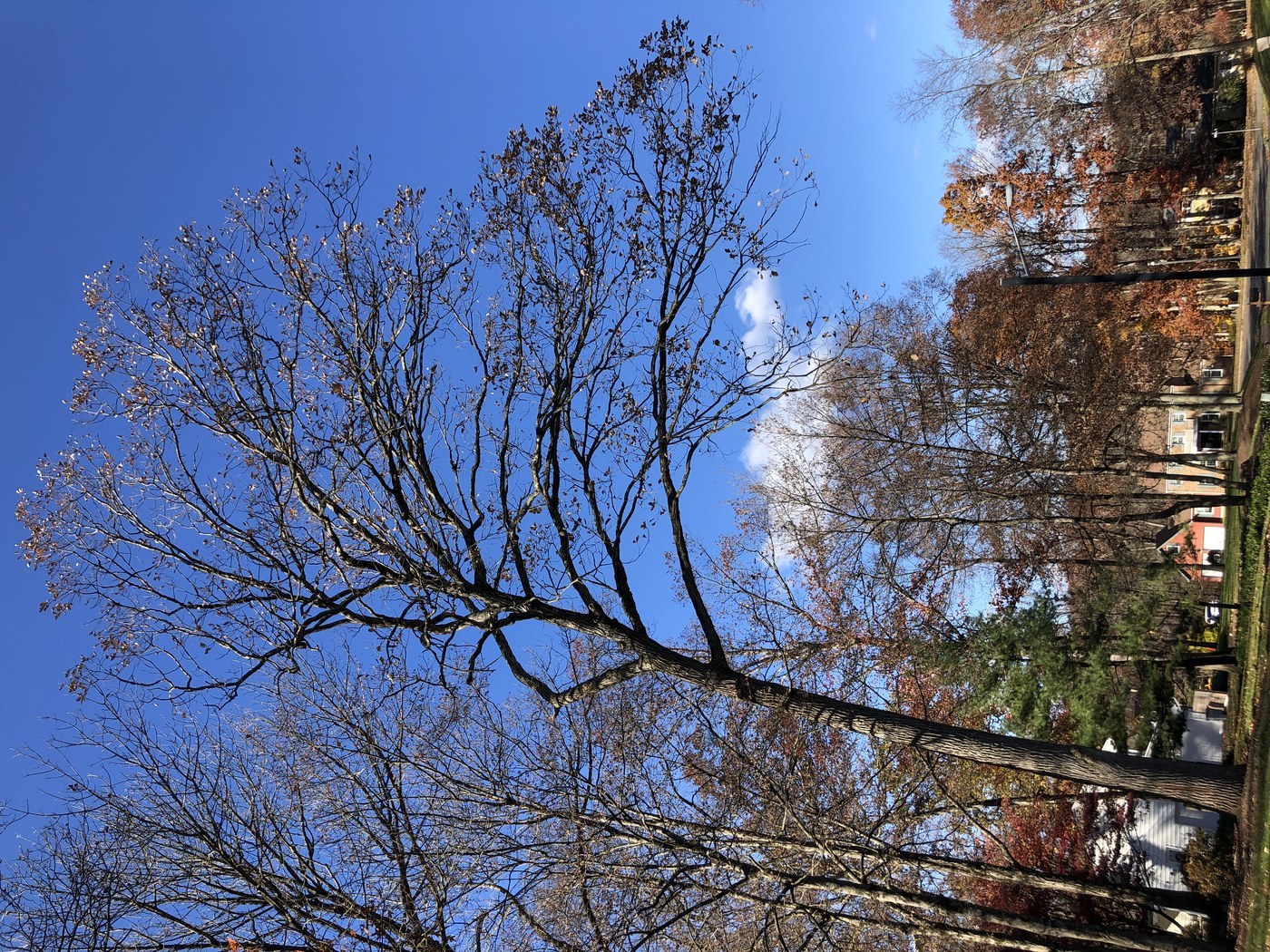
Chestnut Oak
Quercus montana
A rugged white-oak of dry rocky ridges, recognized by its deeply furrowed bark and chestnut-like, wavy-toothed leaves.
- Light
- Full sun
- Water
- Drought-tolerant once established
- Difficulty
- Easy
Got a plant like this?
Identify any plant from a photo, free.
Overview
Chestnut oak (also written Quercus prinus) is a member of the white oak group adapted to the harshest, driest upland sites, where it often dominates rocky ridgetops and steep slopes in the Appalachians.
Its common name comes from leaves that mimic those of the American chestnut. The tree is slow-growing but long-lived and is best known for its strikingly thick, deeply ridged bark, among the most furrowed of any eastern oak.
How to identify it
Distinctive bark and leaf shape make it easy to name:
- Leaves 4-8 in long, obovate with shallow, rounded, wavy teeth (not bristle-tipped), glossy yellow-green above
- Bark very thick, dark, and deeply furrowed into broad ridges — its most reliable feature
- Acorns large (1-1.5 in), shiny brown, with a thin cap, maturing in one season and germinating quickly
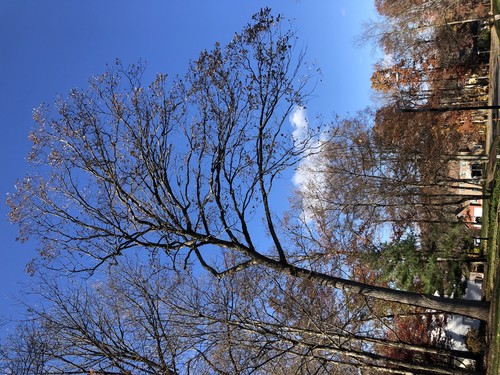
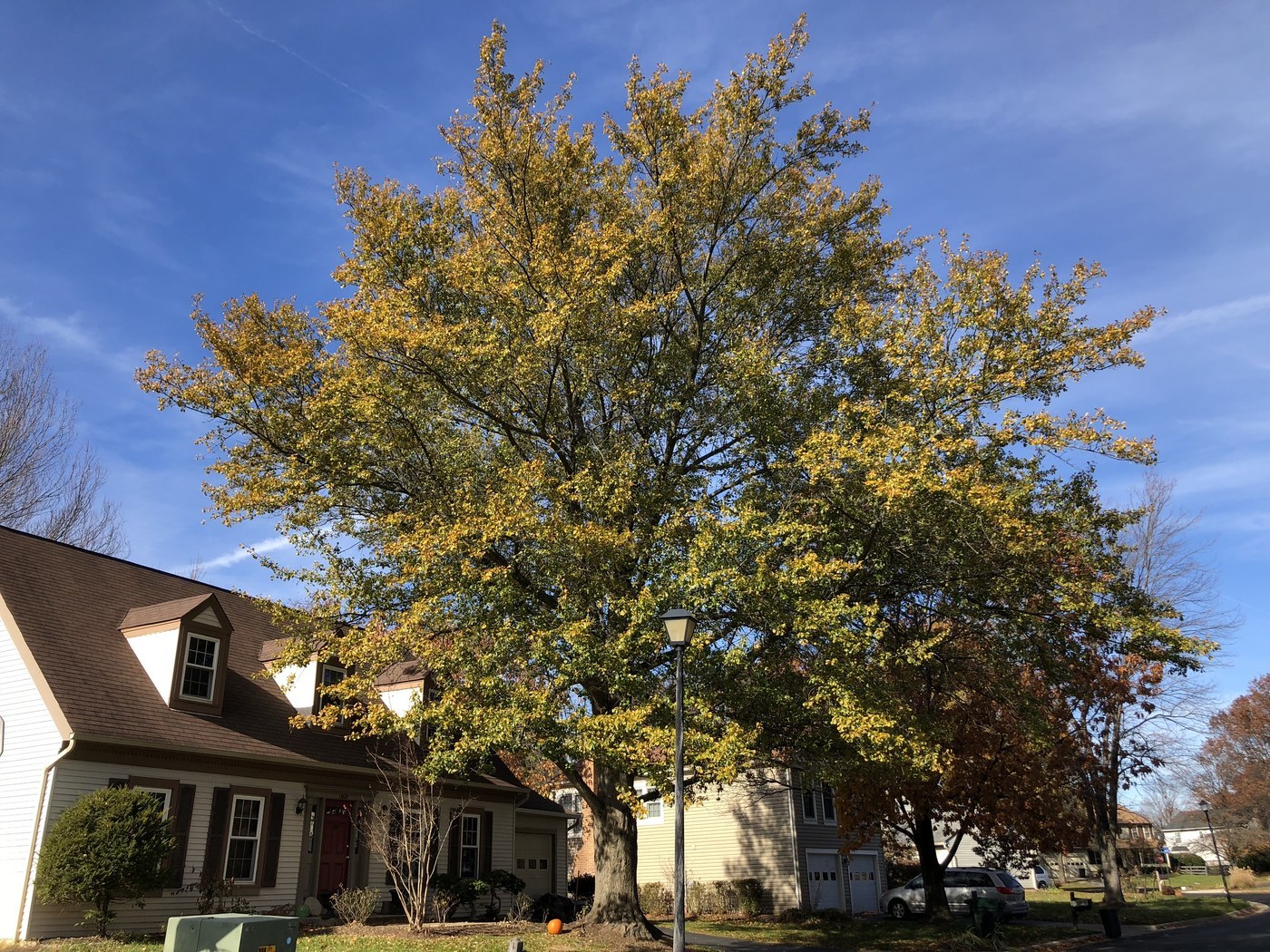
- Form broad, open crown, typically 60-70 ft tall on good sites, shorter on ridges
- Habit often grows on dry, rocky, acidic ground where few large trees succeed
Care & growing
Built for tough, dry conditions.
- Light: Full sun
- Water: Highly drought-tolerant; resents wet feet
- Soil: Prefers dry, rocky, acidic, well-drained soils; tolerates poor infertile ground
- Temperature: Hardy in USDA zones 4-8
- Feeding: Not required
- Propagation: Sow large acorns immediately after fall drop, as they germinate rapidly and do not store well
Habitat & origin
Native to the eastern United States, concentrated in the Appalachian Mountains from Maine and Ontario south to Georgia and Alabama. It is a defining tree of dry ridgetops, rocky slopes, and sandy uplands.
Less common in cultivation than other oaks, it is valued for naturalizing difficult dry, rocky sites and for restoration plantings.
Frequently asked questions
How do I tell it from chinkapin oak?
Chestnut oak has shallow, rounded, wavy leaf teeth and very thick deeply furrowed bark; chinkapin oak has sharper teeth and thinner, flaky gray bark.
Why is it called chestnut oak?
Its toothed leaves resemble those of the American chestnut, though the two trees are unrelated.
Will it grow in poor soil?
Yes — it specializes in dry, rocky, infertile sites where many trees cannot thrive.
How big does chestnut oak get?
It typically reaches 60 to 70 ft with a broad, open crown on good sites, and stays shorter on exposed rocky ridges.
Chestnut Oak guides
In-depth guides for identifying, growing, and caring for Chestnut Oak.