
How to Care for Chickweed
Grow Chickweed (Stellaria media), a low, fast-spreading annual with tiny star-white flowers that thrives in cool, moist soil and part shade.
Read the full Chickweed encyclopedia entry →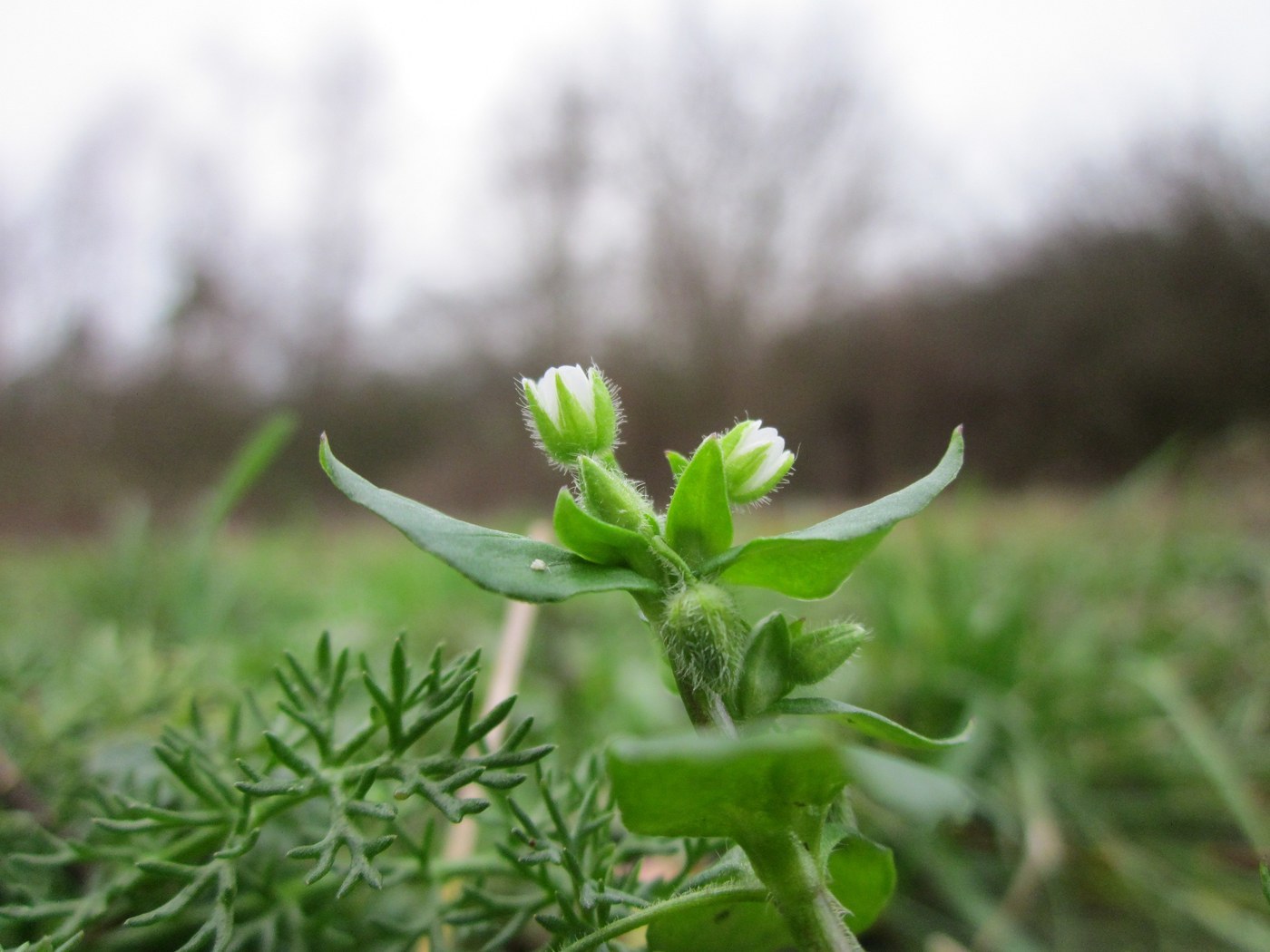
Chickweed (Stellaria media) is a low, sprawling annual forming soft mats of delicate green foliage studded with tiny white star-shaped flowers. Fast, easy, and cool-season by nature, it makes a quick groundcover and self-sows freely for continuous cover.
Light
Chickweed grows in part shade to full sun. It appreciates dappled or partial shade, especially in warmer regions where full sun and heat cause it to fade quickly. In cool climates and the cooler months, it happily takes more sun. A bright but not scorching spot suits it best.
Water
This is a moisture-loving plant that likes cool, consistently damp soil. Keep the ground evenly moist for lush, tender growth; chickweed wilts and goes to seed rapidly if allowed to dry out. It is not drought-tolerant, so water regularly in dry spells, particularly in sunnier positions.
Soil & Potting
Chickweed thrives in fertile, moist, well-worked soil rich in organic matter, but it is adaptable and colonizes most garden ground. It prefers cool, loose soil and a near-neutral pH. In containers, use a moisture-retentive potting mix and avoid letting the pot dry out.
Humidity & Temperature
A cool-season grower, chickweed flourishes in the mild temperatures of spring and autumn and even continues through mild winters. It resents heat, bolting to seed and dying back as summer warms. It appreciates cool, humid air and moist ground rather than hot, dry conditions.
Feeding
Chickweed rarely needs feeding on decent soil. On poor ground, a light dose of balanced fertilizer or a topdressing of compost produces fuller, greener growth. Avoid heavy feeding, which is unnecessary for this naturally vigorous plant.
Propagation
Propagation could not be simpler: chickweed self-sows abundantly and germinates readily in cool, moist conditions. Scatter seed on the soil surface in early spring or autumn and keep it damp. Sprawling stems also root where they touch moist soil, so pieces can be pressed down to spread the mat. Successional sowings keep fresh growth coming.
Repotting / Pruning
No formal pruning is needed. Shear or pinch back straggly, flowering growth to encourage fresh, compact foliage and delay seeding. Because it self-sows so freely, cut off spent flowers if you want to limit spread. Container plants can be trimmed and refreshed, or simply resown as they tire.
Common Problems & Pests
Chickweed is largely trouble-free. In hot, dry weather it bolts and collapses, which is natural; provide shade and moisture to prolong it. Occasional aphids or slugs may appear on lush growth, and damp crowding can bring downy mildew. Improve airflow and avoid overcrowding if disease shows. Its chief 'problem' is enthusiasm: it spreads readily and can become weedy.
Seasonal Care Tips
Sow in early spring and again in late summer or autumn for cool-season cover. Keep soil moist and provide light shade as temperatures rise to extend the plant's life into summer. Trim before it sets seed if you want to control spread, or let it self-sow for a continuous carpet. It naturally winds down in the heat and renews itself in cooler weather.
Frequently asked questions
Why does my Chickweed die back in summer?
Chickweed is a cool-season annual that bolts to seed and collapses in heat. Provide part shade and keep the soil moist to prolong it, or resow in autumn for fresh cool-weather growth.
How much sun does Chickweed need?
It grows in part shade to full sun. In warm regions it prefers dappled or partial shade, while in cool climates and seasons it tolerates more direct sun.
How do I keep Chickweed from spreading everywhere?
Shear off spent flowers before they set seed, since it self-sows abundantly. Trimming straggly growth regularly also keeps it compact and limits its spread.
Does Chickweed need a lot of water?
Yes. It loves cool, consistently moist soil and is not drought-tolerant. Water regularly in dry spells, especially in sunny spots, to keep growth lush and tender.