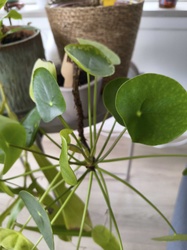
How to Care for Chinese Money Plant
Grow the Chinese Money Plant (Pilea peperomioides) in bright indirect light, water when the top inch dries, and rotate it for even, coin-shaped foliage.
Read the full Chinese Money Plant encyclopedia entry →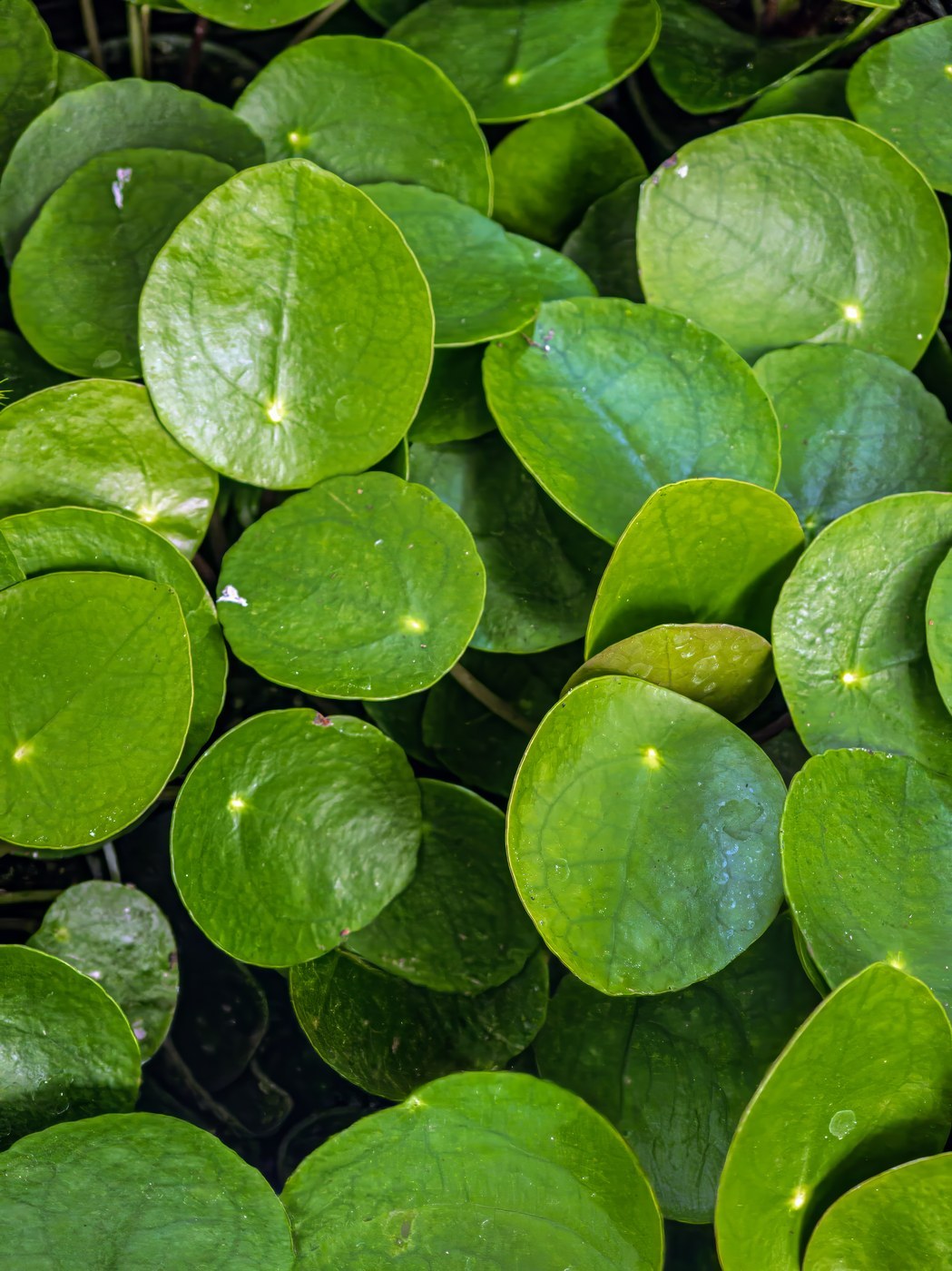
The Chinese Money Plant (Pilea peperomioides), also called the pancake or UFO plant, is a cheerful, easy houseplant famous for its round, coin-shaped leaves held on slender upright stems. It is one of the most rewarding beginner plants and produces baby offshoots generously for sharing.
Light
Give Pilea bright, indirect light for the best form and color. An east or north window, or a spot set back from a brighter window, is ideal. It leans strongly toward the light, so rotate the pot a quarter turn every week or two to keep the plant symmetrical. Avoid harsh, direct midday sun, which scorches and fades the leaves, and note that too little light makes the plant leggy with widely spaced foliage.
Water
Water when the top inch of soil has dried out, then water thoroughly until it drains from the bottom. This plant dislikes staying soggy, and overwatering is the most common cause of trouble. Let the surface dry between waterings and reduce frequency in winter. Drooping leaves usually signal thirst and recover quickly after watering, while yellowing lower leaves often point to overwatering.
Soil & Potting
Use a light, well-draining potting mix; a standard houseplant mix amended with perlite works well. Always plant in a container with drainage holes, as sitting water quickly leads to root rot. The plant appreciates a mix that holds a little moisture but never stays waterlogged.
Humidity & Temperature
Pilea is adaptable to average household humidity and does not require misting, though it appreciates moderate humidity. Keep it in comfortable room temperatures and protect it from cold drafts, heating vents, and sudden temperature swings. It prefers cooler-to-average indoor warmth and dislikes hot, dry air near radiators.
Feeding
Feed with a balanced, diluted liquid houseplant fertilizer roughly once a month during the active growing season of spring and summer. Stop feeding in fall and winter when growth slows. This is a light feeder, so avoid over-fertilizing, which can burn the roots and cause leaf-edge browning.
Propagation
Propagation is delightfully easy. The plant naturally sends up small pup offsets from its base and along the stem. Once a pup has a few leaves, sever it with a bit of root attached and pot it up, or root it briefly in water first. These plantlets root readily, which is why the plant is often passed among friends. Stem cuttings will also root in water.
Repotting / Pruning
Repot every year or two in spring when roots fill the pot, moving up one container size into fresh mix. Little pruning is needed, but you can remove any yellowed or damaged leaves at the base. Trimming the growing tip or removing pups helps control size and encourages a fuller shape.
Common Problems & Pests
Overwatering and poor drainage cause yellow leaves and root rot, the plant's chief hazards. Curling or cupped leaves can indicate light or watering irregularities. White, crusty leaf spots are often mineral deposits from the plant's natural process of releasing excess water. Watch for fungus gnats in overly wet soil and occasional spider mites or scale, which can be wiped off or treated with insecticidal soap.
Seasonal Care Tips
In spring and summer, provide steady bright indirect light, regular watering as the topsoil dries, and monthly feeding to fuel active growth and pup production. In fall and winter, cut back on water and stop fertilizing as growth slows. Keep the plant away from cold windowpanes and drafts in winter, and rotate it year-round for even, upright growth.
Frequently asked questions
Why are the leaves on my Chinese Money Plant turning yellow?
Yellowing lower leaves most often point to overwatering or poor drainage. Let the top inch of soil dry between waterings and make sure the pot drains freely to prevent root rot.
How do I get more baby plants from my Pilea?
The plant naturally produces pups from its base and stem. Once an offshoot has a few leaves and some roots, cut it away and pot it up. Bright light and healthy growth encourage more pups.
Why is my Chinese Money Plant leaning to one side?
Pilea grows toward its light source. Rotate the pot a quarter turn every week or two so it grows evenly and stays upright and symmetrical.
How often should I water a Chinese Money Plant?
Water when the top inch of soil is dry, then water thoroughly until it drains out the bottom. Water less in winter. Drooping leaves usually mean it is thirsty and will recover after watering.
Chinese Money Plant identified by the community
Recent Chinese Money Plant specimens identified with Plant Identifier.