
How to Care for Chinquapin Oak
Chinquapin oak is a drought-tolerant shade tree for full sun and well-drained soil, thriving on alkaline ground with little care once established.
Read the full Chinquapin Oak encyclopedia entry →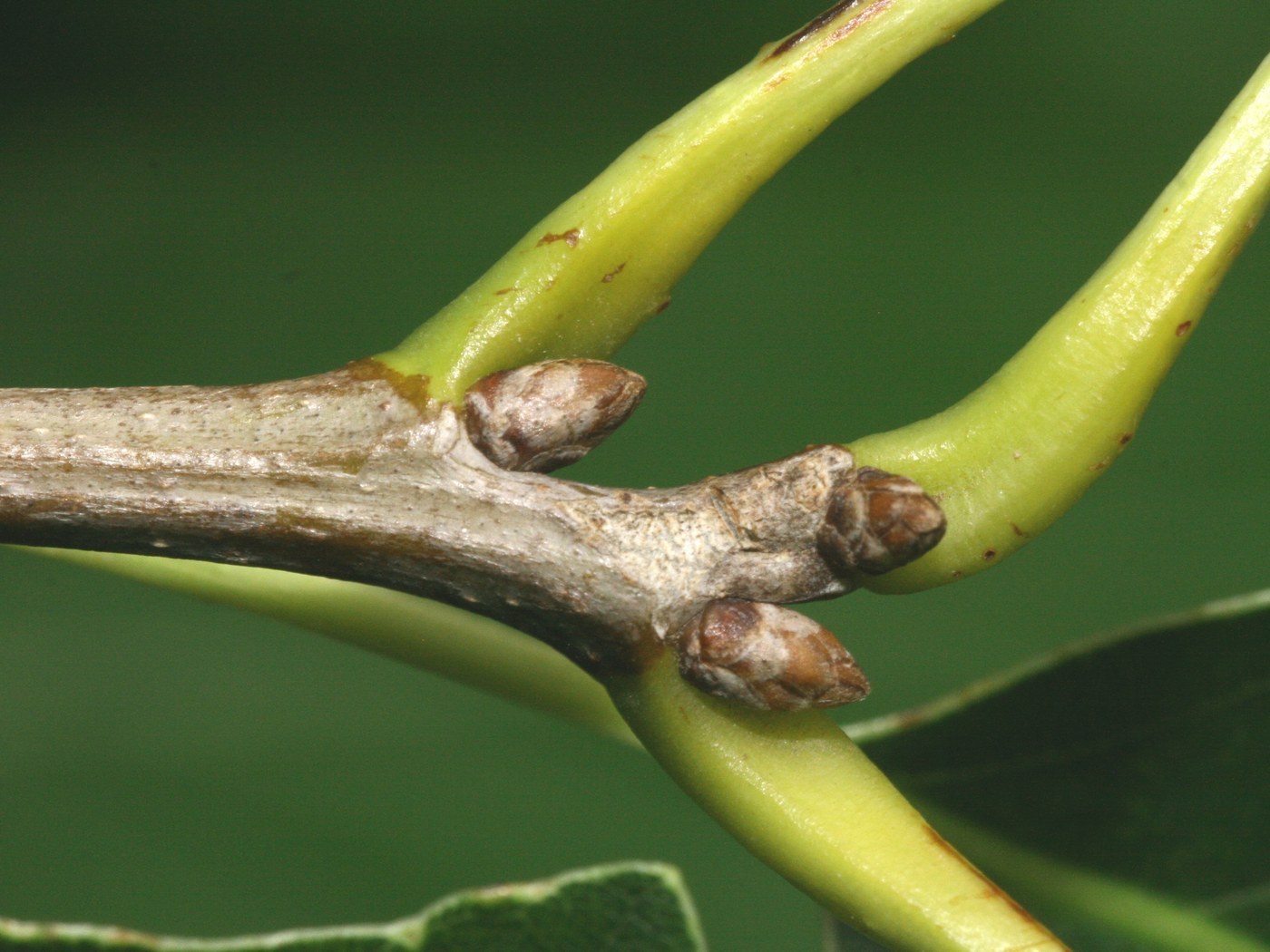
Chinquapin oak (Quercus muehlenbergii) is a stately, long-lived shade tree with distinctive glossy, chestnut-like leaves edged in wavy teeth. Adaptable and notably drought-tolerant, it is a fine landscape oak for open, sunny sites, though its slow establishment calls for a bit of patience.
Light
Plant chinquapin oak in full sun. As a large canopy tree it needs abundant direct light to develop a strong, well-balanced crown and dense foliage. Young trees tolerate a little side shade, but full, open sun produces the sturdiest, most vigorous growth over the long term.
Water
Water regularly through the first two or three growing seasons to establish deep roots. Once established, the tree is genuinely drought-tolerant and needs only low to moderate water, relying largely on rainfall. Provide supplemental deep watering during extended droughts, but avoid soggy, saturated soil, which the species dislikes.
Soil & Potting
Chinquapin oak is unusually adaptable and is one of the best oaks for alkaline, limestone-based soils. It grows well on dry, rocky, or clay ground provided drainage is reasonable, and tolerates a wide pH range. Good drainage matters far more than richness; it resents constantly wet feet.
Humidity & Temperature
This is a cold-hardy temperate tree that withstands a wide range of temperatures and tolerates heat and dry air well. It requires no special humidity and handles the swings of continental climates. Its natural range spans broad temperature extremes, so mature trees are very resilient.
Feeding
Established chinquapin oaks in reasonable soil need little to no supplemental feeding. For young or slow-growing trees, a light spring application of a balanced, slow-release fertilizer supports steady growth. Avoid heavy nitrogen, which forces weak, fast growth; a layer of mulch that breaks down over time supplies most of what the tree needs.
Propagation
Chinquapin oak is grown from its acorns, which should be sown fresh in autumn, as they lose viability quickly if allowed to dry out. Acorns often germinate readily and send down a deep taproot early. Because of that taproot, plant young trees in their permanent site early and transplant with care.
Repotting / Pruning
Prune only in the dormant season to remove dead, damaged, or crossing branches and to establish a strong central leader when young. Oaks in general should not be pruned in the active growing period, when open wounds are more vulnerable to disease. Keep pruning minimal; a healthy oak needs little shaping once its framework is set.
Common Problems & Pests
Chinquapin oak is generally robust and long-lived. Occasional leaf-chewing caterpillars, galls, and skeletonizing insects may appear but rarely cause lasting harm to a healthy tree. Oak wilt and various fungal leaf spots can affect stressed trees, so avoid wounding trunks and prune only in dormancy. Chlorosis is uncommon here because the species handles alkaline soil so well.
Seasonal Care Tips
Plant in autumn or early spring and mulch the root zone to conserve moisture and suppress competition. Water attentively through the establishment years, then let the tree largely fend for itself. Reserve pruning for winter dormancy, and enjoy the rich bronze autumn color that the foliage develops in fall.
Frequently asked questions
Is chinquapin oak drought-tolerant?
Yes. Once established over its first few seasons, it is notably drought-tolerant and needs only low to moderate water, relying mostly on rainfall except during extended dry spells.
What kind of soil does chinquapin oak need?
It is highly adaptable and one of the best oaks for alkaline, limestone soils. It grows on dry, rocky, or clay ground as long as drainage is reasonable, and it dislikes constantly wet soil.
When should I prune a chinquapin oak?
Prune only during winter dormancy to remove dead or crossing branches. Avoid cutting during the active growing season, when fresh wounds are more prone to disease.
How do I grow a chinquapin oak from an acorn?
Sow fresh acorns in autumn before they dry out, since they lose viability quickly. They germinate readily and form a deep taproot, so plant in the permanent site early.
Does chinquapin oak grow quickly?
It is a slow-to-moderate grower, especially while establishing. Patience during the early years pays off with a resilient, long-lived shade tree that needs little care once mature.