Chinquapin Oak
Quercus muehlenbergii
Chinquapin oak is a white oak with chestnut-like, coarsely toothed leaves that thrives on dry, alkaline, limestone soils.
- Light
- Full sun
- Water
- Low to moderate; drought tolerant
- Difficulty
- Moderate
Got a plant like this?
Identify any plant from a photo, free.
Overview
Chinquapin oak (Quercus muehlenbergii) is a medium-to-large deciduous tree in the white oak group, native to central and eastern North America. Its leaves resemble those of chestnut and chinquapin trees — hence the name.
Unlike most oaks, it favors dry, rocky, alkaline soils, especially over limestone, where it often grows in open woodlands and on bluffs. It is notably more tolerant of high-pH soils than most other oaks.
It produces small acorns that are favored by wildlife.
How to identify it
- Leaves: 4–7 in long, narrow-oval, with coarse, evenly spaced, often pointed teeth (not lobes); glossy green above, paler beneath — chestnut-like.
- Acorns: Small, dark, with a thin cap covering about half the nut; matures in one season.
- Bark: Light gray, flaky and somewhat scaly, often described as ashy.
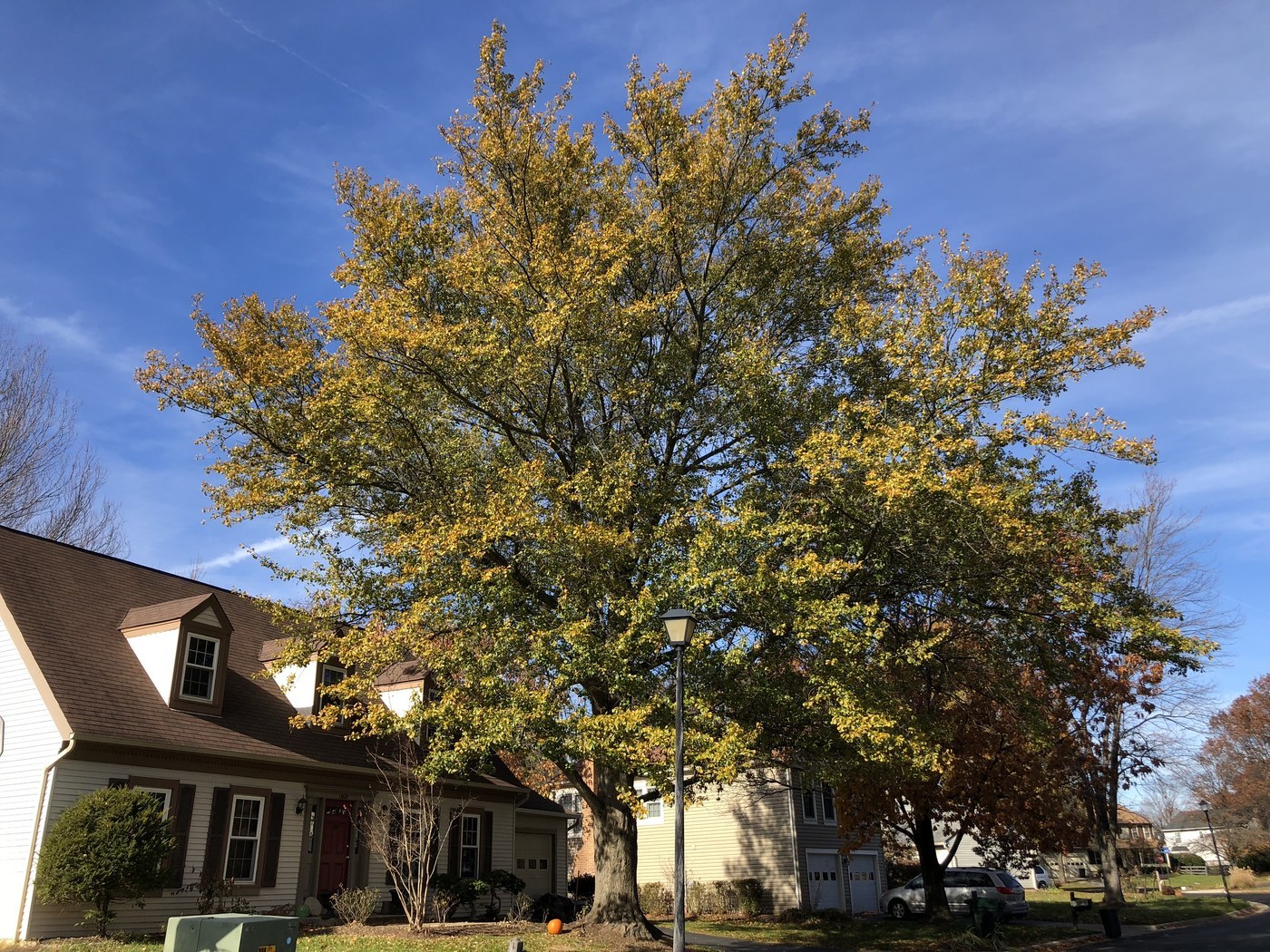
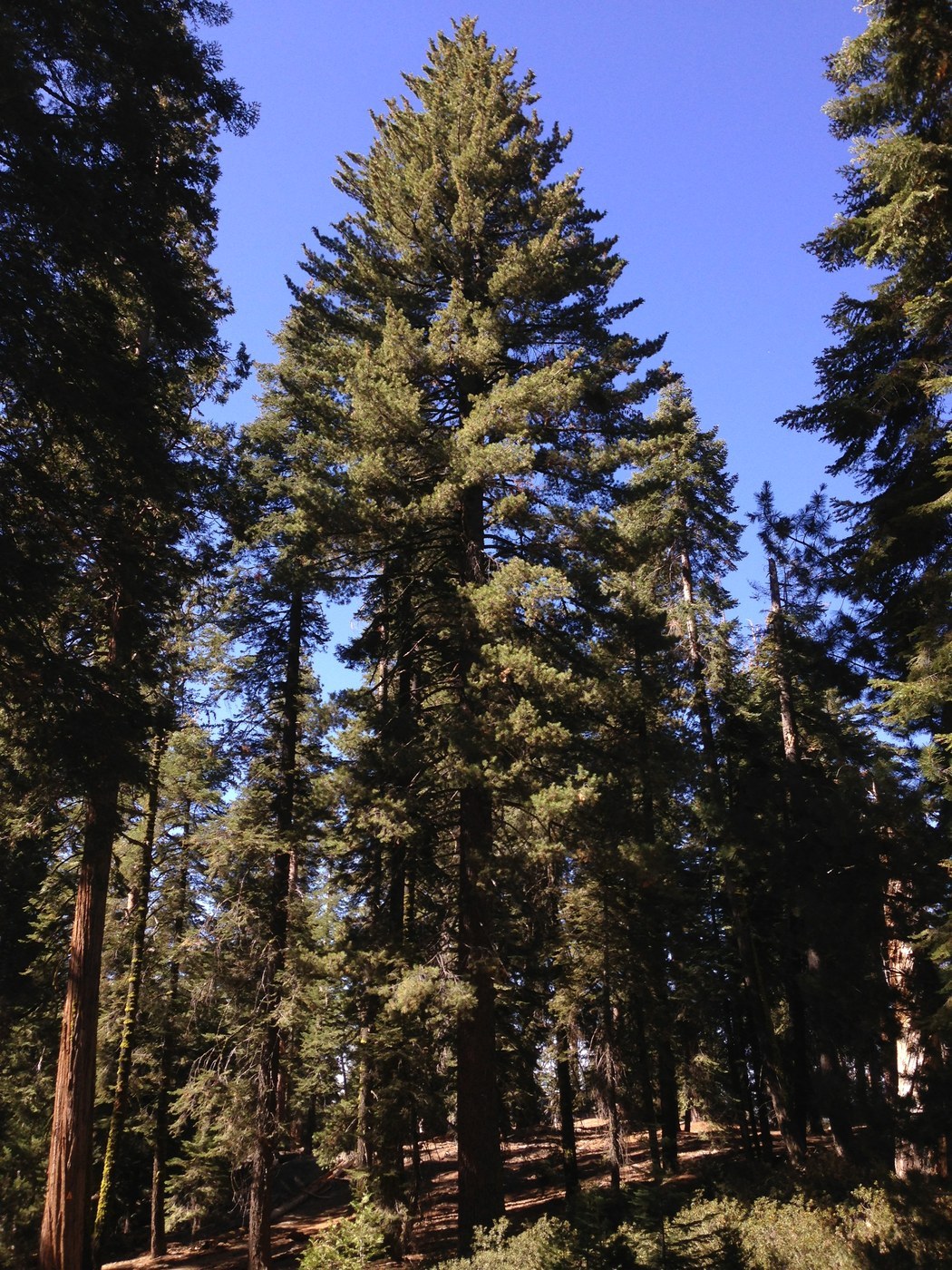
- Habit: Rounded, open crown.
- Size: Typically 40–60 ft tall, larger on good sites.
Care & growing
Chinquapin oak prefers full sun and excellent drainage.
- Water: Drought tolerant once established; dislikes wet, poorly drained soils.
- Soil: Especially well suited to dry, rocky, alkaline limestone soils, but also grows on neutral and slightly acidic ground.
- Temperature: Hardy in USDA zones 3–9.
- Feeding: Rarely required.
- Propagation: From acorns sown in fall; develops a deep taproot, so transplant young.
Habitat & origin
Native to central and eastern North America, from Vermont and Ontario south to Florida and west into Texas, New Mexico, and northern Mexico.
It is most common on dry limestone ridges, bluffs, glades, and rocky slopes, often in association with other oaks and hickories. Its tolerance of high-pH soils lets it grow where many oaks cannot.
Frequently asked questions
Why is it called chinquapin oak?
Its coarsely toothed, chestnut-like leaves resemble those of the chinquapin and chestnut trees, even though it is a true oak.
What soil does chinquapin oak like?
It is unusual among oaks in thriving on dry, rocky, alkaline limestone soils, though it also grows on neutral ground.
How is it different from chestnut oak?
Chinquapin oak has narrower leaves with sharper teeth and flaky ashy bark and prefers alkaline soils, while chestnut oak has blunter teeth, ridged bark, and prefers acidic uplands.
How big does chinquapin oak get?
It typically reaches 40 to 60 ft tall with a rounded, open crown, and larger on favorable sites.
Chinquapin Oak guides
In-depth guides for identifying, growing, and caring for Chinquapin Oak.
How to Care for Chinquapin Oak
Chinquapin oak is a drought-tolerant shade tree for full sun and well-drained soil, thriving on alkaline ground with little care once established.
Chinquapin Oak Identification Guide
How to identify Chinquapin Oak (Quercus muehlenbergii) by its chestnut-like coarsely toothed (not lobed) leaves and flaky gray limestone-loving bark.