
How to Care for Chives
Grow tidy grassy clumps of ornamental chives with full sun, even moisture, and easy division to keep them vigorous.
Read the full Chives encyclopedia entry →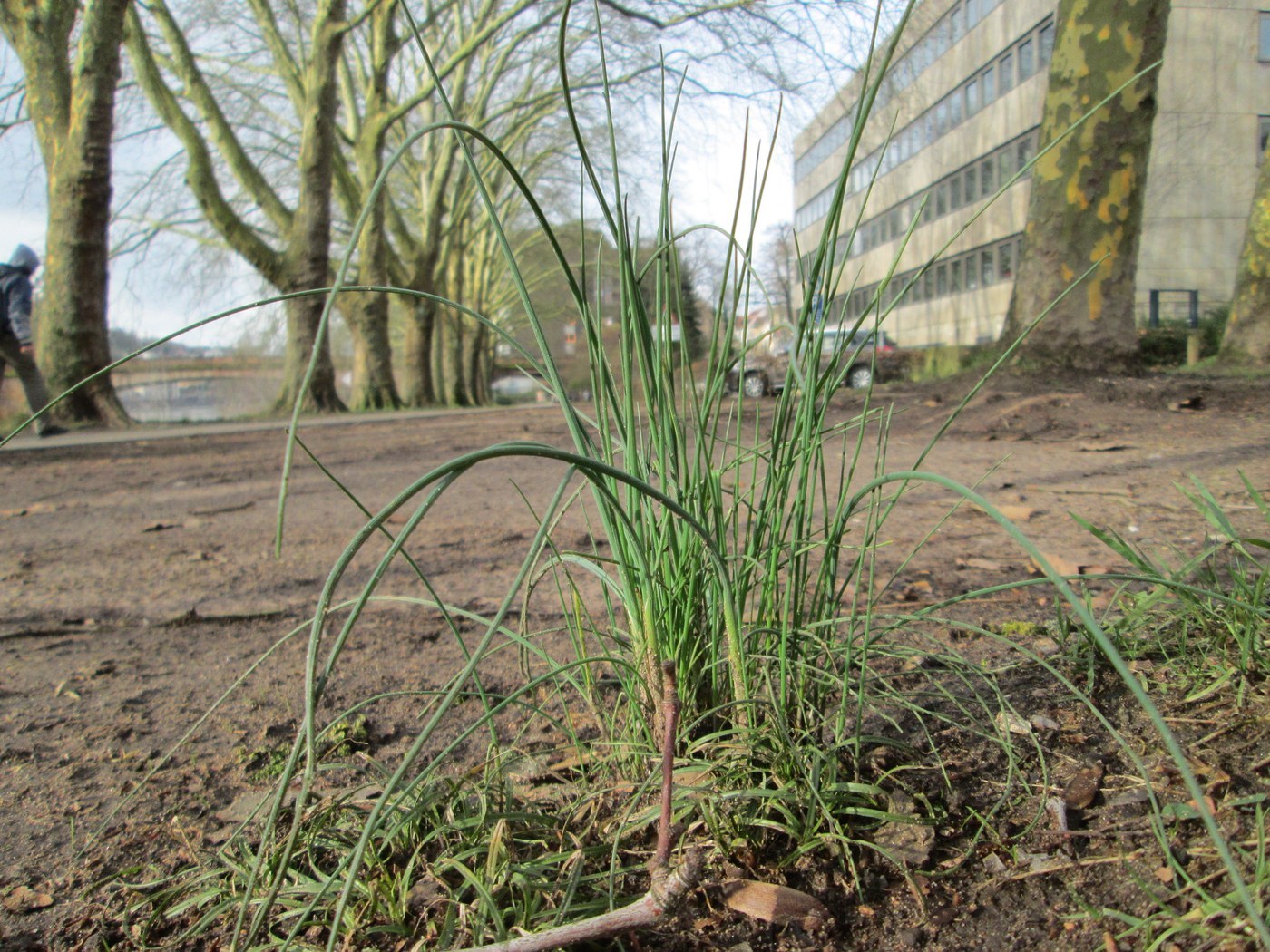
Chives (Allium schoenoprasum) are a hardy, clump-forming perennial in the onion family, grown ornamentally for their fine grassy foliage and charming rounded pompom flowers. They are among the easiest plants to grow in beds, borders, or containers.
Light
Chives grow best in full sun, which keeps the clumps dense, upright, and free-flowering. They tolerate partial shade, though growth is softer and bloom is reduced. Aim for at least six hours of direct light for the sturdiest, most compact plants.
Water
Keep the soil evenly moist with moderate, regular watering, especially during dry spells and for container-grown plants. Chives have shallow, fibrous roots that dislike drying out completely, yet they also resent waterlogging. Steady moisture produces lush foliage; letting them dry repeatedly leads to yellowing tips.
Soil & Potting
Grow in fertile, well-drained soil rich in organic matter with a near-neutral pH. They adapt to most garden soils but flourish in loamy ground amended with compost. In containers, use a good general potting mix with drainage holes; a medium pot easily holds a healthy clump and can be divided as it fills out.
Humidity & Temperature
Chives are cold-hardy perennials that thrive in cool to mild conditions and die back to the ground over winter, returning reliably in spring. They handle a wide temperature range and need no special humidity. In hot climates they may go semi-dormant during peak summer heat and regrow as temperatures ease.
Feeding
Chives are light feeders. Enrich the soil with compost at planting and apply a balanced general fertilizer once or twice during the growing season to support fresh foliage. Container plants benefit from a diluted liquid feed every few weeks in spring and summer, since nutrients leach from pots more quickly.
Propagation
The easiest method is division: lift an established clump in spring or autumn and pull it into smaller sections, each with roots and shoots, then replant. Chives also grow readily from seed sown in spring, though seedlings take a season to bulk up. Divide clumps every few years to keep them vigorous.
Repotting / Pruning
Repot or divide container clumps every two to three years when they become congested, refreshing the soil at the same time. Shear the foliage back periodically to encourage a flush of tender new leaves, and remove faded flowerheads to keep plants tidy and limit unwanted self-seeding. Cut back dead foliage as it dies down in late autumn.
Common Problems & Pests
Chives are largely trouble-free. In damp, crowded conditions they can develop downy mildew, rust, or white rot, so ensure good airflow and avoid waterlogged soil. Thrips and onion-family pests occasionally appear. Yellowing, floppy foliage usually indicates overcrowding, poor drainage, or inconsistent watering rather than pests.
Seasonal Care Tips
In early spring, divide congested clumps and top-dress with compost as new shoots emerge. Water evenly and shear for fresh growth through spring and summer. Deadhead spent flowers to prevent excess self-seeding. In autumn, let the foliage die back naturally and tidy the clump; it will resprout from the base the following spring.
Frequently asked questions
How do I keep my chives growing thick and lush?
Give them full sun, keep the soil evenly moist, and shear the foliage back periodically to trigger a flush of fresh new leaves. Divide congested clumps every few years to maintain vigor.
Can chives be grown in a pot?
Yes, they grow well in a medium container with drainage holes and general potting mix. Water more regularly than in the ground and divide the clump every two to three years as it fills the pot.
Why are my chive leaves turning yellow?
Yellow, floppy foliage usually points to overcrowding, poor drainage, or inconsistent watering rather than pests. Divide crowded clumps, improve drainage, and keep moisture steady.
Do chives come back every year?
Yes. Chives are a hardy perennial that dies back to the ground in winter and reliably resprouts from the base each spring. Just tidy the spent foliage in late autumn.