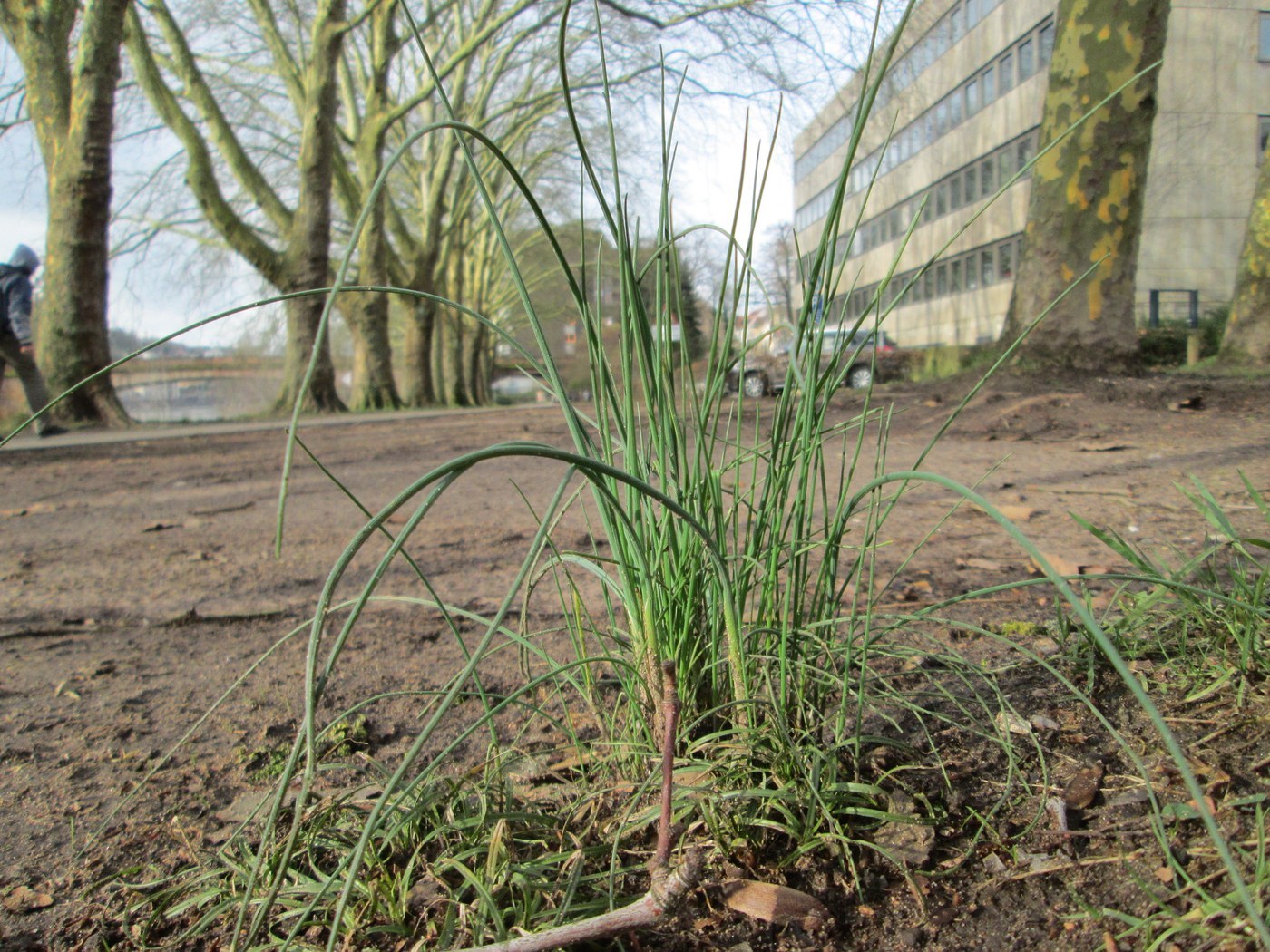
Chives
Allium schoenoprasum
Chives are a clump-forming perennial culinary herb in the onion family, grown for their slender hollow leaves and pompom-like purple flowers.
- Light
- Full sun to partial shade
- Water
- Moderate; keep evenly moist
- Difficulty
- Easy
Got a plant like this?
Identify any plant from a photo, free.
Overview
Chives are the smallest cultivated member of the onion genus, grown as a perennial culinary herb for their slender, hollow leaves. They form neat grassy clumps that return reliably year after year.
In late spring and early summer, chives produce charming rounded purple flower heads that are ornamental. The plant is hardy, easy and a favorite for borders, containers and kitchen gardens.
A close relative, garlic chives (Allium tuberosum), has flat leaves.
How to identify it
Chives are easily recognized by their tubular leaves and pompom flowers.
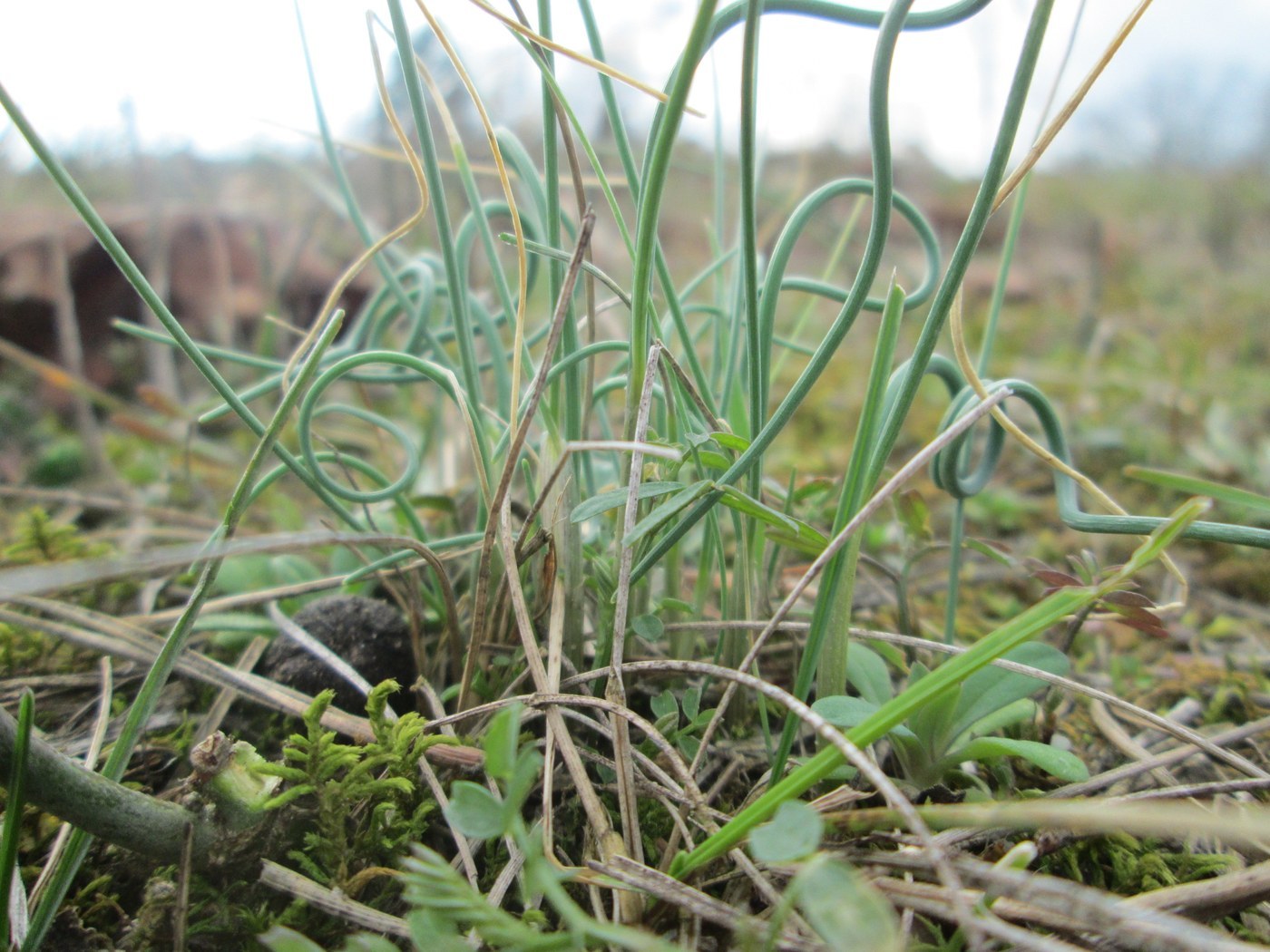
- Leaves: Slender, hollow, tubular, grass-like and dark green, with a mild onion aroma when cut
- Flowers: Rounded, dense, pinkish-purple globe-shaped clusters on thin stalks
- Height: Forms tidy clumps 20-40 cm (8-16 in) tall
- Bulbs: Small, clustered, narrow bulbs at the base
- Habit: Dense, upright, grassy perennial clump
Care & growing
Chives are one of the easiest perennial herbs to grow.
- Light: Full sun to partial shade
- Water: Keep soil evenly moist for tender leaves; tolerates short dry spells
- Soil: Fertile, well-drained soil rich in organic matter
- Temperature: Very hardy; dies back in winter and re-sprouts in spring
- Feeding: Light feeding supports continued leaf production
- Propagation: From seed or, more quickly, by dividing established clumps every few years. Snip leaves regularly to encourage fresh growth, and deadhead flowers to limit self-seeding.
Habitat & origin
Chives are native across the Northern Hemisphere, growing wild in temperate parts of Europe, Asia and North America, often in moist meadows and along streams. They are unusual among onions in being native to both the Old and New Worlds.
They are cultivated worldwide in herb gardens, vegetable plots, borders and containers, and make excellent windowsill plants.
Frequently asked questions
How do I recognize chives?
Look for tidy grassy clumps of slender, hollow, tubular dark-green leaves topped in late spring by rounded pinkish-purple pompom flower heads.
How do I harvest chive leaves without harming the plant?
Snip leaves from the outside of the clump near the base with scissors, taking no more than a third at a time. Regular cutting actually encourages fresh growth.
Do chives come back every year?
Yes. Chives are a hardy perennial. They die back in winter and re-emerge each spring, and clumps can be divided to make more plants.
What is the difference between chives and garlic chives?
Common chives have round, hollow leaves, while garlic chives have flat leaves and white flowers.
Chives guides
In-depth guides for identifying, growing, and caring for Chives.
How to Care for Chives
Grow tidy grassy clumps of ornamental chives with full sun, even moisture, and easy division to keep them vigorous.
Chives Identification Guide
Identify chives by their clumps of slender hollow grass-like leaves, mild onion smell, and globe-shaped pink-purple flower heads. Covers how to separate them from grass, garlic chives, and look-alike bulbs.