
How to Care for Cholla Cactus
Care for cholla cactus (Cylindropuntia), a rugged, drought-tolerant desert cactus with cylindrical segmented stems that thrives in full sun.
Read the full Cholla Cactus encyclopedia entry →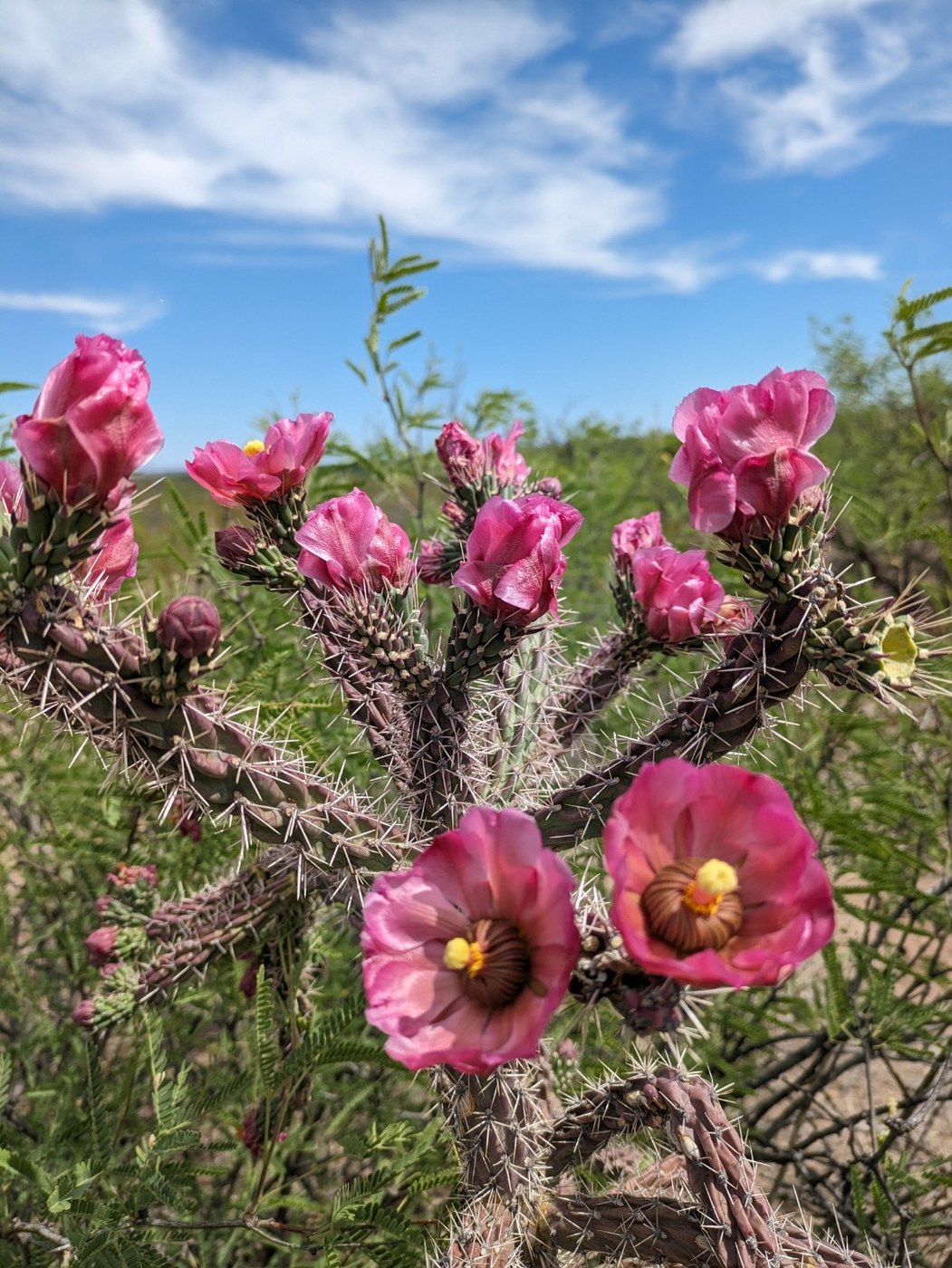
Cholla cacti are rugged, tree- or shrub-like desert plants with distinctive cylindrical, segmented stems armed with barbed spines. Adapted to harsh, arid conditions, they are extremely drought tolerant and easy to grow when given sun and sharp drainage.
Light
Cholla demands full sun. Give it the brightest, hottest position available, ideally a minimum of six to eight hours of direct sunlight daily. Indoors it needs an unobstructed south-facing window or supplemental grow lights, as insufficient light causes weak, etiolated growth and poor form.
Water
Water very sparingly. Cholla is exceptionally drought tolerant and stores water in its thick stems, so it needs only occasional deep watering during the active growing season, letting the soil dry out completely between waterings. In winter, when the plant is dormant, withhold water almost entirely. Overwatering is the single greatest cause of failure, quickly leading to root and stem rot.
Soil & Potting
Plant in a very gritty, fast-draining mineral soil, such as a specialized cactus mix amended with extra coarse sand, pumice, or perlite. Excellent drainage is essential. Use an unglazed clay pot with generous drainage holes to help excess moisture escape and the root zone dry quickly.
Humidity & Temperature
Cholla thrives in hot, dry conditions and low humidity. It handles extreme summer heat with ease and, depending on the species, can tolerate considerable cold and even light frost when kept dry, though potted plants should be protected from hard freezes. Ensure excellent air circulation and avoid damp, stagnant environments.
Feeding
Feeding needs are minimal. Apply a diluted, low-nitrogen cactus fertilizer once or twice during the spring and summer growing season. Do not feed in autumn or winter. Excess fertilizer produces soft, weak growth that is prone to problems.
Propagation
Cholla propagates readily from stem segments. Detach a cylindrical joint using thick gloves and tongs, since the barbed spines are difficult to remove from skin, then let the cut end callus over for several days to a week. Set the callused segment in dry, gritty mix and wait before watering lightly; it will root over a few weeks. Handle all cuttings with great care.
Repotting / Pruning
Repot only occasionally, every few years, when the plant outgrows its container, always working with heavy gloves and tongs to manage the spines. Repot in the warm season and leave the plant dry for a week or two afterward to let disturbed roots heal. Prune only to remove damaged segments or to shape the plant, again using protective tools.
Common Problems & Pests
The most common problem is rot from overwatering or poor drainage, showing as soft, discolored, or collapsing stems. Grow it lean and dry to avoid this. Under glass, watch for mealybugs and scale insects tucked among the spines and joints; treat with a targeted insecticide or dab of alcohol. Insufficient light leads to thin, stretched growth.
Seasonal Care Tips
In spring and summer, provide maximum sun, occasional deep watering, and light feeding to support active growth. As autumn arrives, taper off water and stop feeding. Keep the plant cool, dry, and dormant through winter, which improves its resilience and helps it withstand cold. Always handle with heavy gloves and tongs year-round.
Frequently asked questions
How often should I water a cholla cactus?
Very rarely. Water deeply only when the soil is completely dry during spring and summer, perhaps every few weeks, and withhold water almost entirely in winter. Overwatering is the fastest way to kill a cholla.
Can cholla cactus survive cold winters?
Many cholla species are surprisingly cold-hardy and tolerate frost when kept dry, though tolerance varies by species. Potted plants should be sheltered from hard freezes and kept bone dry during dormancy.
How do I handle cholla safely when repotting?
Always use thick leather gloves and long tongs. The barbed spines detach easily and are very hard to remove from skin, so wrap the plant in folded newspaper or a towel for extra protection while moving it.
Why is my cholla turning soft and mushy?
Soft, mushy stems indicate rot, almost always from overwatering or poor drainage. Move the plant to gritty, fast-draining soil, cut away affected segments, and water far less frequently.