How to Care for Christmas Cactus
Care guide for Schlumbergera bridgesii, an easy tropical cactus with segmented stems and vivid winter blooms.
Read the full Christmas Cactus encyclopedia entry →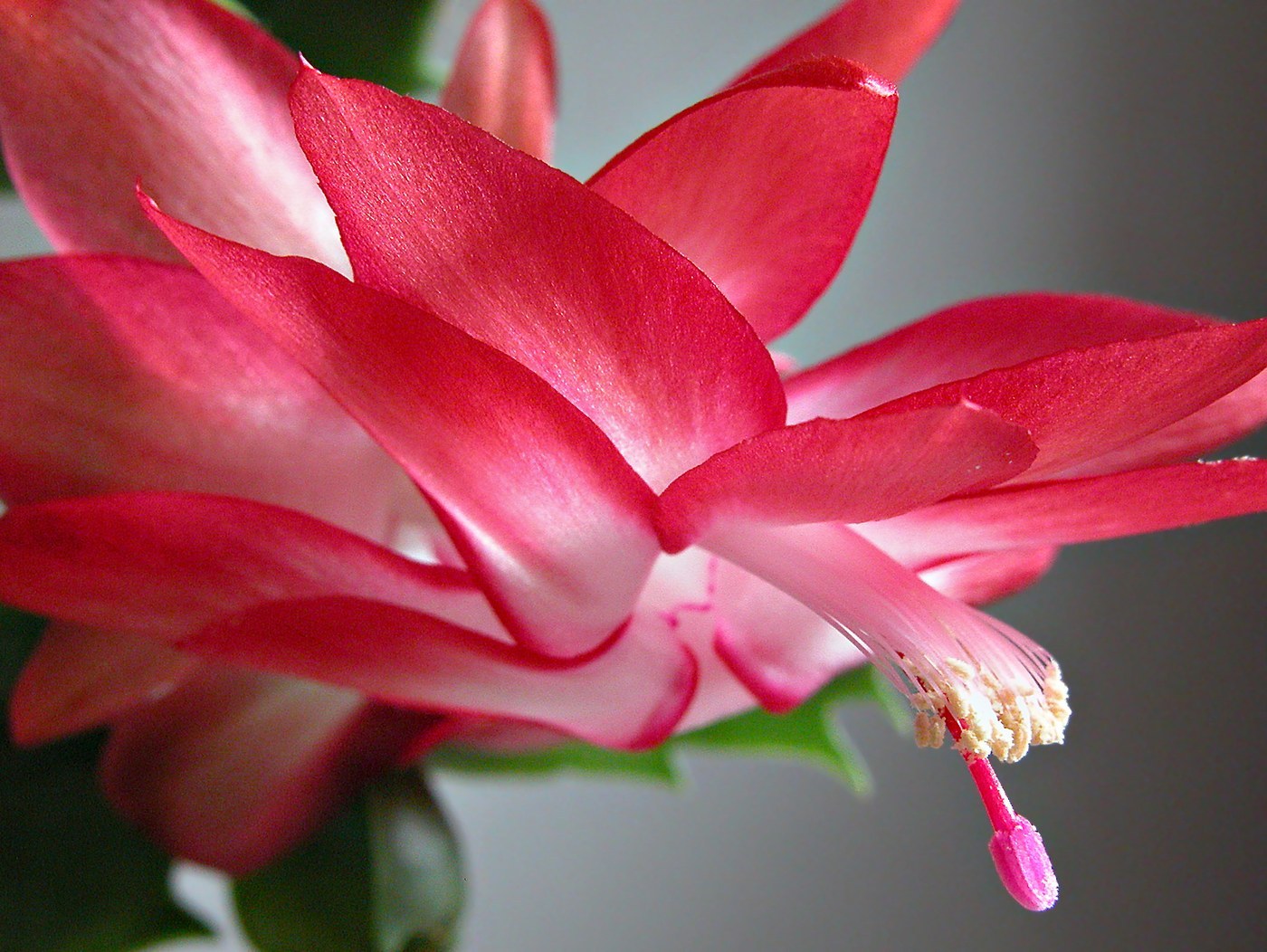
The Christmas Cactus (Schlumbergera bridgesii) is a beloved, easy-going tropical cactus with flattened, segmented stems that arch and trail, topped in the cool months by showy tubular flowers in pink, red, white, or purple. Unlike desert cacti, it hails from humid forest canopies and appreciates more water and shelter from harsh sun.
Light
Provide bright indirect light, such as an east-facing window or a spot shielded from strong midday sun. Too much direct sun can bleach or redden the segments, while too little light reduces flowering. Balanced bright indirect light keeps the stems deep green and supports abundant blooms.
Water
Water when the top inch of soil dries, then water thoroughly. Increase watering somewhat while buds are forming and the plant is in bloom, keeping the soil lightly moist but never waterlogged. Ease back after flowering during its brief rest. As a forest cactus it dislikes both drought stress and soggy roots.
Soil & Potting
Use a well-draining mix — a blend of standard potting soil with perlite, bark, or a cactus mix works well to mimic its epiphytic origins. A pot with drainage holes is essential. These plants bloom best when slightly root-bound, so resist frequent upsizing.
Humidity & Temperature
Christmas Cactus enjoys moderate to high humidity and comfortable indoor temperatures of about 65-75F during active growth. Cooler nights around 55-60F in fall actually help trigger flower buds. Avoid hot, dry drafts and sudden temperature swings, which can cause bud drop.
Feeding
Feed monthly with a balanced or slightly high-potassium liquid fertilizer at half strength during spring and summer growth. Stop feeding in fall as you begin the bud-setting rest period, and resume in spring after blooming finishes.
Propagation
This is one of the easiest plants to propagate. Twist off a section of two to three joined segments, let the cut end callus for a day or two, then insert it into moist soil. Roots form readily, and a single pot can be filled quickly with several cuttings for a fuller plant.
Repotting / Pruning
Repot only every three to four years, in spring after flowering, since crowded roots encourage blooming. Pinch or twist off a few segments after flowering to shape the plant and promote branching, which leads to more flowering tips the following season.
Common Problems & Pests
Bud drop is the most common complaint, typically from sudden changes in light, temperature, or watering while buds are developing — keep conditions steady once buds appear. Overwatering can cause root and stem rot, shown by mushy, limp segments. Watch for mealybugs and fungus gnats, and let soil dry appropriately to deter them.
Seasonal Care Tips
To set buds, give the plant cool nights and about 12-14 hours of uninterrupted darkness each night for several weeks in fall. Once buds form, stop moving the plant and keep watering consistent through bloom. After flowering, let it rest briefly with reduced water, then resume normal care and feeding in spring.
Frequently asked questions
Why won't my Christmas Cactus bloom?
Bud set depends on cool fall nights and long uninterrupted darkness — about 12-14 hours of dark for several weeks. Bright artificial light at night or too-warm rooms can prevent flowering.
Why are the flower buds falling off?
Bud drop usually follows a sudden change in light, temperature, drafts, or watering. Once buds appear, keep the plant in one spot with steady, consistent care until the blooms open.
How do I water it correctly?
Water when the top inch of soil dries, and keep it a bit moister while budding and blooming. Never let it sit in water — as a forest cactus it wants even moisture but well-drained roots.
Should I repot it often?
No. It blooms best when slightly root-bound, so repot only every three to four years in spring after flowering, moving up just one pot size.
Christmas Cactus identified by the community
Recent Christmas Cactus specimens identified with Plant Identifier.