How to Care for Chrysanthemum
Chrysanthemums are sun-loving autumn stars; give them full sun, steady moisture, and pinching for mounds of long-lasting fall color.
Read the full Chrysanthemum encyclopedia entry →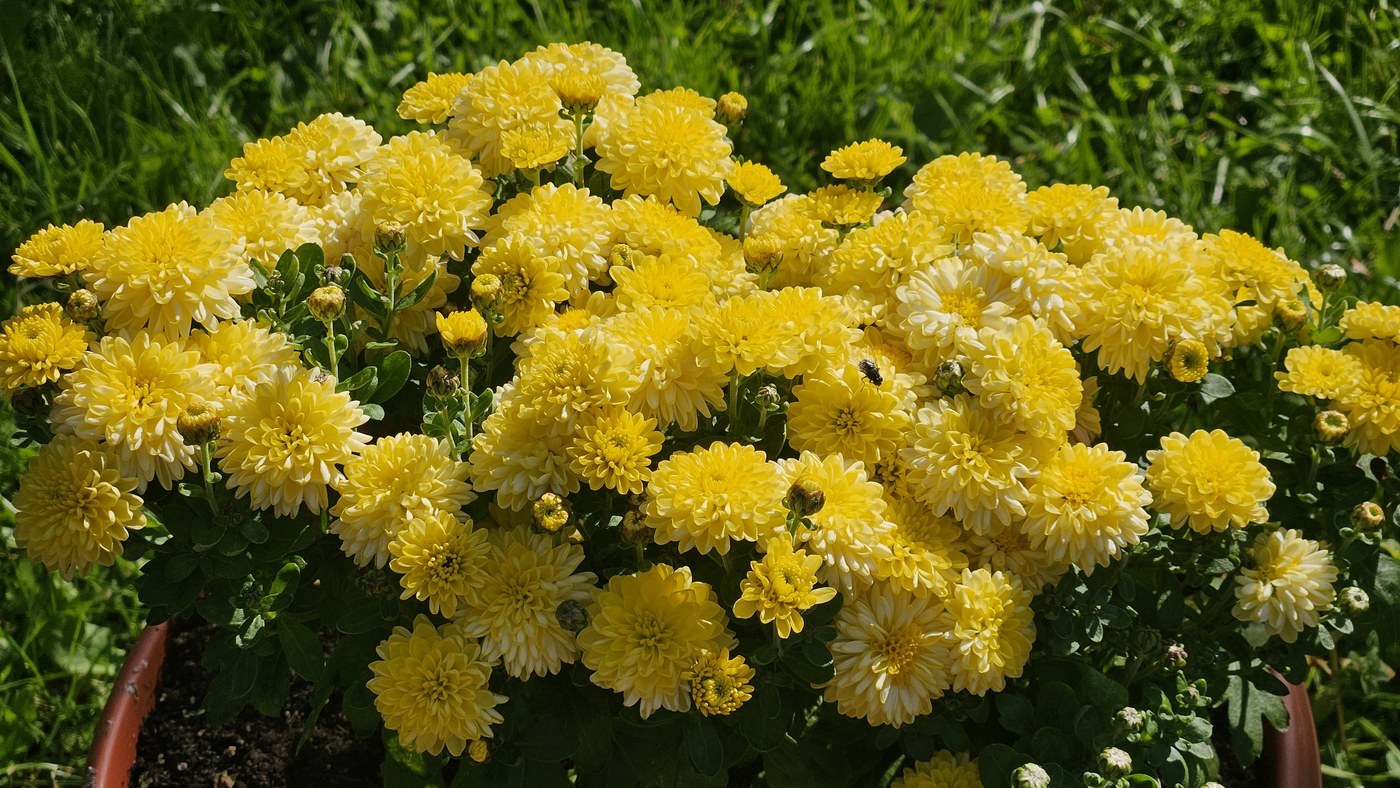
Garden chrysanthemums (Chrysanthemum morifolium) are the classic mums of autumn, forming rounded mounds smothered in daisy, pompon, or spider-form blooms in a huge range of colors. Grown well, they deliver a spectacular late-season display and, with the right care, can return year after year.
Light
Give chrysanthemums full sun, at least six hours a day, for compact, sturdy plants and abundant flowers. Insufficient light produces leggy, sparse growth that flops and blooms poorly. Because mums set buds in response to shortening days, keep them away from bright nighttime artificial light, which can delay or disrupt flowering.
Water
Keep the soil evenly moist, watering regularly and never letting the plant wilt, as mums have shallow roots that dry out quickly. Water at the base to keep the foliage dry and reduce disease, and mulch to conserve moisture. Avoid waterlogging, which causes root rot. Consistent moisture during budding and bloom is key to a full, long-lasting show.
Soil & Potting
Plant in rich, fertile, well-drained soil with plenty of organic matter. Good drainage is essential, since mums resent soggy ground, especially over winter. In containers, use a quality potting mix and ensure the pot drains freely.
Humidity & Temperature
Mums prefer moderate temperatures and cooler autumn weather, which actually intensifies flower color and prolongs bloom. Good air circulation helps prevent the foliar diseases that thrive in humid, crowded conditions. Cool nights in fall bring out their best.
Feeding
Feed regularly during active growth in spring and summer with a balanced fertilizer to fuel the heavy autumn bloom. Stop feeding once buds show color and as flowering begins. For plants kept as perennials, resume feeding the following spring when new growth appears.
Propagation
Propagate by division in spring every couple of years to keep clumps vigorous, or take basal stem cuttings from new spring growth, which root readily. Dividing also rejuvenates old, woody centers and multiplies your favorite colors.
Repotting / Pruning
The most important task is pinching: from late spring, remove the growing tips every few weeks until midsummer to build a dense, well-branched mound covered in buds. Stop pinching by around midsummer so flower buds can form. Deadhead spent blooms to prolong the display. Cut plants back after flowering, and repot container mums into fresh mix as needed.
Common Problems & Pests
Aphids, spider mites, thrips, and leaf miners are common pests; leaf spot, powdery mildew, and rust are the main diseases, all favored by wet foliage and poor airflow. Water at the base, space plants well, and remove affected leaves. Leggy, floppy growth usually means too little light or missed pinching. Poor winter drainage is the top killer of perennial mums.
Seasonal Care Tips
Plant in spring so roots establish well before the plant's energy goes into fall bloom. Pinch through early summer, feed during active growth, and water steadily. Enjoy the display through autumn, deadheading as you go. In cold regions, leave the top growth on over winter and mulch the crown for insulation, cutting back and cleaning up in spring as new shoots emerge.
Frequently asked questions
How do I make my mums bushy and full?
Pinch them. Starting in late spring, remove the growing tips of each stem every few weeks until about midsummer. This forces branching and creates a dense, rounded mound covered in buds. Stop pinching by midsummer so flower buds can develop.
Will my chrysanthemum come back next year?
Garden mums can be perennial in many climates if planted in spring, given full sun and well-drained soil, and protected over winter. The biggest cause of loss is soggy winter soil, so ensure sharp drainage and mulch the crown in cold regions.
Why isn't my mum blooming?
Mums bud in response to shorter days, so bright artificial light at night can delay flowering. Too much shade or over-pinching late in the season also reduces bloom. Give full sun, stop pinching by midsummer, and keep the plant out of nighttime light.
How often should I water chrysanthemums?
Keep the soil consistently moist. Mums have shallow roots and wilt quickly if they dry out, especially in containers and during budding. Water at the base regularly, mulch to hold moisture, but avoid waterlogging the soil.
Chrysanthemum identified by the community
Recent Chrysanthemum specimens identified with Plant Identifier.