Chrysanthemum
Chrysanthemum morifolium
A classic autumn-blooming perennial with dense, colorful flower heads in countless forms. Mums are a staple of fall displays and a major cut flower worldwide.
- Light
- Full sun
- Water
- Regular; keep evenly moist
- Difficulty
- Easy
Got a plant like this?
Identify any plant from a photo, free.
Overview
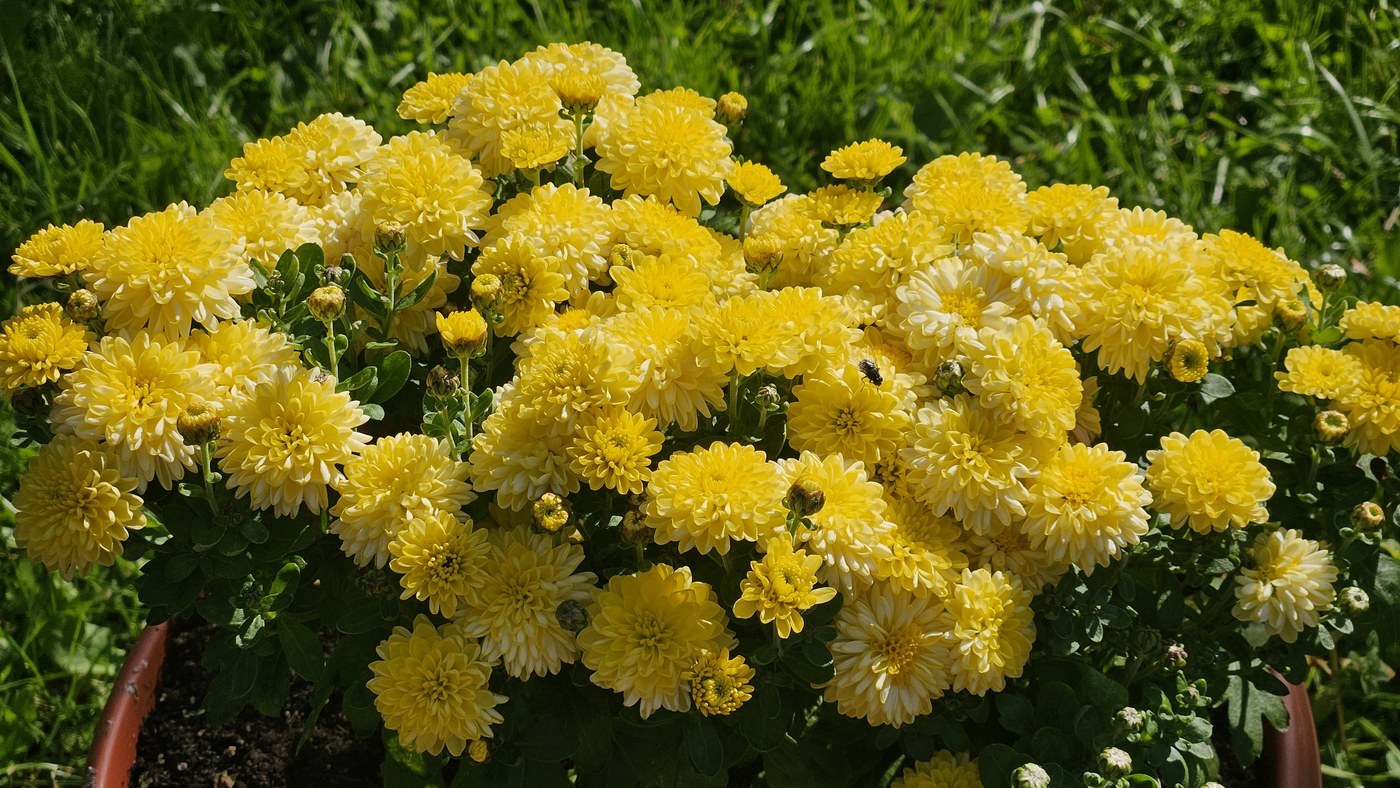
Chrysanthemums, affectionately called mums, are bushy perennials famous for their profuse, late-season blooms that bring color to gardens as summer fades into autumn.
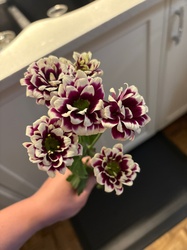
Centuries of breeding have produced an enormous range of flower forms, from simple daisy-like single blooms to dense pompoms, spiders, and football-like heads, in nearly every warm color.
They are both a beloved garden and container plant for fall and one of the most important commercial cut flowers globally, with deep cultural roots in East Asia.
How to identify it
Recognize a chrysanthemum by:
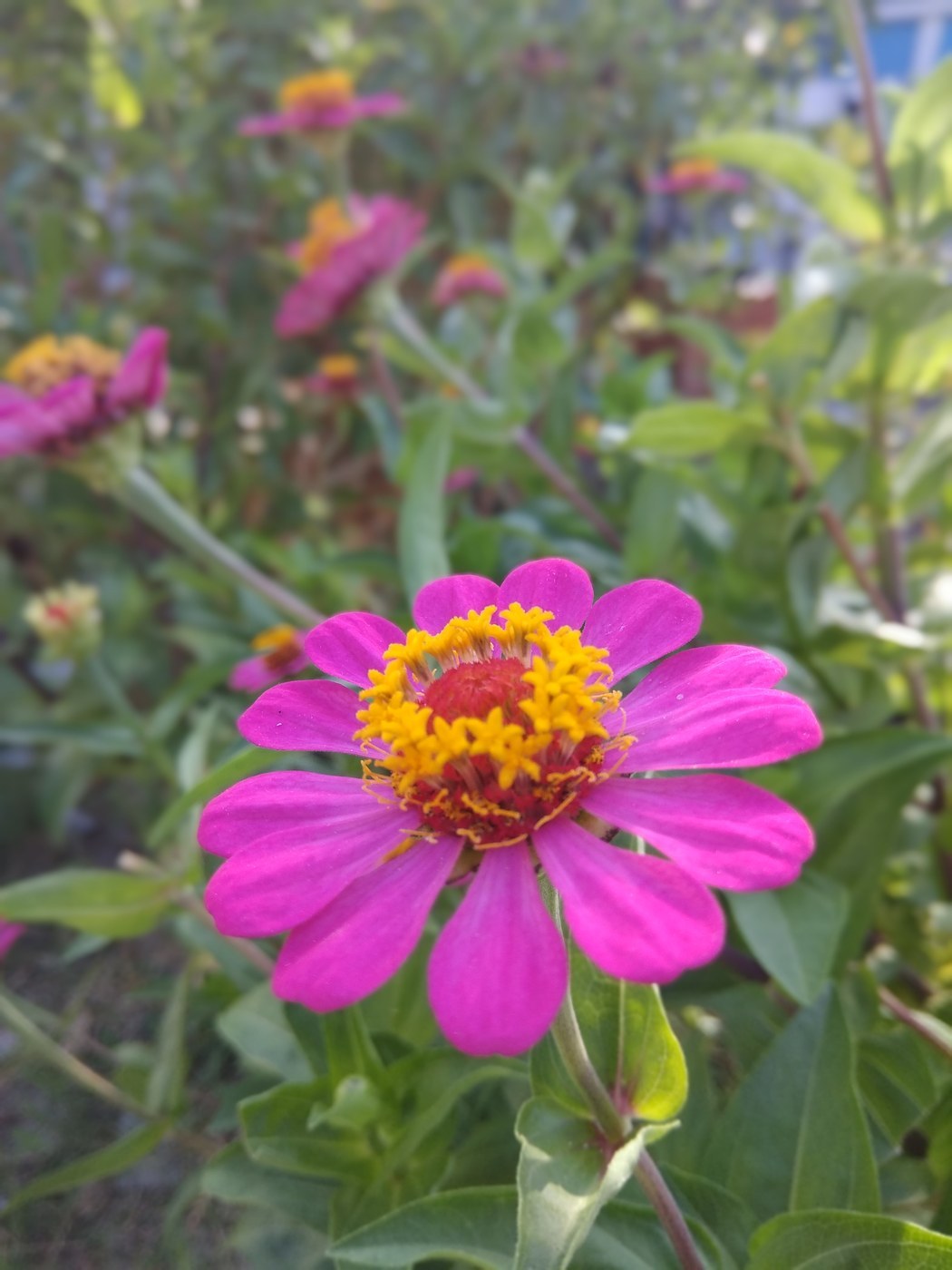
- Flowers: Composite heads in many forms (daisy, pompom, spider, decorative) and colors, blooming mainly in autumn.
- Foliage: Lobed, aromatic, medium-green leaves with a distinctive scent when crushed.
- Habit: Bushy, mounded perennial usually 1-3 feet tall.
- Bloom trigger: A short-day plant that flowers as nights grow longer in late summer and fall.
- Stems: Branching, somewhat woody at the base in mature plants.
Care & growing
Mums are easy with sun and regular moisture.
- Light: Full sun for compact growth and abundant flowering.
- Water: Water regularly to keep soil evenly moist, especially while budding; avoid wetting foliage.
- Soil: Fertile, well-drained soil rich in organic matter.
- Temperature: Hardy garden mums tolerate cold; florist types are less hardy.
- Feeding: Feed during the growing season; pinch stems in early summer for bushier, more floriferous plants.
- Propagation: Propagate by division in spring or from basal cuttings.
Habitat & origin
Garden chrysanthemums derive from species native to East Asia, especially China, where they have been cultivated for over 2,000 years, and Japan, where they are a national symbol.
Now grown worldwide, they are a fixture of autumn gardens, container displays, and the global cut-flower trade. In parts of Europe they are strongly associated with remembrance and cemeteries.
Frequently asked questions
Will my potted fall mum survive winter?
Garden (hardy) mums planted early in the season can overwinter in many climates, but mums sold as decorative fall pots are often less hardy and may not return.
Why should I pinch my mums?
Pinching the stem tips in early summer encourages branching, producing bushier plants with far more flowers in autumn.
Why do mums bloom in fall?
Chrysanthemums are short-day plants that initiate flowering as nights lengthen, which is why they naturally bloom in late summer and autumn.
Chrysanthemum guides
In-depth guides for identifying, growing, and caring for Chrysanthemum.
How to Care for Chrysanthemum
Chrysanthemums are sun-loving autumn stars; give them full sun, steady moisture, and pinching for mounds of long-lasting fall color.
Chrysanthemum Identification Guide
Identify chrysanthemums by their dense, many-formed flower heads, aromatic lobed gray-green leaves, and bushy autumn-blooming growth.
Chrysanthemum identified by the community
Real specimens identified with Plant Identifier.