Chrysanthemum Identification Guide
Identify chrysanthemums by their dense, many-formed flower heads, aromatic lobed gray-green leaves, and bushy autumn-blooming growth.
Read the full Chrysanthemum encyclopedia entry →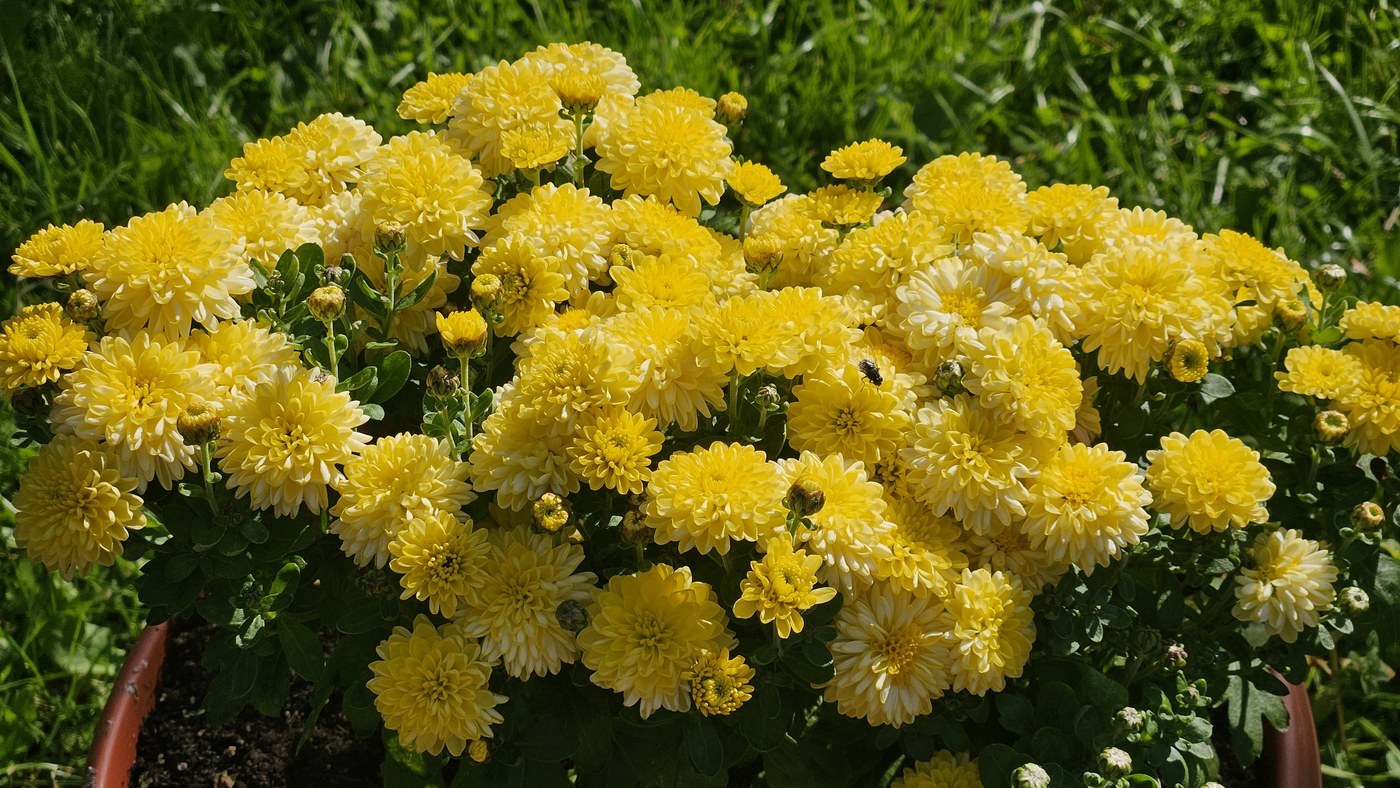
Key Identifying Features
Chrysanthemums (Chrysanthemum / Dendranthema) are aster-family perennials famous for fall color. Identify them by:
- Dense flower heads in many forms (daisy-like, pompon, button, spider, spoon) in autumn colors
- Aromatic, lobed gray-green leaves with a distinctive herbal scent when crushed
- A bushy, mounded habit with many branching stems
- Flowers that are composite heads of ray and disk florets, often crowded with overlapping rays
- Peak bloom in late summer through autumn (short-day flowering)
Leaves & Stems
Chrysanthemum leaves are alternate, ovate, and deeply lobed or coarsely toothed, often with a slightly grayish or downy underside and a pungent, sharp herbal aroma when rubbed. The leaf shape is frequently compared to an oak or feather. Stems are firm, becoming woody at the base in older plants, and branch heavily to form a rounded, leafy mound typically 30-90 cm tall. The aromatic foliage is a quick way to separate mums from look-alike daisies.
Flowers & Fruit
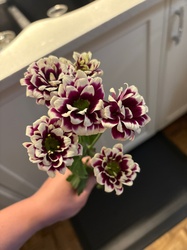
Each 'flower' is a composite head within green bracts. Forms vary enormously: single/daisy types show one or two rings of ray florets around a central disk; decorative, pompon, and button types pack the head fully with ray florets hiding the disk; spider and spoon types have quill-like or spoon-tipped rays. Colors span yellow, gold, bronze, red, pink, white, and purple. Because mums are short-day plants, they bloom as nights lengthen in autumn. Fertile florets produce small dry achenes.
How to Tell It Apart from Look-Alikes
- Asters bloom in fall too but have narrower, mostly unlobed leaves and many slender ray florets in blue, purple, and pink, with little leaf scent.
- Shasta and oxeye daisies have white rays and a yellow disk with non-aromatic, simpler leaves and bloom mainly in summer.
- Dahlias have larger, fleshier tuberous-rooted plants with compound smooth leaves and no herbal scent.
- The mum signature is aromatic lobed gray-green leaves on a dense mound topped by many crowded autumn flower heads.
Where You'll Find It
Chrysanthemums are grown in gardens, borders, and as potted 'fall mums' worldwide, and are a major cut-flower crop. They prefer full sun and rich, well-drained soil, and their autumn flowering makes them a staple of seasonal displays.
Quick ID Checklist
- Dense flower heads in varied forms (daisy, pompon, spider, etc.)
- Autumn bloom season
- Lobed, gray-green aromatic leaves
- Sharp herbal scent when foliage is crushed
- Bushy, mounded, well-branched habit
- Composite heads of ray and disk florets
A bushy fall-blooming mound with aromatic lobed leaves and many crowded flower heads is the classic chrysanthemum.
Frequently asked questions
How do I tell a chrysanthemum from an aster?
Crush a leaf: chrysanthemums have lobed, aromatic gray-green foliage, while asters have narrower, mostly unscented leaves and many thin ray florets, typically in blue or purple.
Why do mums bloom in the fall?
Chrysanthemums are short-day plants, meaning they flower as nights grow longer in late summer and autumn. Commercial growers can trick them into blooming early by controlling light exposure.
Are all those flower shapes really one type of plant?
Yes. Chrysanthemums come in many recognized flower forms, including daisy, decorative, pompon, button, spider, and spoon, all variations within the same genus.
What does a chrysanthemum leaf smell like?
The lobed leaves give off a sharp, pungent herbal or slightly bitter scent when rubbed, a quick way to distinguish mums from scentless daisies and asters.
Chrysanthemum identified by the community
Recent Chrysanthemum specimens identified with Plant Identifier.