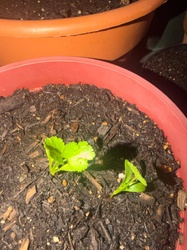
How to Care for Cilantro
Grow cilantro (Coriandrum sativum), a fast, cool-season annual herb that thrives in bright light with steady, even moisture.
Read the full Cilantro encyclopedia entry →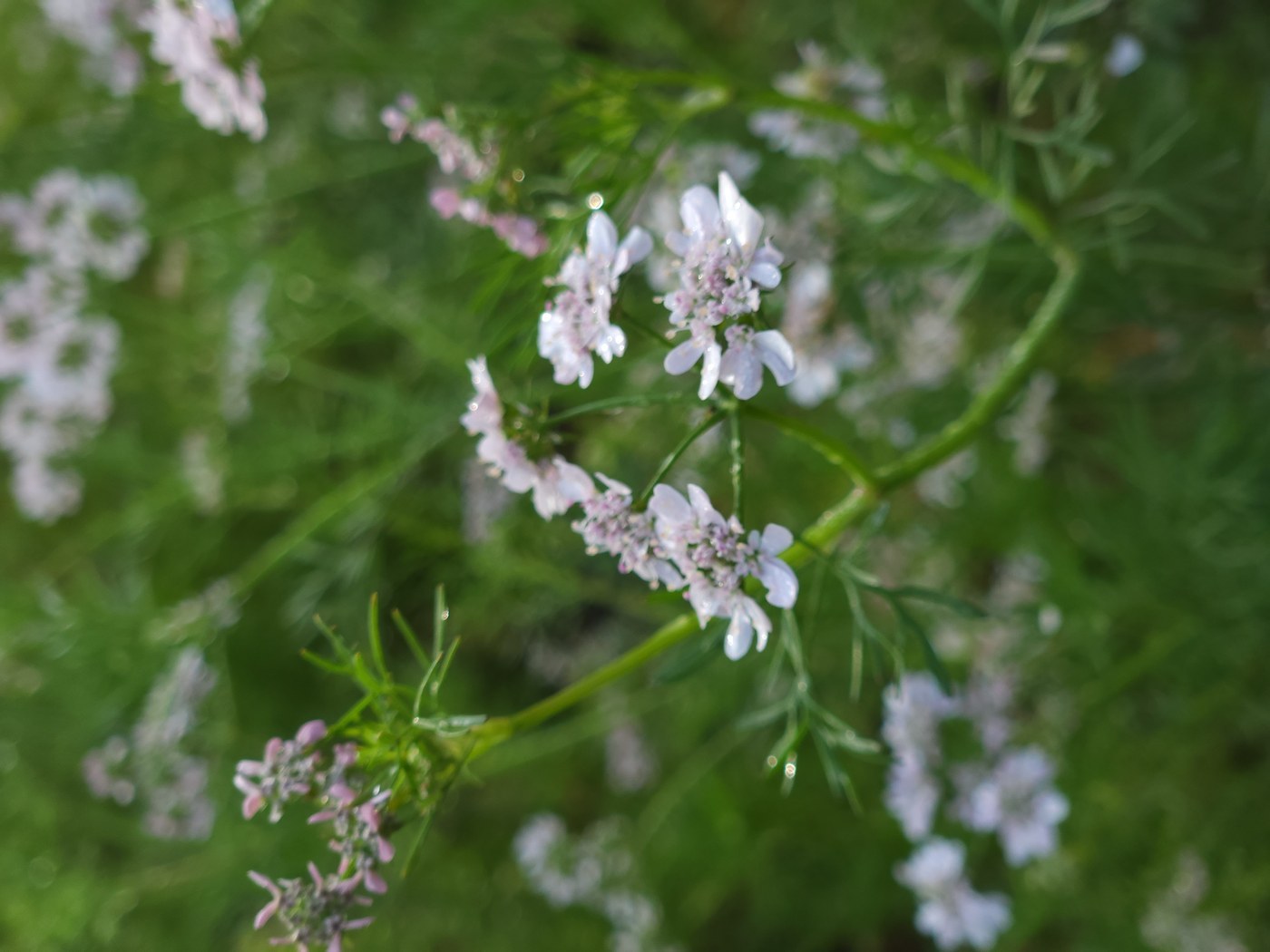
Cilantro (Coriandrum sativum) is a fast-growing, cool-season annual herb with lacy, aromatic foliage. It grows quickly and easily but is prone to bolting, sending up flower stalks in heat, so the key to keeping it lush is cool conditions, steady moisture, and successive plantings.
Light
Cilantro grows in full sun to part shade. In cool weather it thrives in full sun, but during warmer periods a spot with afternoon shade helps keep it leafy and slows bolting. Bright light overall keeps growth compact and healthy without pushing it to flower too soon.
Water
Water regularly to keep the soil evenly moist. Cilantro dislikes drying out, and dry, stressed plants bolt faster. Aim for consistent moisture without waterlogging, watering at the base to keep foliage dry. Even, reliable watering is one of the best ways to prolong healthy leafy growth.
Soil & Potting
Use loose, well-draining soil enriched with organic matter. Cilantro develops a taproot and prefers not to be transplanted, so sow it where it will grow. In containers, use a deep pot to accommodate the root and a quality potting mix. Good drainage prevents the roots from sitting soggy.
Humidity & Temperature
Cilantro is a cool-season herb that performs best in mild temperatures. Heat is its main enemy, triggering rapid bolting. It has no special humidity needs. Grow it in the cooler parts of the year, or in the cool of spring and autumn, to enjoy the longest leafy season.
Feeding
Feed lightly with a balanced fertilizer during active growth. Cilantro is not a heavy feeder, and excess fertilizer can produce weak, floppy growth. A modest feeding or compost-enriched soil is usually enough to sustain its quick life cycle.
Propagation
Cilantro is grown from seed, sown directly into the ground or container because it resents root disturbance. Sow small batches every few weeks for a continuous supply, since each planting is short-lived. Seeds germinate reliably in cool, moist soil.
Repotting / Pruning
As a short-lived annual with a taproot, cilantro is not repotted. Pinch or trim the outer foliage to encourage bushier growth and delay flowering. Once it begins to bolt and send up flower stalks, growth of new leafy foliage slows and the plant nears the end of its cycle.
Common Problems & Pests
The most common frustration is bolting, driven by heat and stress; combat it with cool conditions, steady moisture, and successive sowings. Aphids can cluster on tender growth, and powdery mildew may appear in crowded, damp, poorly ventilated plantings. Space plants for airflow and keep watering even to minimize issues.
Seasonal Care Tips
Grow cilantro in the cool of spring and autumn for the best results, avoiding the peak heat of summer when it bolts almost immediately. Sow fresh batches every two to three weeks for a steady supply. As weather warms, provide afternoon shade and keep the soil consistently moist to stretch the leafy phase as long as possible.
Frequently asked questions
Why does my cilantro flower and go to seed so quickly?
This is bolting, triggered mainly by heat and stress. Grow it in cool weather, keep the soil evenly moist, provide afternoon shade in warmth, and sow fresh batches often.
Can I transplant cilantro seedlings?
It is best not to. Cilantro forms a taproot and resents root disturbance, so sow seeds directly where the plants will grow, whether in the ground or a deep container.
How do I get a continuous supply of cilantro?
Sow small batches every two to three weeks. Because each planting is short-lived and prone to bolting, successive sowings keep fresh leafy plants coming.
Does cilantro need full sun?
It grows in full sun to part shade. In cool weather full sun is fine, but during warm spells some afternoon shade helps keep it leafy and slows bolting.
Cilantro identified by the community
Recent Cilantro specimens identified with Plant Identifier.