Cilantro
Coriandrum sativum
A fast-growing aromatic annual herb grown in gardens worldwide. Its finely divided foliage is known as cilantro and its small round seeds as coriander.
- Light
- Full sun to part shade
- Water
- Regular; keep evenly moist
- Difficulty
- Easy
Got a plant like this?
Identify any plant from a photo, free.
Overview
Cilantro is a cool-season annual herb that yields two named products from one plant: the foliage, known as cilantro, and the dried seeds, known as coriander. It is an aromatic culinary herb grown in gardens around the world.
The plant grows quickly and bolts to flower and seed in heat, so successional sowing in cool weather keeps a steady supply of foliage.
How to identify it
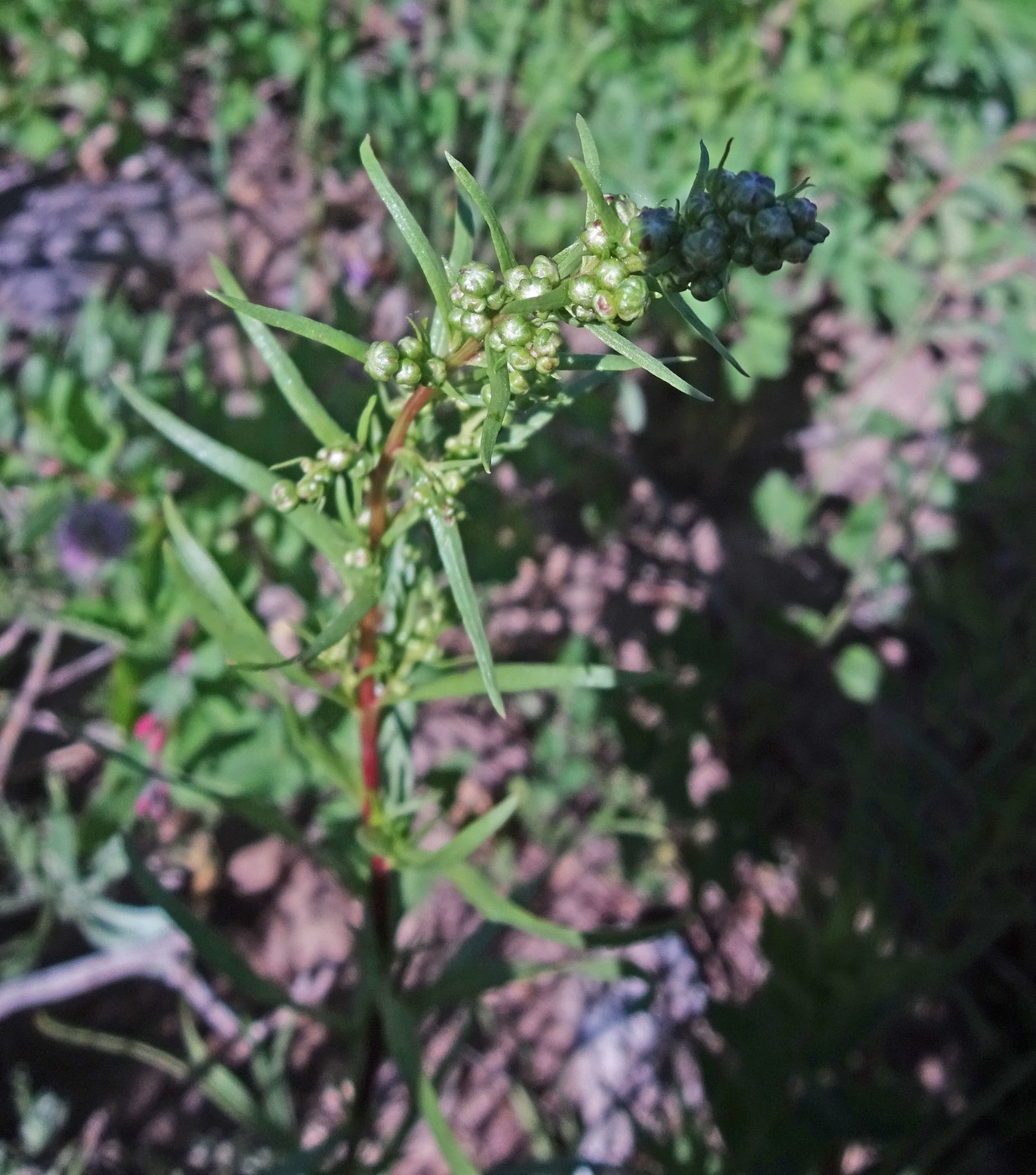
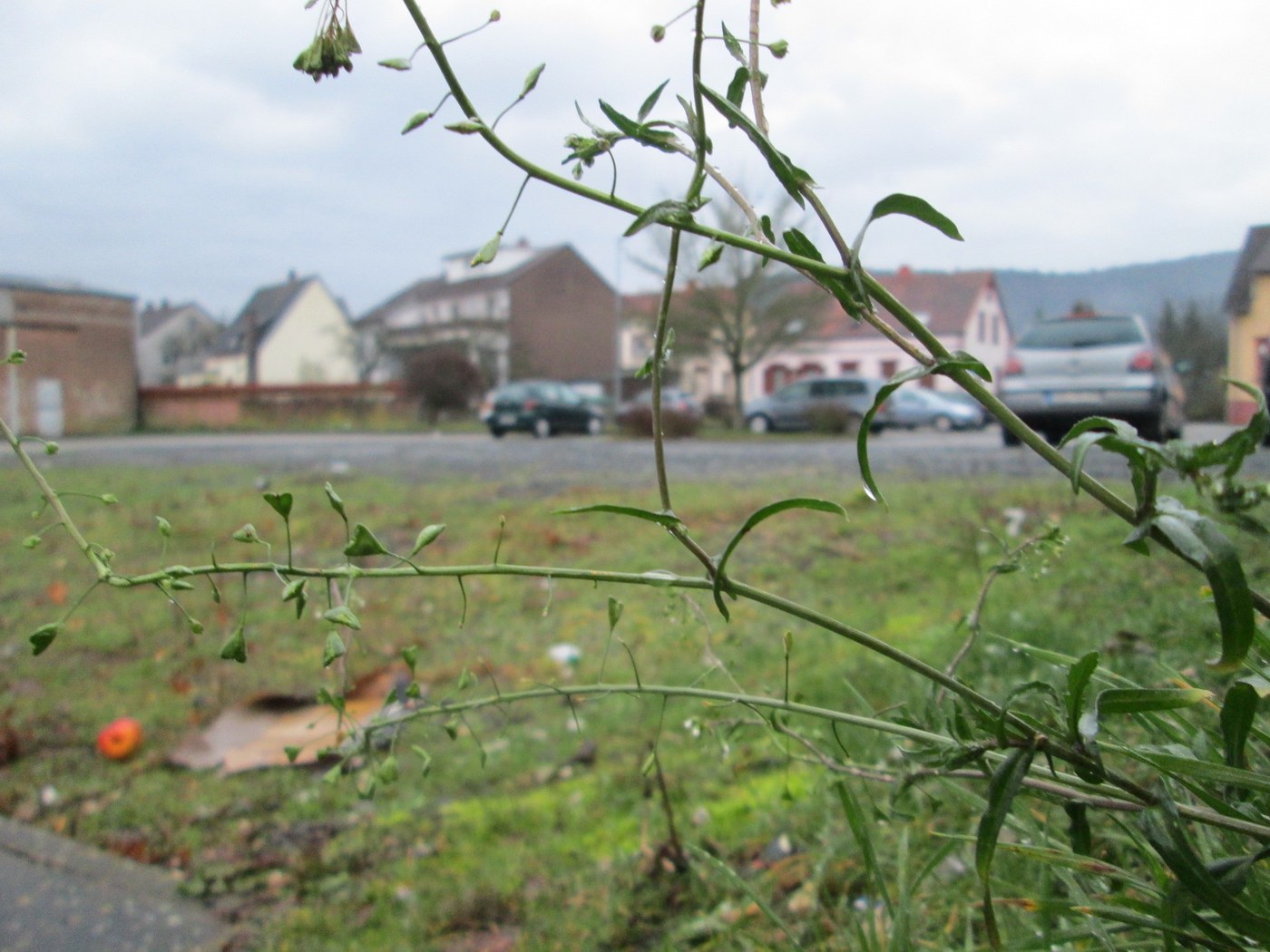
A slender, soft annual herb with a strong distinctive aroma.
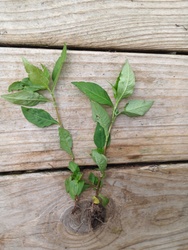
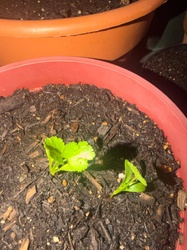
- Lower leaves: broad, rounded, and lobed, resembling flat-leaf parsley
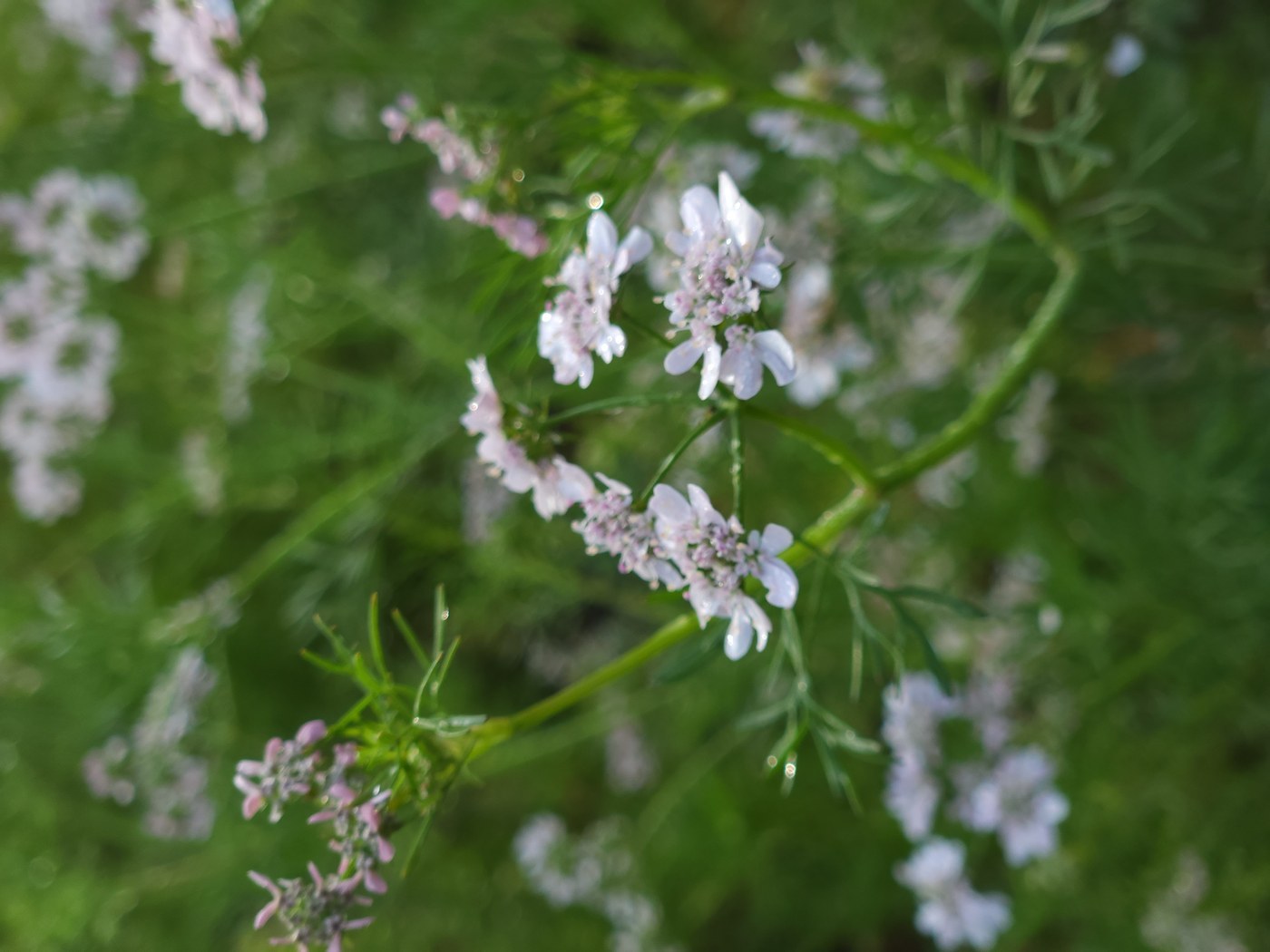
- Upper leaves: finely divided and feathery, appearing as the plant bolts
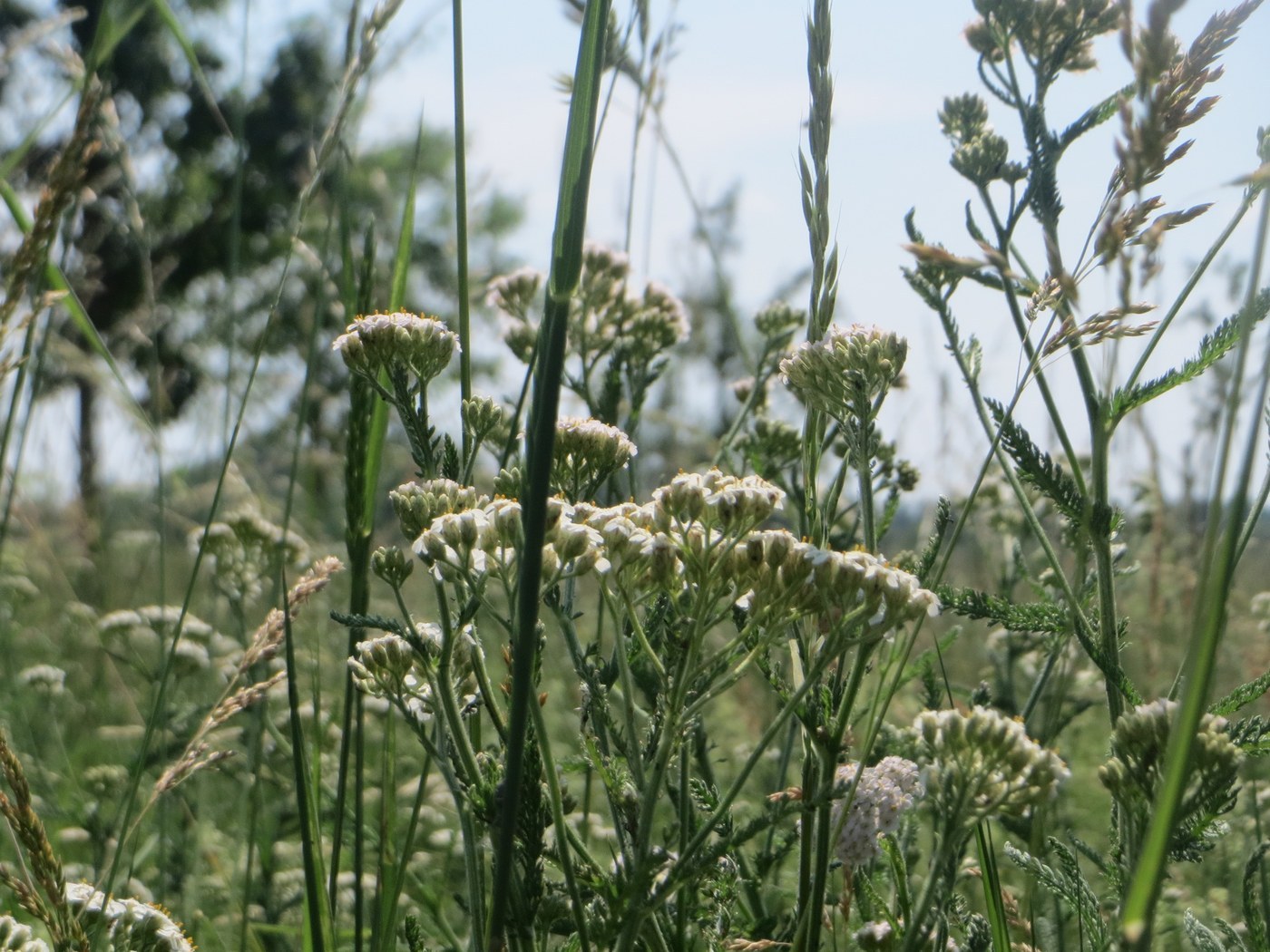
- Flowers: small white to pale pink blooms in flat-topped umbels
- Seeds: small, round, ridged, ripening from green to tan (coriander)
- Aroma: strongly and distinctively scented foliage
- Height: 30-60 cm
Care & growing
- Light: full sun in cool weather; partial shade helps slow bolting in heat
- Water: keep soil evenly moist; dryness and heat trigger premature flowering
- Soil: fertile, well-drained soil
- Temperature: a cool-season plant that bolts quickly in summer heat
- Feeding: light feeding; avoid excess nitrogen
- Propagation: sow seed directly, as it resents transplanting; sow in succession every few weeks for a continuous supply of foliage
Habitat & origin
Coriandrum sativum is native to a region spanning southern Europe, North Africa, and southwestern Asia, and has been cultivated for thousands of years.
It is now grown worldwide and in home gardens. It grows best in the cool parts of the season and in regions with mild temperatures, while heat causes it to flower and set seed rapidly.
Frequently asked questions
Are cilantro and coriander the same plant?
Yes. Cilantro usually refers to the fresh leaves and coriander to the dried seeds of the same plant, Coriandrum sativum.
Why does my cilantro flower so quickly?
Heat and dryness cause it to bolt; sow in cool weather, keep it moist, and sow successionally for a steady supply of foliage.
Can I let cilantro go to seed?
Yes. If left, it forms ridged seedheads (coriander), and some seeds will fall to self-sow the next generation of plants.
How do I recognize cilantro?
Look for broad, lobed lower leaves resembling flat-leaf parsley, finely divided feathery upper leaves, small white to pink umbel flowers, and a strong distinctive aroma.
Cilantro guides
In-depth guides for identifying, growing, and caring for Cilantro.
How to Care for Cilantro
Grow cilantro (Coriandrum sativum), a fast, cool-season annual herb that thrives in bright light with steady, even moisture.
Cilantro Identification Guide
Identify cilantro by its lacy lower leaves, ferny upper leaves, pungent scent and flat clusters of tiny white flowers. This guide explains its two leaf forms and look-alikes.
Cilantro identified by the community
Real specimens identified with Plant Identifier.