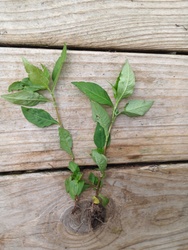
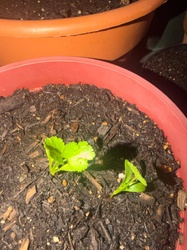
Cilantro Identification Guide
Identify cilantro by its lacy lower leaves, ferny upper leaves, pungent scent and flat clusters of tiny white flowers. This guide explains its two leaf forms and look-alikes.
Read the full Cilantro encyclopedia entry →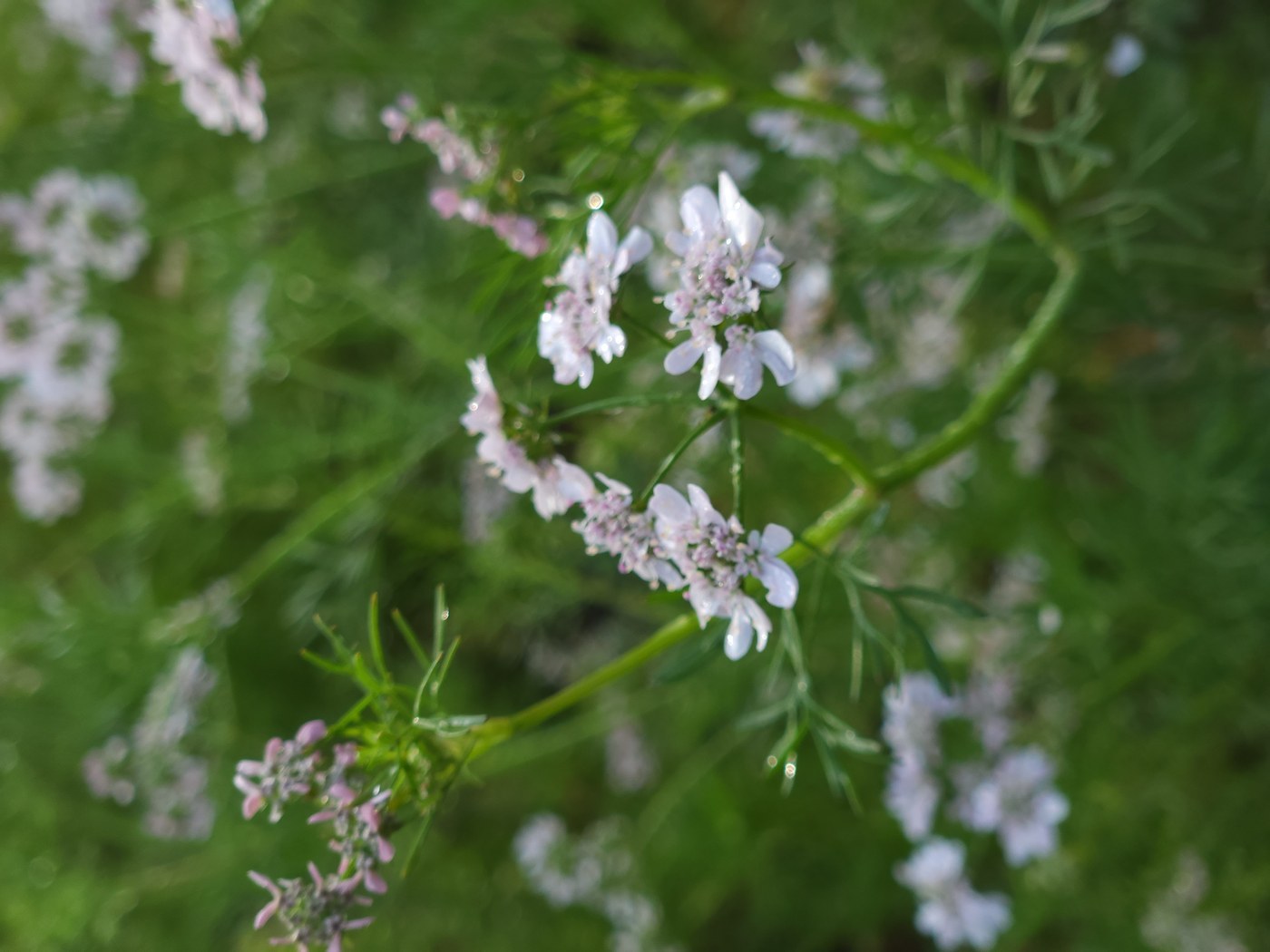
Key Identifying Features
Cilantro / coriander (Coriandrum sativum) is an aromatic annual herb in the carrot family.
- Aroma: a strong, distinctive pungent, citrusy-soapy scent when leaves are crushed (key ID trait; some people find it soapy)
- Lower leaves: broad, rounded, fan-shaped lobes with scalloped edges (parsley-like)
- Upper leaves: finely divided, feathery and thread-like, very different from the lower ones
- Flowers: tiny white to pale pink flowers in flat-topped umbels (umbrella-like clusters)
- Height: 30-60 cm when flowering
Leaves & Stems
A hallmark of cilantro is its two leaf shapes on one plant: the young basal leaves are broad with rounded, toothed lobes (like flat-leaf parsley), while as the plant bolts the upper leaves become finely cut and ferny. Leaves are bright green, soft and alternate, attached by sheathing leaf bases. Stems are hollow, round, ridged and smooth (hairless), branching upward. The plant bolts quickly in heat.
Flowers & Fruit
Flowers form compound umbels typical of the carrot family (Apiaceae): small clusters radiating from a point. Outer flowers often have slightly larger, unequal petals. After bloom, the plant forms round, ribbed seeds (coriander) that turn from green to tan. The umbel flower form and round seeds are strong confirmations.
How to Tell It Apart from Look-Alikes
- Flat-leaf parsley (Petroselinum): very similar broad leaves, but parsley smells fresh and grassy (not soapy-citrus) and lacks the feathery upper leaves
- Culantro (Eryngium foetidum): long, spiny-edged single leaves in a rosette
- Hemlock (Conium maculatum): also has ferny leaves and white umbels but has purple-blotched stems and a musty mousy smell, and grows much taller (to 2 m)
- Fool's parsley / wild carrot: ferny umbel plants; check scent and stem markings carefully
The soapy-citrus scent + two distinct leaf forms + hollow ridged hairless stems + flat white umbels + round seeds confirm cilantro.
Where You'll Find It
Native to the Mediterranean and southwest Asia, cilantro is grown worldwide in vegetable and herb gardens, pots and windowsills. It prefers cool weather and full sun to light shade, bolting to flower and seed in summer heat. It can self-seed and naturalize in mild areas.
Quick ID Checklist
- Pungent citrusy-soapy aroma when crushed
- Broad scalloped lower leaves AND ferny upper leaves on one plant
- Hollow, round, ridged, hairless stems
- Flat-topped umbels of tiny white/pink flowers
- Round, ribbed seeds (coriander)
- Cool-season annual that bolts in heat
Frequently asked questions
Why do cilantro leaves look different on the same plant?
Young basal leaves are broad with rounded scalloped lobes, while the upper leaves that appear as the plant bolts are finely divided and feathery; both forms on one plant are a strong ID clue.
How do I tell cilantro from flat-leaf parsley?
Crush a leaf: cilantro has a pungent citrusy-soapy scent and produces feathery upper leaves, while parsley smells fresh and grassy and keeps broad leaves throughout.
Where does cilantro grow?
Cilantro is native to the Mediterranean and southwest Asia and is grown in vegetable and herb gardens, pots, and on windowsills, preferring cool weather and full sun to light shade.
Are cilantro and coriander the same plant?
Yes, cilantro refers to the leaves and coriander to the round ribbed seeds of the same plant, Coriandrum sativum.
Cilantro identified by the community
Recent Cilantro specimens identified with Plant Identifier.