
How to Care for Clarkia
Grow Clarkia (godetia): an easy cool-season annual with satiny cup-shaped blooms that loves full sun and lean, well-drained soil.
Read the full Clarkia encyclopedia entry →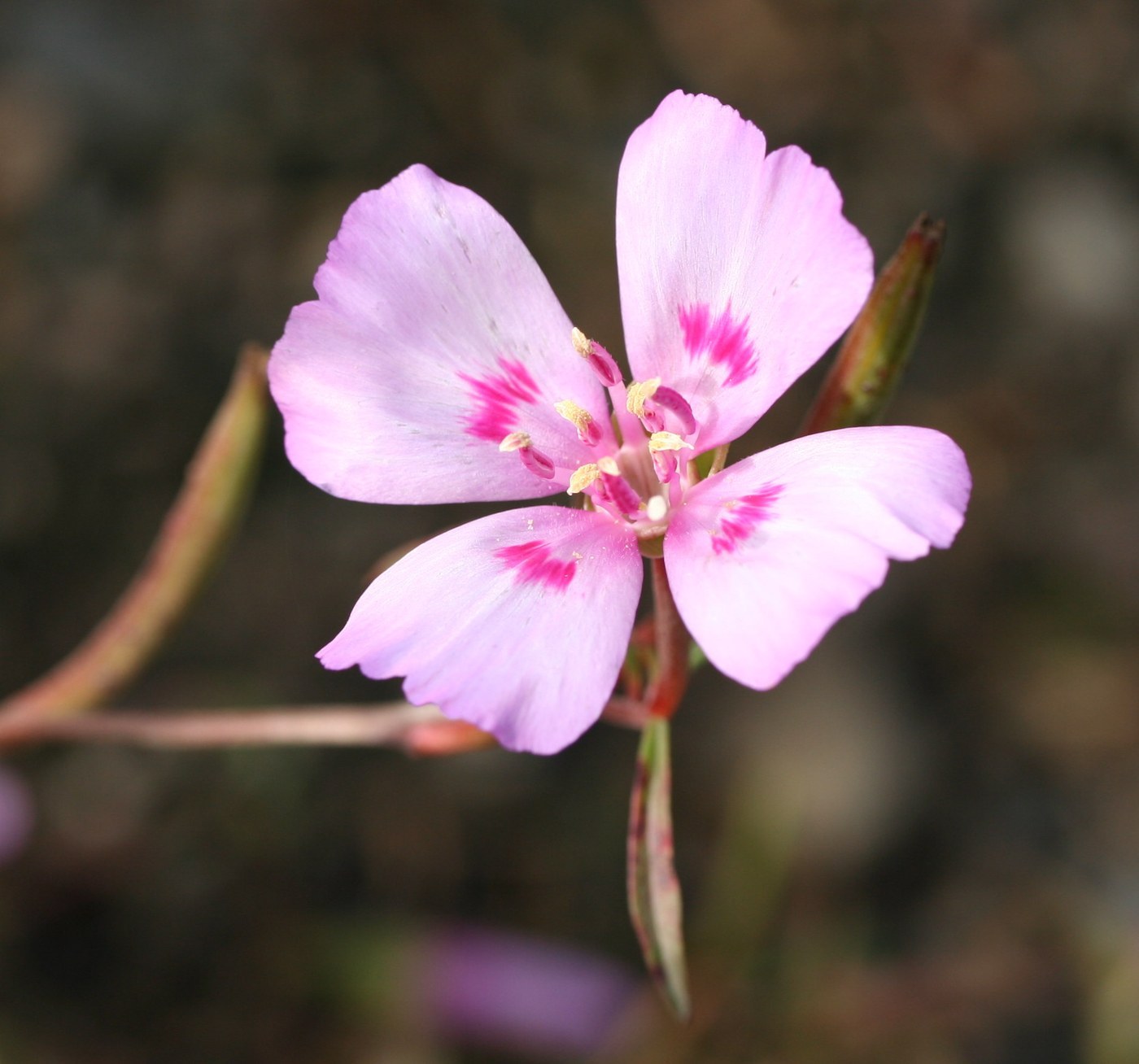
Clarkia (Clarkia amoena), often called godetia or farewell-to-spring, is a cheerful cool-season annual native to the western United States. It produces masses of satiny, cup-shaped flowers in pink, salmon, lavender, and white, and it is one of the easiest hardy annuals to grow from direct-sown seed.
Light
Grow Clarkia in full sun to part shade. Full sun gives the fullest flowering and sturdiest stems, but in warm regions light afternoon shade prolongs bloom and keeps plants from fading too quickly in heat. Too much shade produces leggy, floppy growth with fewer flowers.
Water
Water moderately, letting the soil surface dry between waterings. Clarkia prefers evenly moist soil during establishment and bud formation but resents soggy conditions, which cause rot and flopping. Once established it tolerates some dryness. Avoid overhead watering late in the day to reduce disease.
Soil & Potting
This annual actually prefers lean, sandy, well-drained soil and blooms less on overly rich ground, which encourages foliage at the expense of flowers. A slightly acidic to neutral pH suits it. In containers, use a free-draining potting mix and skip heavy fertilizing. Good drainage is the single most important soil factor.
Humidity & Temperature
Clarkia is a cool-weather lover that thrives in the mild temperatures of spring and early summer, which is why it fades ("farewell-to-spring") as heat arrives. It dislikes high humidity and hot, muggy nights. In mild-winter areas it can be sown in fall for early spring bloom; in cold regions sow in early spring.
Feeding
Feed sparingly. Over-fertilizing, especially with nitrogen, produces lush leaves and few blooms. If the soil is very poor, a single light application of a low-nitrogen, bloom-oriented fertilizer at planting is plenty. On average garden soil, no supplemental feeding is needed.
Propagation
Clarkia is grown from seed and resents root disturbance, so direct sowing where it is to bloom is best. Scatter seed on prepared soil and press in lightly; it needs light to germinate, so do not bury deeply. Keep evenly moist until sprouts appear, then thin seedlings to give them room. It readily self-sows for repeat displays.
Repotting / Pruning
As a quick annual, Clarkia is not repotted in the usual sense; thin crowded seedlings instead. Pinch young plants once to encourage branching and bushier growth. Deadhead spent flowers to prolong blooming, though leaving some seed heads late in the season allows self-seeding for next year.
Common Problems & Pests
Root and stem rot from wet, heavy soil is the most common issue, so prioritize drainage. Downy or powdery mildew can appear in humid, crowded plantings; space plants for airflow. Aphids may cluster on tender shoots and buds. Tall varieties can flop and benefit from light support or a supporting web of pea sticks.
Seasonal Care Tips
Sow in fall in mild climates or as soon as soil can be worked in spring elsewhere. Enjoy peak bloom in late spring to early summer; expect plants to wind down as summer heat sets in. Let a few plants set seed to naturalize, then clear spent plants and refresh the bed.
Frequently asked questions
Why is my Clarkia all leaves and few flowers?
The soil is likely too rich or over-fertilized. Clarkia blooms best in lean, well-drained soil with little to no feeding, and needs full sun for the heaviest flowering.
Should I start Clarkia indoors or direct sow?
Direct sow where it will bloom. Clarkia resents root disturbance and transplanting, so scatter seed on the soil surface and press it in lightly since it needs light to germinate.
When does Clarkia bloom and why does it stop?
It blooms in late spring and early summer, then declines as heat arrives, which is why it is nicknamed farewell-to-spring. Light afternoon shade can extend the season a bit.
Does Clarkia come back each year?
It is an annual, but it self-sows readily. Leave some flowers to set seed and you will often get volunteer plants the following spring.