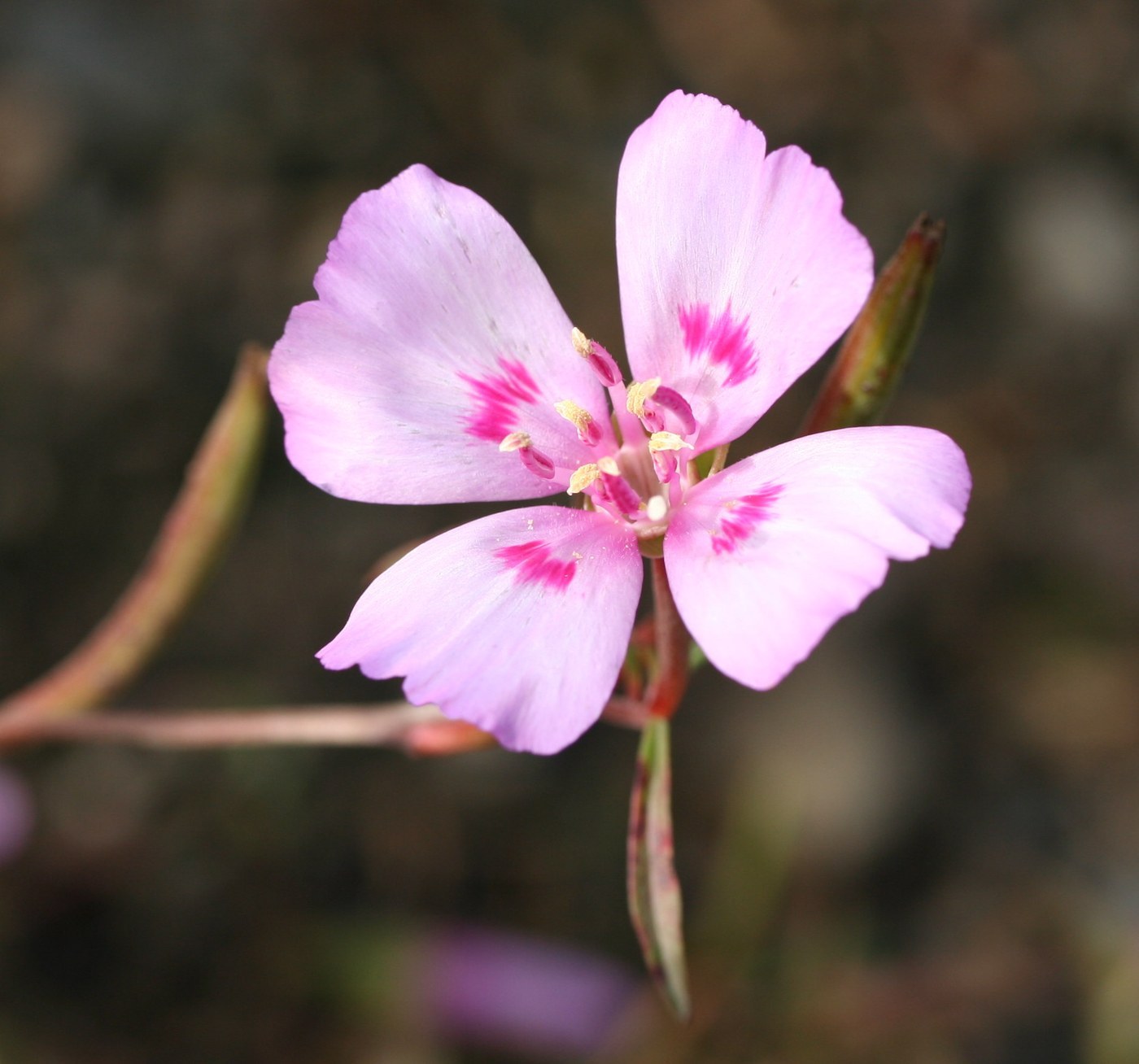
Clarkia
Clarkia amoena
A graceful western North American annual bearing satiny, cup-shaped flowers in pink, lavender, and salmon, beloved for cool-season color and as a cut flower.
- Light
- Full sun to part shade
- Water
- Moderate; let surface dry between waterings
- Difficulty
- Easy
Got a plant like this?
Identify any plant from a photo, free.
Overview
Clarkia is a genus of annuals native to western North America, with the popular garden forms derived largely from Clarkia amoena, often sold as godetia. The plants bloom in late spring and early summer, giving rise to the charming common name farewell-to-spring.
Their silky, often ruffled flowers resemble small azaleas or poppies and come in soft pastel shades. Clarkia thrives in cool weather and was named in honor of the explorer William Clark.
How to identify it
An upright to spreading annual with wand-like flowering stems.
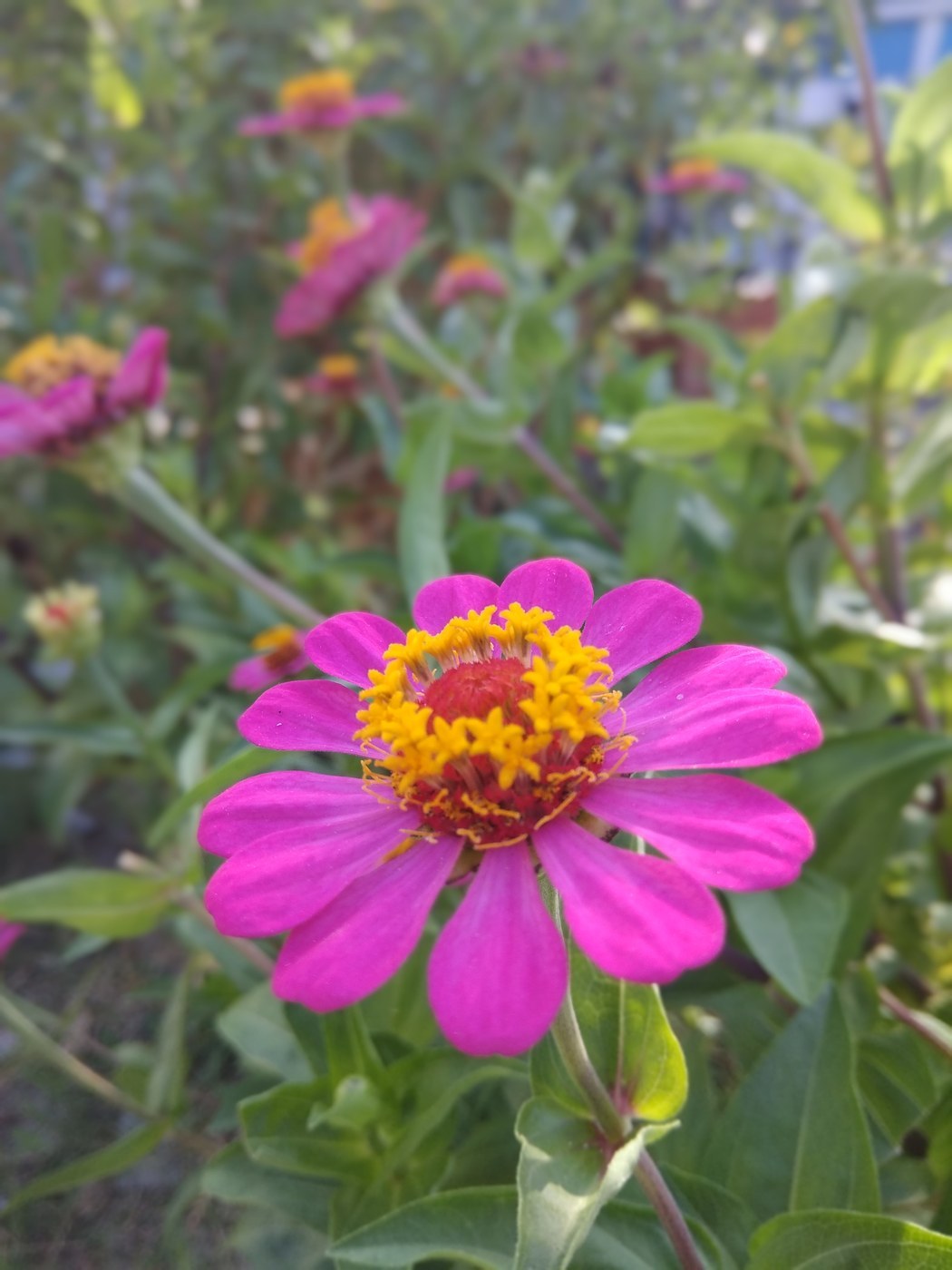
- Flowers: broad, cup- or bowl-shaped blooms 3-5 cm across with four satiny petals, often with a deeper-colored blotch or flecking
- Colors: pink, lavender, salmon, white, and red, single or double
- Buds: held in upright spikes that open in succession
- Leaves: narrow, lance-shaped, often reddish-tinged
- Height: 30-90 cm with slender, wiry stems
Care & growing
- Light: full sun in cool climates, with light afternoon shade where summers are hot
- Water: moderate and even; avoid waterlogging, which causes rot
- Soil: light, well-drained, low-fertility soil; rich soil yields foliage over flowers
- Temperature: a cool-season annual that flowers before peak summer heat and declines in high temperatures
- Feeding: little to none; over-feeding reduces blooming
- Propagation: sow seed directly in autumn or early spring; it dislikes root disturbance, so avoid transplanting
Habitat & origin
Clarkia amoena is native to coastal western North America from British Columbia to California, growing on open slopes, bluffs, and grassy hillsides.
It is adapted to a Mediterranean climate of wet winters and dry summers, blooming as the dry season begins. It is widely cultivated in temperate gardens and is a popular component of wildflower seed mixes in its native range.
Frequently asked questions
What is the difference between clarkia and godetia?
Godetia is an older name now folded into the genus Clarkia; the showy garden godetias are forms of Clarkia amoena.
Why is it called farewell-to-spring?
It blooms at the very end of spring and into early summer, signaling the close of the wildflower season in its native range.
Can I grow clarkia in hot climates?
It performs best in cool conditions; in hot regions sow early and provide afternoon shade, as heat shortens its bloom.
Should I fertilize clarkia?
Generally no. It flowers best in lean soil, and too much fertilizer produces leafy growth at the expense of blooms.
Clarkia guides
In-depth guides for identifying, growing, and caring for Clarkia.
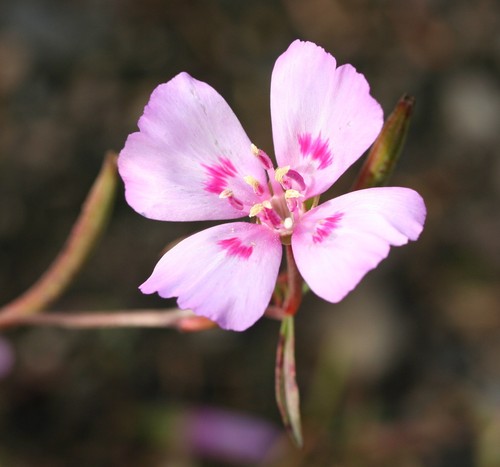
How to Care for Clarkia
Grow Clarkia (godetia): an easy cool-season annual with satiny cup-shaped blooms that loves full sun and lean, well-drained soil.
Clarkia Identification Guide
Recognize clarkia by its slender wand-like stems, four-petaled pink to lavender flowers, and reddish ribbed buds. This guide details its key traits and look-alikes.