
How to Care for Cleavers
Growing notes for cleavers (Galium aparine), the fast, clinging annual with whorled leaves and tiny hooked bristles.
Read the full Cleavers encyclopedia entry →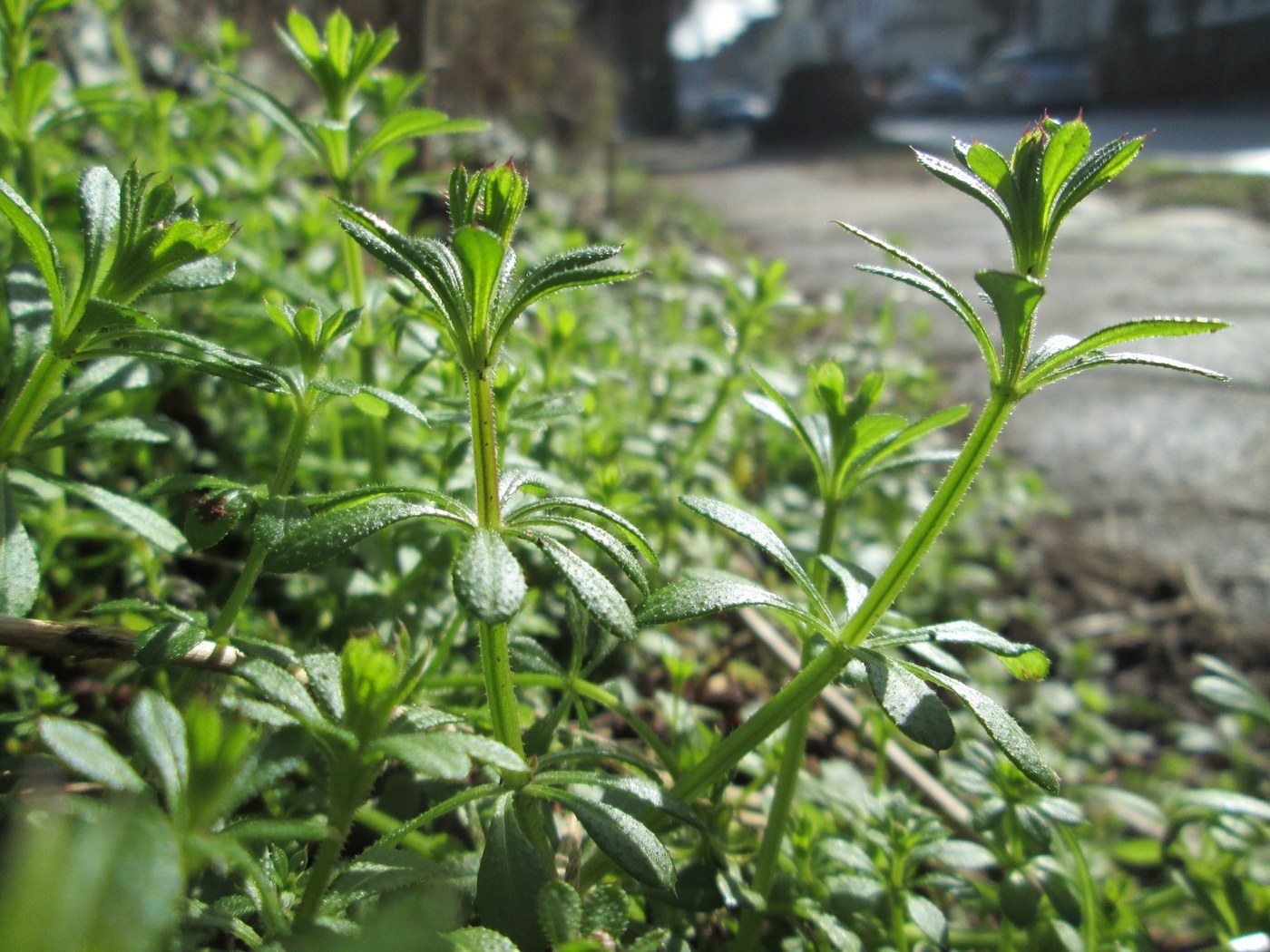
Cleavers (Galium aparine) is a fast-growing scrambling annual known for its whorls of narrow leaves and the tiny hooked bristles that let its stems cling to clothing and nearby plants. It is undemanding and vigorous, making it very easy to grow where a soft, sprawling green groundcover or wildlife-friendly plant is wanted.
Light
Cleavers is highly adaptable and grows in anything from part shade to full sun. It naturally scrambles up through hedgerows and shady margins, so it tolerates lower light well, but it also thrives in open sunny ground. In brighter positions growth tends to be sturdier and more compact.
Water
This plant prefers consistently moist ground and grows lushest where soil stays evenly damp. Water moderately and regularly, particularly in dry spells, to keep the succulent stems growing well. It is not a plant for parched conditions; sustained drought causes it to yellow and set seed prematurely.
Soil & Potting
Cleavers is not particular about soil type and grows readily in most fertile garden soils, favoring moist, humus-rich ground. Good moisture retention matters more than any special composition. In containers, a general-purpose potting mix kept damp works fine, though the sprawling habit suits open ground or a hanging arrangement where stems can trail.
Humidity & Temperature
As a temperate annual, cleavers handles cool conditions well and germinates in cool weather. It grows through spring into summer and does not need any particular humidity. It dislikes intense, prolonged heat combined with dryness, which shortens its life cycle.
Feeding
Feeding is rarely necessary; cleavers grows vigorously in ordinary fertile soil. If growth is weak in poor ground, a light dose of general-purpose fertilizer or some compost worked in at the start supports leafy growth. Avoid overfeeding, which simply produces excessive lax growth.
Propagation
Cleavers is grown from seed and self-sows freely. The hooked seeds cling to surfaces and scatter easily. Sow seed directly onto moist soil in spring; germination is quick and reliable. Because it seeds so readily, most gardeners find it maintains itself once introduced, so remove seed heads if you want to limit its spread.
Repotting / Pruning
As an annual, cleavers is not repotted long-term. You can trim or cut back the scrambling stems at any time to keep growth tidy and within bounds. Shearing back also delays flowering and prolongs the leafy phase. Pull spent plants at the end of the season.
Common Problems & Pests
Cleavers is largely trouble-free and, if anything, more likely to spread too enthusiastically than to struggle. Its clinging stems can smother smaller neighbors, so keep it away from delicate plants. Powdery mildew may appear on stressed, crowded plants in dry conditions; improving airflow and moisture helps. Its main management issue is prolific self-seeding.
Seasonal Care Tips
In spring, sow or allow seedlings to establish in moist soil. Through late spring and summer, keep the ground damp and trim stems to control spread. Remove seed heads before they ripen if you want to prevent it from self-sowing across the garden. By late summer the plant naturally completes its cycle and dies back.
Frequently asked questions
Why do cleavers stick to everything?
The stems, leaves, and seeds are covered in tiny hooked bristles that cling to clothing, fur, and other plants, which is how the seeds spread.
Does cleavers come back every year?
It is an annual that completes its cycle in one season, but it self-sows so freely that it typically reappears on its own the following year.
How do I stop cleavers from spreading too much?
Trim or pull the plants before their seed heads ripen. Removing seed before it scatters is the most effective way to keep it in check.
What growing conditions does it like best?
Moist, fertile ground in part shade to full sun. It grows lushest where the soil stays consistently damp rather than dry.