How to Care for Clematis
The queen of climbers: give clematis sunny tops, cool shaded roots, and steady moisture for spectacular vines of bloom.
Read the full Clematis encyclopedia entry →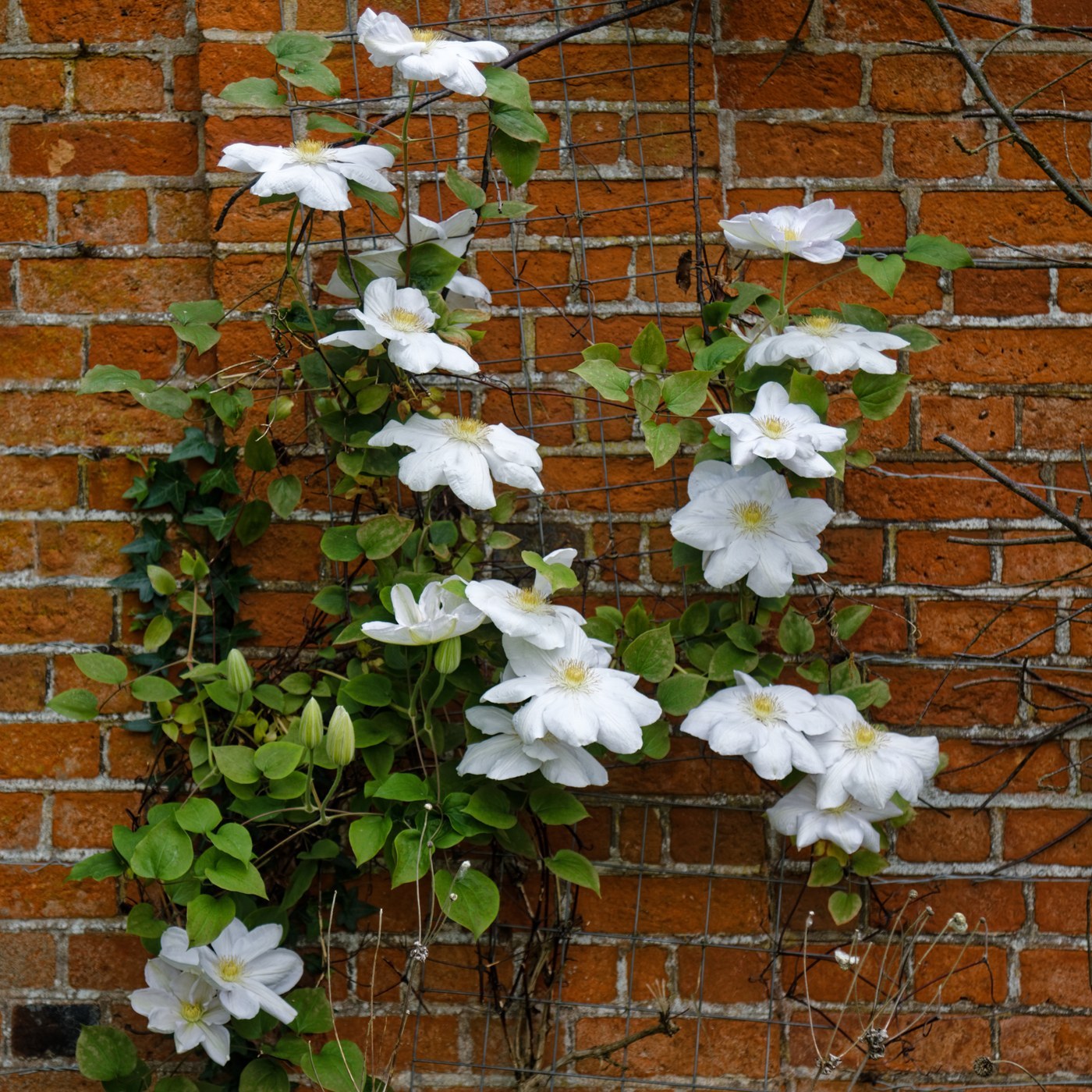
Clematis is a beloved deciduous or semi-evergreen climbing vine prized for its abundant, often large flowers in a huge range of colors. The classic rule is 'head in the sun, feet in the shade' - it wants bright light on its top growth but cool, evenly moist roots below.
Light
Most clematis flower best with full sun on their vines, ideally 6 or more hours a day, though many tolerate light afternoon shade in hot climates and some pale or bicolor varieties actually hold color better with a little shade. The critical partner to sunny tops is shaded roots: mulch heavily, plant low groundcovers at the base, or set a slab or stone over the root zone to keep the soil cool.
Water
Keep the soil evenly moist, especially through the first few years while the plant establishes. A deep, thorough weekly soak that reaches the root zone is far better than frequent shallow sprinkles. In hot, dry spells water more often, and never let an establishing plant dry out completely. Good moisture plus cool roots is the foundation of heavy flowering, but avoid waterlogged soil, which rots the crown.
Soil & Potting
Clematis wants rich, fertile, well-draining soil that stays moist but never soggy. Dig in plenty of compost or well-rotted organic matter at planting. Unusually, clematis is often planted a couple of inches deeper than it sat in its nursery pot, burying the lower node, which helps the plant recover if the top is ever damaged. In containers use a large, deep pot with a loam-based mix and consistent watering, since pots dry out fast.
Humidity & Temperature
Clematis is a temperate plant that thrives in cool-to-mild conditions and appreciates cool root runs. Most types are hardy through cold winters (many to USDA zone 4) and go dormant in winter. They dislike prolonged extreme heat, which is another reason to shade and mulch the roots. Ambient humidity is not a concern; airflow around the vines helps prevent foliage problems.
Feeding
Feed clematis generously, as they are hungry plants. Apply a balanced or slightly bloom-oriented fertilizer in early spring as growth begins, and repeat every few weeks through the flowering season. Working compost into the soil around the base each spring, along with a fresh layer of mulch, supports both nutrition and the cool, moist root zone it craves. Ease off feeding in late summer.
Propagation
Clematis can be propagated from softwood or semi-ripe stem cuttings taken in late spring to summer, cutting between leaf nodes and rooting in a gritty, moist mix under humidity. It is also readily layered: pin a low, flexible stem to the soil, cover a node, and let it root over a season before separating. Layering is the most reliable method for home gardeners.
Repotting / Pruning
Pruning depends on the plant's group. Group 1 (early spring bloomers on old wood) needs little pruning, just tidying right after flowering. Group 2 (large-flowered, blooming on old and new wood) gets a light prune in late winter, removing dead stems and shaping. Group 3 (later bloomers on new wood) is cut back hard in late winter to a low pair of strong buds. If you do not know the group, prune lightly after the first flush and observe. Repot container plants every couple of years into fresh mix.
Common Problems & Pests
The most notorious issue is clematis wilt, a fungal condition where stems suddenly collapse; cut affected stems back to healthy tissue or ground level and the plant usually resprouts, especially if it was planted deeply. Yellowing leaves can indicate stress, poor drainage, or nutrient shortage. Watch for aphids, slugs and snails on new growth, spider mites in hot dry conditions, and powdery mildew where airflow is poor. Improve air circulation and clear old debris to reduce fungal issues.
Seasonal Care Tips
In spring, feed, mulch, and provide sturdy support as vines surge. Through summer, water deeply and keep roots cool and shaded during the heat. In fall, growth slows and deciduous types begin to die back; leave hardy plants in place. In winter, they rest dormant; do the appropriate group-based pruning in late winter before new buds swell, and refresh mulch to protect the crown.
Frequently asked questions
What does 'head in the sun, feet in the shade' mean for clematis?
It means clematis flowers best with full sun on its vines but wants cool, shaded, evenly moist roots. Achieve the cool roots by mulching heavily, placing a stone over the root zone, or growing low plants at the base.
How do I prune clematis?
It depends on the pruning group. Group 1 bloomers on old wood need only light tidying after flowering, Group 2 large-flowered types get a light late-winter prune, and Group 3 late bloomers on new wood are cut back hard in late winter. If unsure, prune lightly and watch when it blooms.
Why did my clematis suddenly wilt and collapse?
This is often clematis wilt, a fungal problem that makes stems flop over quickly. Cut affected stems back to healthy tissue or to ground level; a plant set deep at planting usually resprouts from below and recovers.
Should I plant clematis deeper than it grew in the pot?
Yes. Clematis is one of the few climbers you plant a couple of inches deeper than its nursery level, burying the lowest node. This encourages new shoots from below and helps the plant bounce back if the top is damaged.
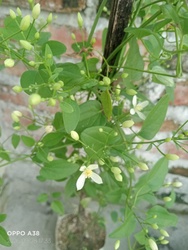
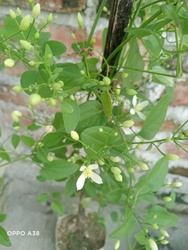
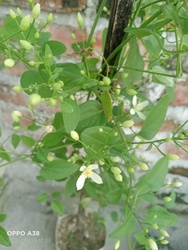
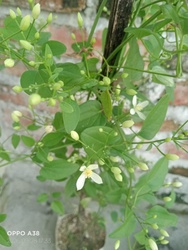
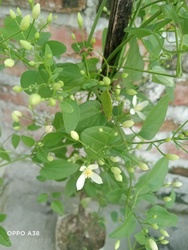
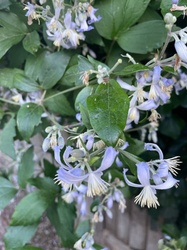
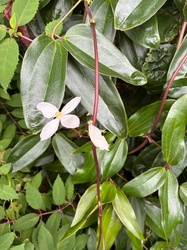
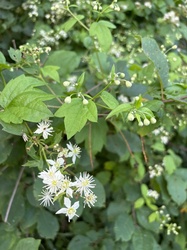
Clematis identified by the community
Recent Clematis specimens identified with Plant Identifier.