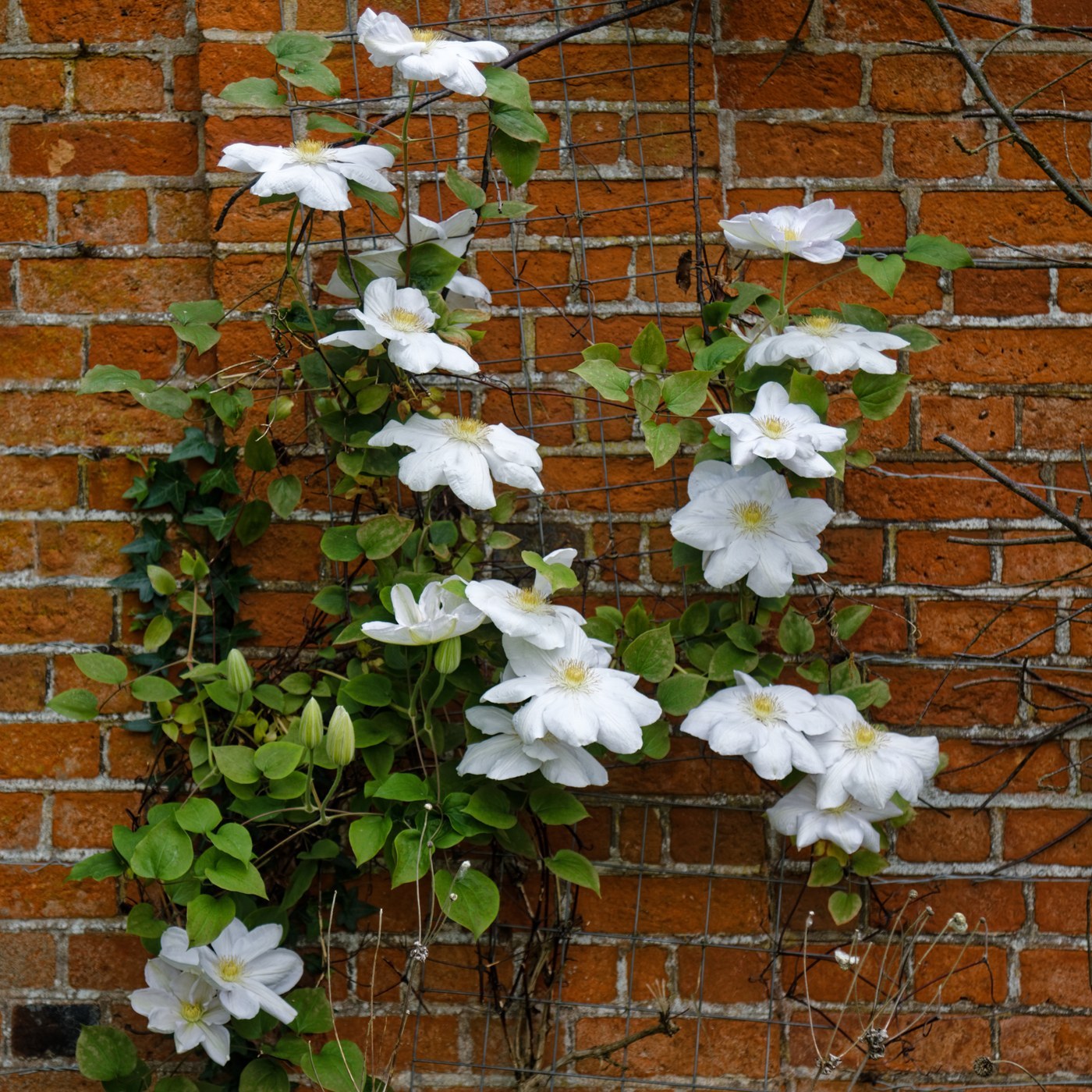
Clematis
Clematis
Clematis is a versatile climbing vine renowned for its large, showy flowers that cover trellises, fences, and arbors in a spectacular seasonal display.
- Light
- Full sun on top, shaded roots
- Water
- Keep evenly moist; deep weekly watering
- Difficulty
- Moderate
Got a plant like this?
Identify any plant from a photo, free.
Overview
Clematis is a large genus of mostly woody climbing vines, popular for its abundant and often very large flowers in nearly every color. Gardeners often summarize its needs as wanting its head in the sun and its roots in the shade.
With hundreds of species and cultivars, clematis spans early, mid, and late-season bloomers, allowing flowers across much of the growing year. Pruning groups depend on when the variety blooms.
How to identify it
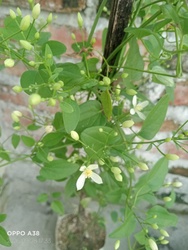
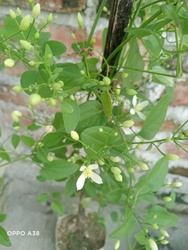
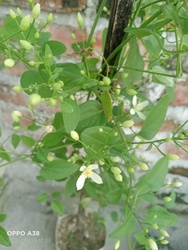
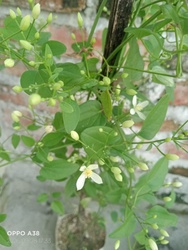
Recognizable as a clinging vine using twining leaf stalks rather than tendrils.
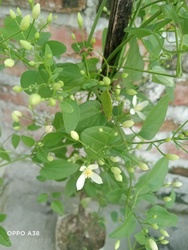
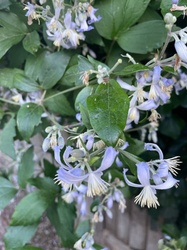
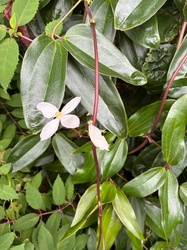
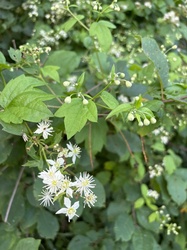
- Flowers: showy, often 8-20 cm wide, with petal-like sepals (no true petals); colors include purple, blue, pink, white, red
- Leaves: usually compound, opposite, climbing by curling leaf stems
- Seed heads: feathery, silvery plumes after flowering
- Habit: woody or herbaceous climber, 1-6 m
Care & growing
Site clematis where the top gets sun but the roots stay cool and shaded.
- Light: at least six hours of sun on the foliage; mulch or low plants to shade roots
- Water: keep evenly moist, especially the first seasons; never let it fully dry
- Soil: rich, well-drained, neutral to slightly alkaline
- Feeding: balanced fertilizer in spring
- Pruning: depends on bloom time (Group 1 light, Group 2 light, Group 3 hard prune)
Habitat & origin
The genus is widespread across the temperate Northern Hemisphere, with many species from China and Japan, plus Europe and North America.
Naturally it scrambles through hedgerows, woodland edges, and over shrubs. In gardens it is trained up trellises, arbors, fences, and through host shrubs and trees.
Frequently asked questions
When do I prune clematis?
It depends on the variety's pruning group: early bloomers need only light tidying, while late summer types are cut back hard in early spring.
Why won't my clematis flower?
Common causes are too much shade, immaturity, or pruning at the wrong time and removing the flowering wood.
How do I keep clematis roots cool?
Mulch heavily, place a stone or low plants over the root zone, and keep the soil consistently moist.
Clematis guides
In-depth guides for identifying, growing, and caring for Clematis.
How to Care for Clematis
The queen of climbers: give clematis sunny tops, cool shaded roots, and steady moisture for spectacular vines of bloom.
Clematis Identification Guide
Identify clematis by its climbing habit using twining leaf stalks, opposite compound leaves, and large showy flowers built from petal-like sepals.
Clematis identified by the community
Real specimens identified with Plant Identifier.