Clematis Identification Guide
Identify clematis by its climbing habit using twining leaf stalks, opposite compound leaves, and large showy flowers built from petal-like sepals.
Read the full Clematis encyclopedia entry →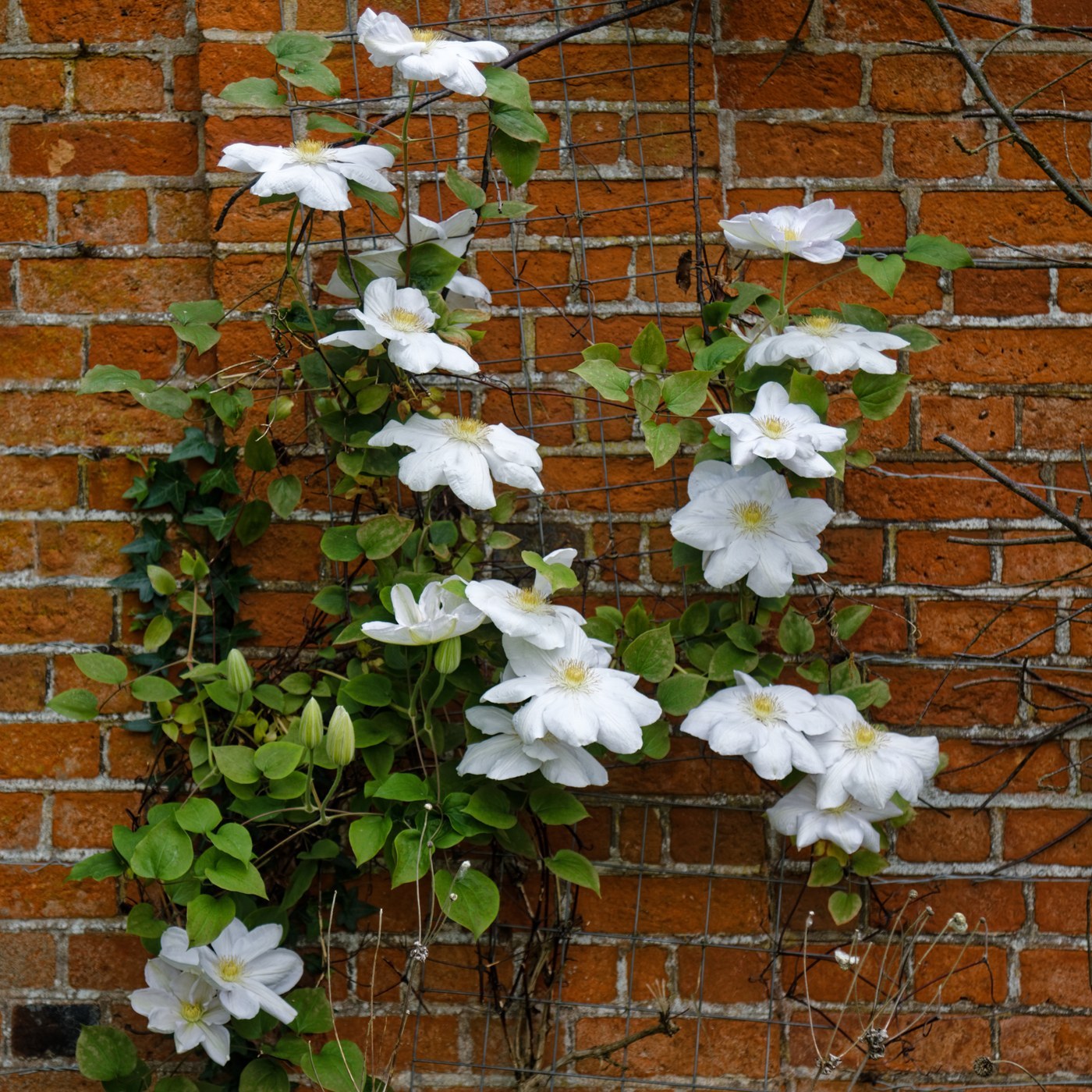
Key Identifying Features
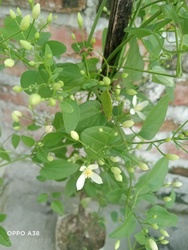
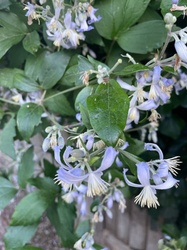
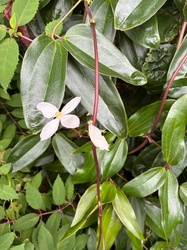
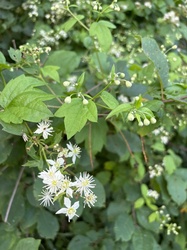
Clematis is a genus of mostly woody climbing vines in the buttercup family (Ranunculaceae). The best clues are its climbing habit achieved by twining leaf stalks (petioles) rather than tendrils, its opposite leaves, and large showy flowers whose "petals" are actually colorful sepals surrounding a boss of stamens. After flowering, many form fluffy, feathery seed heads.
- Climbs by wrapping its leaf stalks around supports (no tendrils or suckers)
- Opposite leaves, often divided into leaflets
- Flat or bell-shaped flowers with 4-8 petal-like sepals (true petals absent)
- Silky, whirling, plume-like seed heads after bloom
Leaves & Stems
Leaves are arranged in opposite pairs along slender, sometimes ribbed stems. They are commonly compound, divided into three or more leaflets, though some species have simple leaves. The leaflets are usually oval with smooth or slightly toothed edges. The vine does not have tendrils or adhesive pads; instead, the leaf stalks curl and clasp around wires, trellises, and neighboring plants. Stems are thin and can become woody at the base in large-flowered types.
Flowers & Fruit
Clematis flowers are striking and varied. Large-flowered hybrids produce flat, open blooms 4-8 inches across with 4-8 broad petal-like sepals in purple, blue, pink, white, red, or bicolor, centered on a cluster of stamens. Species clematis may have small, nodding bell- or urn-shaped flowers, and some (like sweet autumn clematis) bear masses of tiny fragrant white stars. A diagnostic follow-up feature is the seed head: a rounded cluster of seeds each with a long, silvery, feathery plume, giving rise to names like "old man's beard."
How to Tell It Apart from Look-Alikes
- Passionflower (Passiflora): climbs with coiling tendrils and has an elaborate fringed corona; clematis has neither.
- Morning glory: twines its whole stem and has trumpet flowers and alternate heart-shaped leaves, not opposite compound leaves.
- Honeysuckle: twining stems and tubular flowers; lacks the petal-like sepals and feathery seed heads.
- Anemone: related and similar flowers, but it is non-climbing.
The combination of petiole-climbing, opposite leaves, sepal flowers, and feathery seed heads confirms clematis.
Where You'll Find It
Clematis species are found across the Northern Hemisphere, and hybrids are grown worldwide on trellises, arbors, fences, and walls in gardens. They like their roots cool and shaded while the tops climb into sun. Wild types scramble through hedgerows, woodland edges, and along fences.
Quick ID Checklist
- Climbs by twining leaf stalks, not tendrils or suckers
- Opposite leaves, often divided into leaflets
- Showy flowers with 4-8 petal-like sepals and a central tuft of stamens
- Fluffy, feathery, silvery seed heads after bloom
- Woody base in large-flowered hybrids
Frequently asked questions
How does clematis climb?
It wraps its leaf stalks (petioles) around thin supports like wires and twigs rather than using tendrils or sticky pads, so it climbs best on lattice or netting.
Are the colorful parts of a clematis flower petals?
No, clematis flowers lack true petals; the showy colored parts are actually sepals, which is typical of the buttercup family.
What are the fluffy balls clematis forms after flowering?
Those are seed heads, each seed tipped with a long silky plume, giving the whole cluster a feathery, whirling look sometimes called 'old man's beard.'
How can I tell clematis from morning glory?
Clematis has opposite, often compound leaves and climbs by its leaf stalks, while morning glory has alternate heart-shaped leaves, twines with its whole stem, and bears trumpet-shaped flowers.
Clematis identified by the community
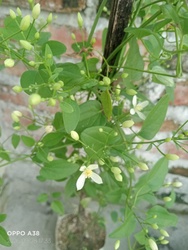
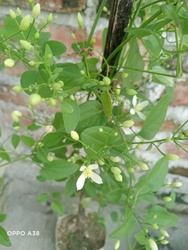
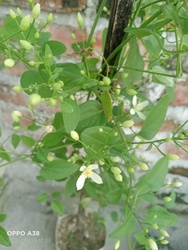
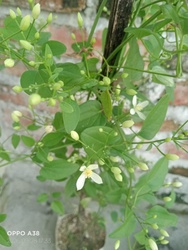
Recent Clematis specimens identified with Plant Identifier.