
How to Care for Cloudberry
Grow cloudberry (Rubus chamaemorus), a low creeping bog plant that demands acidic peat, cold winters, and constantly wet feet.
Read the full Cloudberry encyclopedia entry →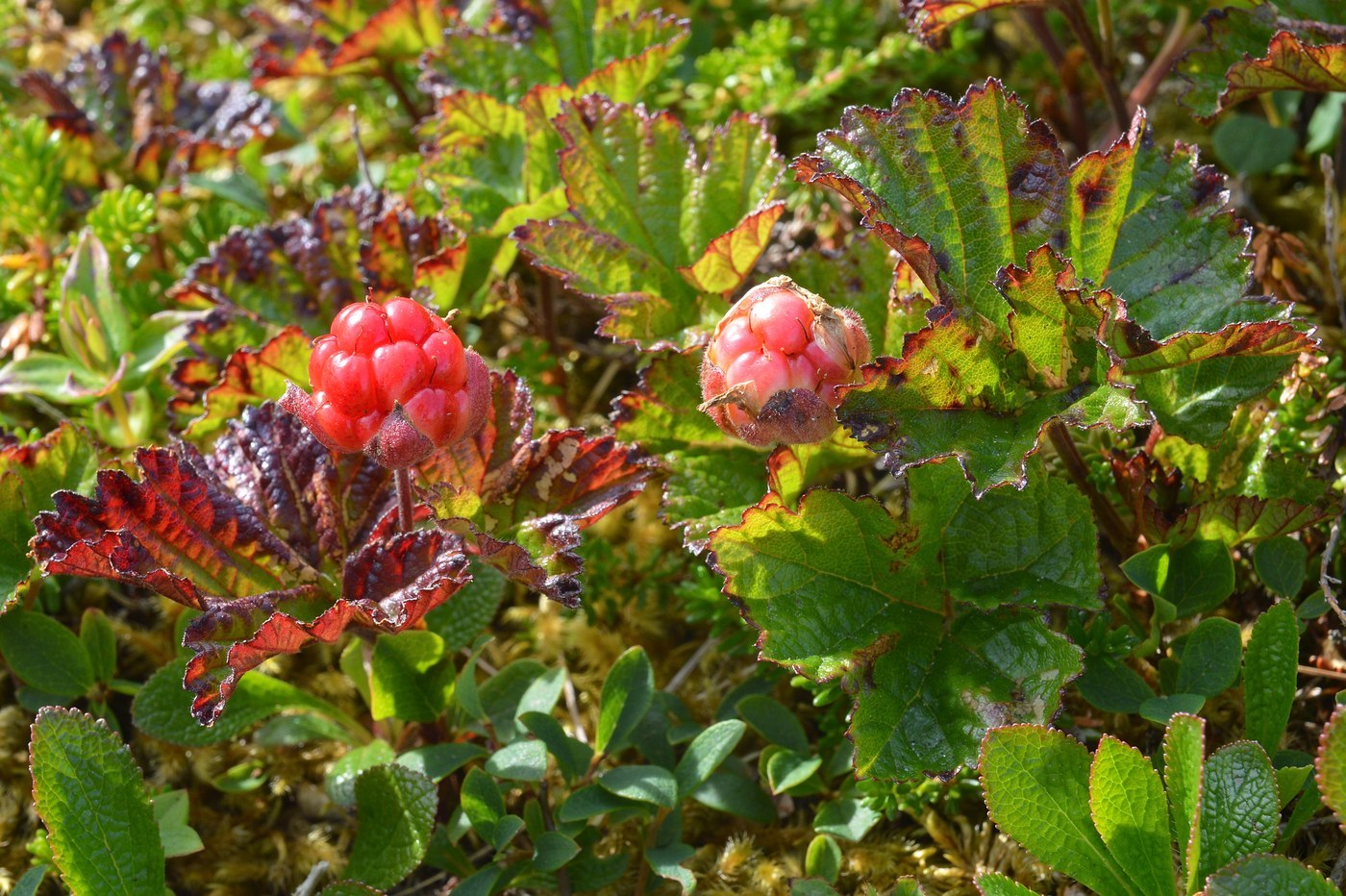
Cloudberry (Rubus chamaemorus) is a low, spreading rhizomatous perennial of northern peat bogs and tundra, prized as an ornamental groundcover for cool, wet gardens. It is genuinely challenging in cultivation because it refuses to compromise on its boggy, acidic, cold-climate origins.
Light
Give cloudberry full sun in cool northern climates, where long summer days drive its low, mat-forming growth. In warmer regions the plant scorches and sulks, so dappled afternoon shade helps buffer heat. It will not thrive where summers are hot regardless of how much light it receives.
Water
Keep the soil constantly moist to saturated at all times. Cloudberry is a true bog plant and its shallow rhizomes must never dry out, even briefly. Use rainwater or other low-mineral water, since hard tap water raises pH and stresses the plant. Growing it beside a pond margin or in a permanently wet raised bog bed works well.
Soil & Potting
Use a strongly acidic, peaty, low-fertility medium in the pH 4.0 to 5.5 range. A mix of Sphagnum peat, leaf mold, and coarse sand mimics the nutrient-poor tundra it comes from. Avoid loamy or limey garden soil entirely. Containers should stand in a saucer of water or a bog liner to keep the medium waterlogged.
Humidity & Temperature
Cloudberry needs cool, humid, oceanic or subarctic conditions and a genuine cold winter dormancy. It is extremely cold hardy and actually requires a long, hard chill to flower and set fruit the following season. Prolonged summer heat above the low 20s Celsius is its main enemy in cultivation.
Feeding
Feed sparingly or not at all. This is a plant of nutrient-poor peat, and rich fertilizer causes weak, floppy growth. If the medium is very old and depleted, a very dilute ericaceous (acid-loving plant) feed once in early summer is more than enough.
Propagation
Propagate mainly by dividing the creeping rhizomes in early spring or autumn, lifting a rooted section and replanting it into wet peat. Seed is possible but slow and needs cold stratification to break dormancy. Because the species is dioecious, plant both male and female clones nearby if you want fruit set for ornamental interest.
Repotting / Pruning
Cloudberry needs little pruning; simply remove dead stems in early spring. Refresh or top up the peat medium every couple of years to maintain acidity and moisture retention. When dividing crowded mats, replant promptly so the rhizomes never dry.
Common Problems & Pests
The commonest failures are drought, heat, and alkaline water, all of which cause dieback and yellowing. In cultivation it has few insect pests, though aphids may visit soft new growth. Fungal leaf spotting can appear in stagnant, poorly ventilated bog setups, so allow gentle air movement.
Seasonal Care Tips
In spring, top up peat and divide congested mats. Through summer keep the medium saturated and shaded from heat. In autumn let the foliage die back naturally. In winter leave the plant fully exposed to cold, as the deep chill is essential for the next season's flowering.
Frequently asked questions
Why is cloudberry so hard to grow?
It demands a narrow set of conditions all at once: strongly acidic peat, permanently wet soil, cool summers, and a hard cold winter. Miss any one and the plant declines, which is why it rarely thrives outside cool northern gardens.
Can I grow cloudberry in a container?
Yes, if you use an acidic peat mix and stand the pot in a water-filled saucer or bog liner so the medium stays saturated. Use rainwater, keep it cool, and give it full winter cold.
Why won't my cloudberry flower?
It needs a long, genuine winter chill to initiate flowering, and it is dioecious, so you need both male and female plants nearby. Warm winters or a single clone will keep it foliage-only.
What water should I use?
Low-mineral water such as rainwater. Hard tap water raises the pH and stresses this acid-loving bog plant over time.