
How to Care for Coast Redwood
Grow the towering Coast Redwood with steady moisture, humid air, and deep acidic soil in a cool, sheltered site.
Read the full Coast Redwood encyclopedia entry →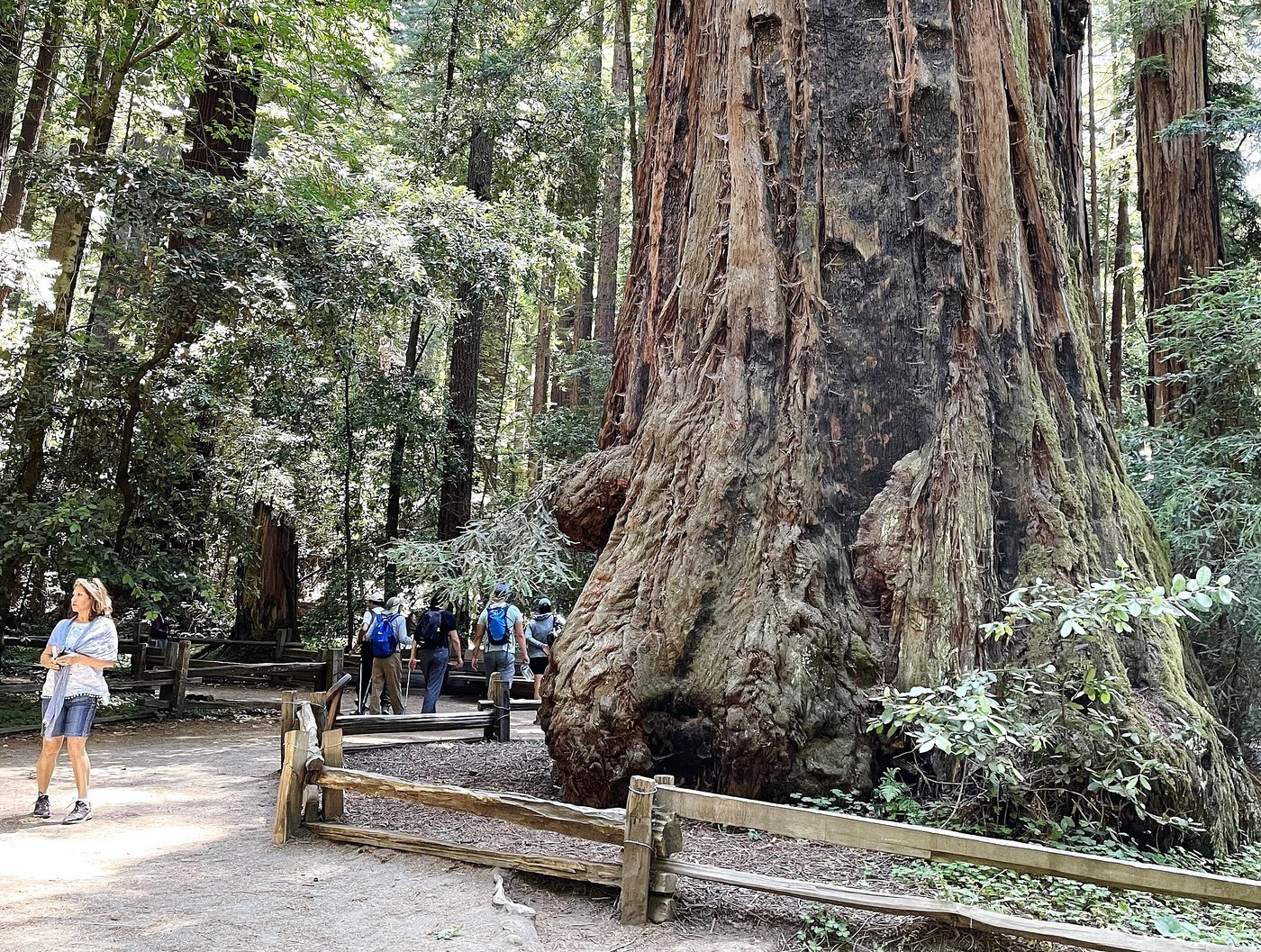
The Coast Redwood (Sequoia sempervirens) is one of the tallest trees on Earth, an evergreen conifer that thrives in cool, foggy climates with consistent moisture. It is a moderate-care landscape tree that rewards a well-chosen site with rapid, majestic growth.
Light
Give Coast Redwood full sun to part shade. Young trees appreciate a little afternoon shade in hot regions, while established specimens want plenty of overhead light to develop a strong, straight leader. In deep shade growth becomes thin and lanky.
Water
This tree is thirsty and wants high, consistent moisture. In the wild it draws heavily on coastal fog and never fully dries out. Water deeply and regularly, especially in the first several years and during any dry spell, keeping the root zone evenly moist but never waterlogged. A thick organic mulch ring conserves soil moisture and keeps roots cool.
Soil & Potting
Plant in deep, fertile, well-drained soil that stays moist. Redwoods prefer slightly acidic conditions and appreciate soil rich in organic matter. Avoid shallow, compacted, or chronically dry sites. If container-growing a young tree, use a large, deep pot with a loamy, moisture-retentive mix and repot as it grows.
Humidity & Temperature
Coast Redwood is happiest in cool, humid, maritime climates with mild summers and moderate winters. It tolerates light frost once established but struggles in hot, arid, or extremely windy conditions. High atmospheric humidity mimics its native fog belt and greatly improves health.
Feeding
Redwoods are not heavy feeders. A single application of a balanced, slow-release tree fertilizer in early spring supports steady growth. Refreshing the organic mulch layer each year supplies gentle, ongoing nutrition. Avoid over-fertilizing, which can push weak, sappy growth.
Propagation
Propagate from fresh seed, from semi-hardwood cuttings taken in late summer, or from the basal sprouts (burl shoots) that redwoods readily produce. Cuttings root best with high humidity and bottom warmth. Seed germination can be erratic, so sow generously.
Repotting / Pruning
Container-grown young trees should be moved up a pot size as roots fill the space, ideally in late winter. In the landscape, prune only to remove dead, damaged, or crossing branches and to establish a single dominant leader when young. Redwoods have a naturally tidy pyramidal form and need little shaping.
Common Problems & Pests
Redwoods are relatively trouble-free but can suffer needle browning and dieback from drought stress or dry winds, canker on stressed trees, and occasional spider mites or scale in hot conditions. Most problems trace back to insufficient water or an unsuitably hot, dry site, so correct the growing conditions first.
Seasonal Care Tips
Plant in autumn or early spring while temperatures are cool. Water most attentively through the first summers and any drought. Refresh mulch each spring and apply the annual feed then. Protect very young trees from hard frost and drying winter winds until they are well established.
Frequently asked questions
How fast does a Coast Redwood grow?
In favorable cool, moist conditions it is one of the fastest-growing conifers, often adding several feet of height a year once established with ample water and sun.
Can I grow a Coast Redwood in a container?
Yes, while young. Use a large, deep pot with moisture-retentive acidic soil, keep it evenly moist, and plan to plant it out or continually pot up as it quickly outgrows containers.
Why are my redwood's needles turning brown?
Browning almost always signals drought stress or hot, dry wind. Increase deep watering, add a thick mulch ring to keep roots cool, and shelter the tree from drying exposure.
Does Coast Redwood need acidic soil?
It performs best in deep, fertile, slightly acidic soil rich in organic matter. Very alkaline or compacted soils lead to weak growth and stress.