Coast Redwood
Sequoia sempervirens
The coast redwood is the tallest tree species on Earth, a fast-growing evergreen conifer of the foggy Pacific coast with flat needles, fibrous red bark, and an ability to sprout from its base.
- Light
- Full sun to part shade
- Water
- High; consistent moisture and humidity
- Difficulty
- Moderate
Got a plant like this?
Identify any plant from a photo, free.
Overview
The coast redwood (Sequoia sempervirens) is the tallest tree species in the world, with the record holder, Hyperion, exceeding 115 m (380 ft). It grows in a narrow coastal strip of northern California and southern Oregon, where summer fog supplies vital moisture.
Unlike most conifers, redwoods can resprout vigorously from stumps, burls, and roots, allowing groves to regenerate after fire or logging.
Long-lived and fast-growing, these ancient forests are among the most awe-inspiring ecosystems on Earth and are widely protected.
How to identify it
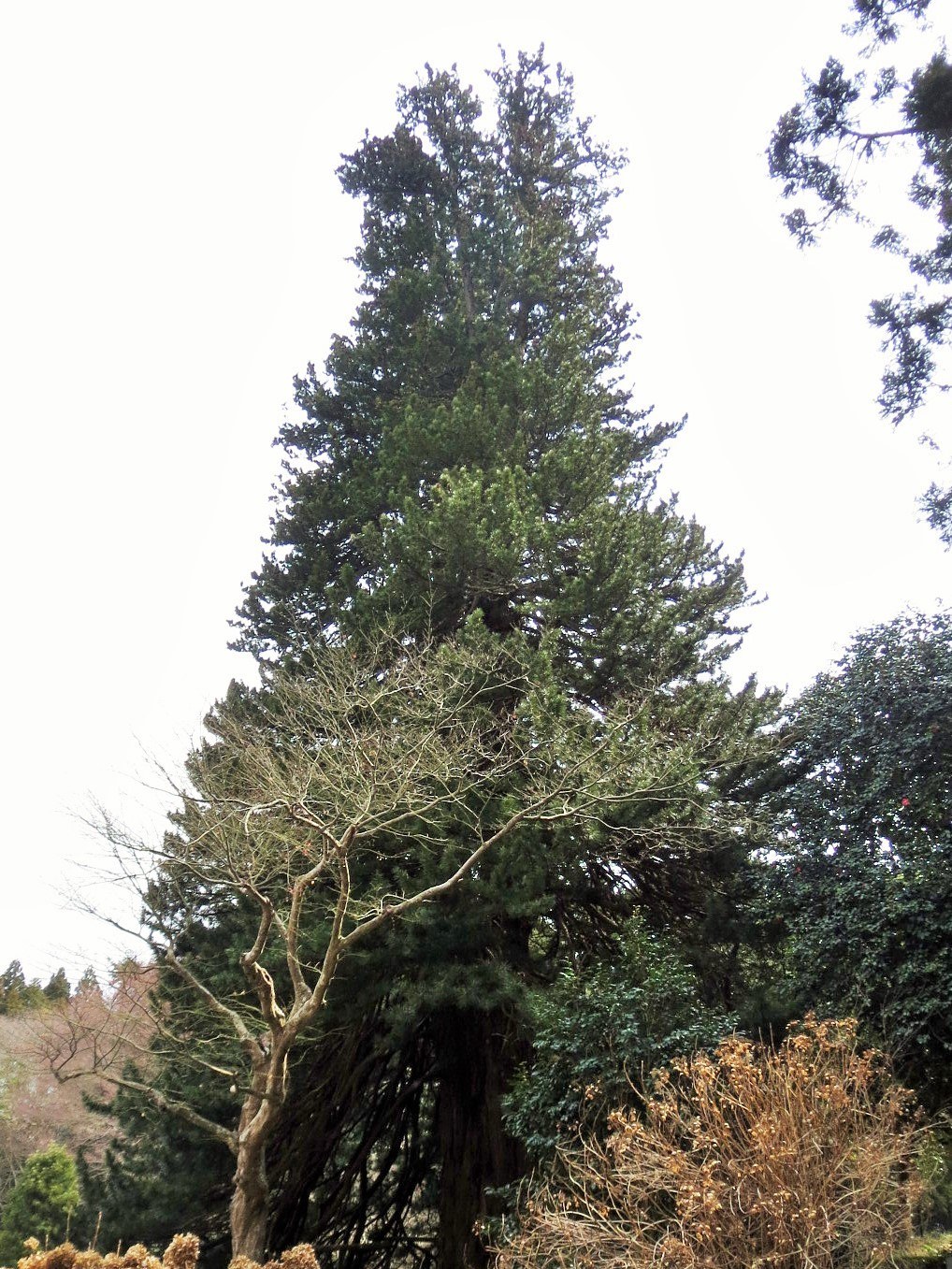
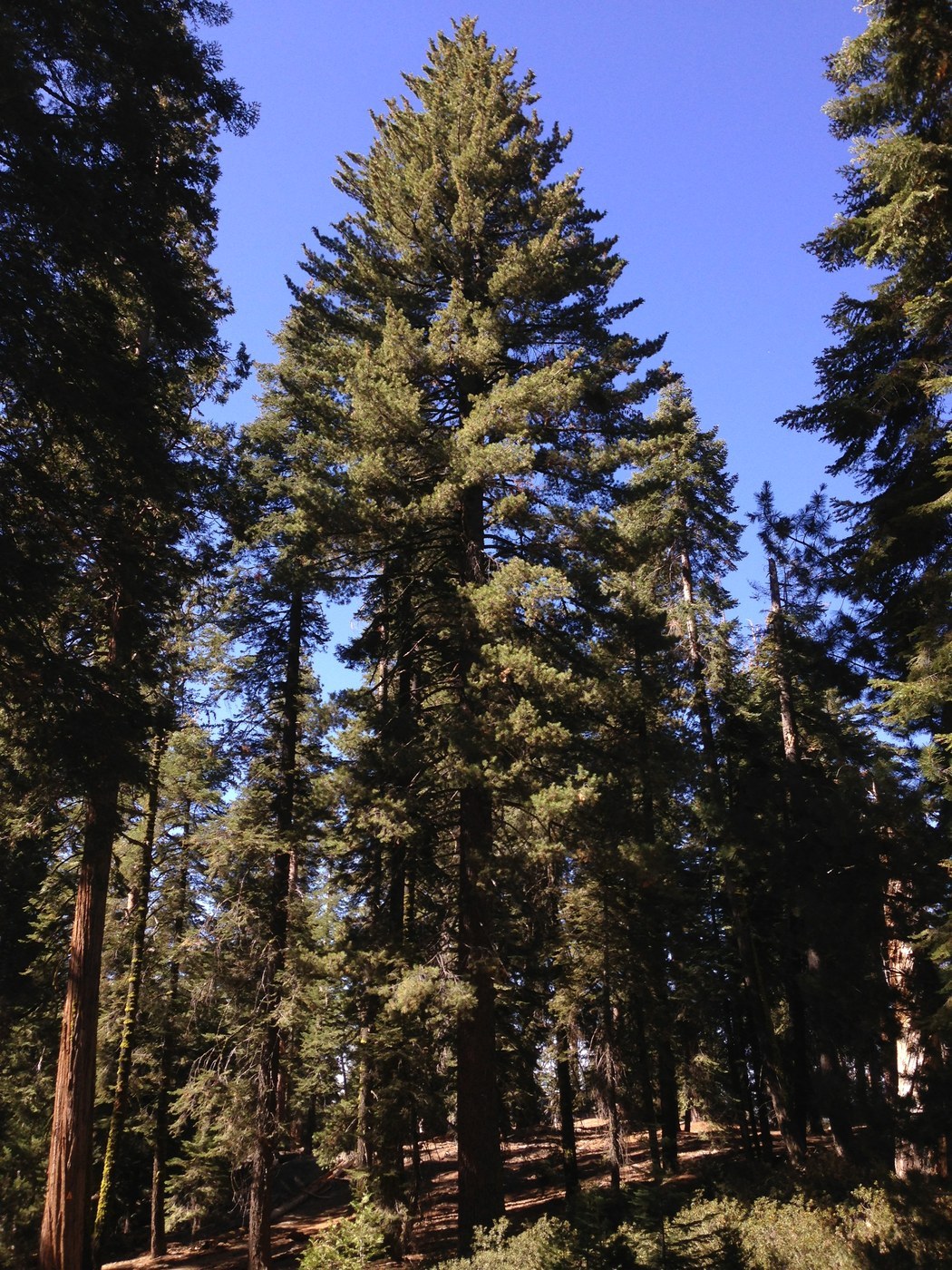
A towering evergreen conifer with a tall, straight trunk.
- Foliage: flat, needle-like leaves 1-2 cm long arranged in two opposite rows (feather-like) on lower branches; smaller and scale-like higher up
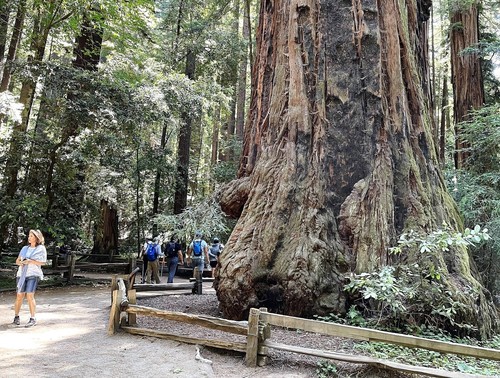
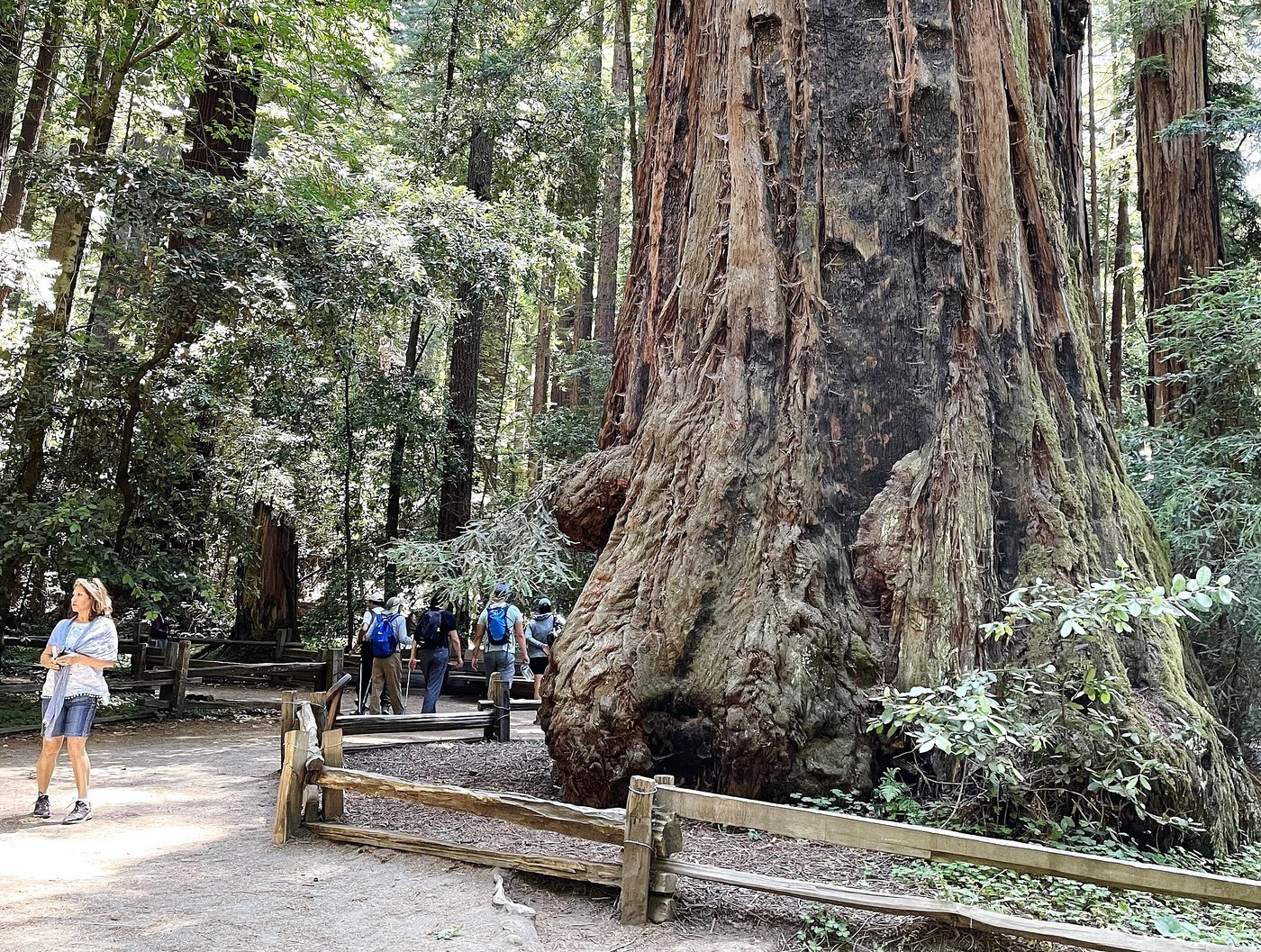
- Bark: thick, soft, fibrous, and reddish-brown, deeply furrowed and fire-resistant
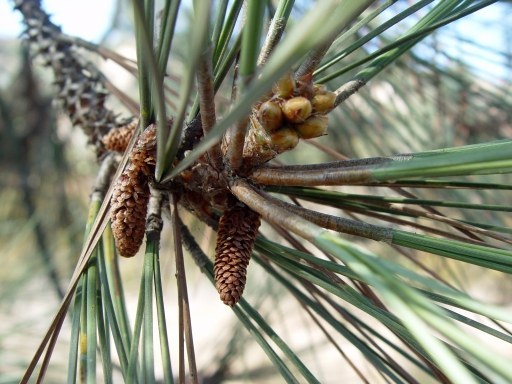
- Cones: small, woody, egg-shaped, only about 2-3 cm long — surprisingly tiny for so large a tree
- Habit: extremely tall and slender with a narrow, conical crown; often forms basal sprouts and fairy rings
- Size: typically 60-100+ m tall, the tallest of all trees
Care & growing
Best where summers are cool, moist, and humid.
- Light: full sun to partial shade
- Water: needs abundant, consistent moisture and high humidity; intolerant of prolonged drought
- Soil: deep, rich, well-drained soil; appreciates moist bottomlands
- Temperature: hardy in USDA zones 7-9; dislikes hot, dry interior climates
- Feeding: rarely needed in good soil
- Propagation: from seed, cuttings, or basal sprouts
- Space: needs ample room; roots are shallow but wide-spreading
Habitat & origin
Native to a narrow fog belt along the Pacific coast from southern Oregon to central California, generally within about 50 km of the ocean. The trees harvest moisture directly from summer coastal fog, which is essential to their survival.
Protected in parks such as Redwood National and State Parks and Muir Woods. It is also grown as an ornamental and plantation tree in mild, moist climates worldwide.
Frequently asked questions
How tall do coast redwoods get?
They are the tallest trees on Earth; the record tree, Hyperion, stands over 115 m (about 380 ft) tall.
How is the coast redwood different from the giant sequoia?
Coast redwoods are taller and more slender with flat needles and grow in the coastal fog belt, while giant sequoias are bulkier with scale-like foliage and grow in the Sierra Nevada.
Why do they need fog?
Summers in their range are dry, so redwoods absorb moisture directly from coastal fog through their foliage, which is critical to surviving the rainless season.
Can redwoods regrow after being cut?
Yes. Unusually for conifers, they sprout vigorously from stumps, burls, and roots, often forming rings of new trunks around an old stump.
Coast Redwood guides
In-depth guides for identifying, growing, and caring for Coast Redwood.