
How to Care for Colorado Blue Spruce
Grow the Colorado Blue Spruce (Picea pungens), a hardy evergreen conifer prized for its silvery-blue needles and classic pyramidal form.
Read the full Colorado Blue Spruce encyclopedia entry →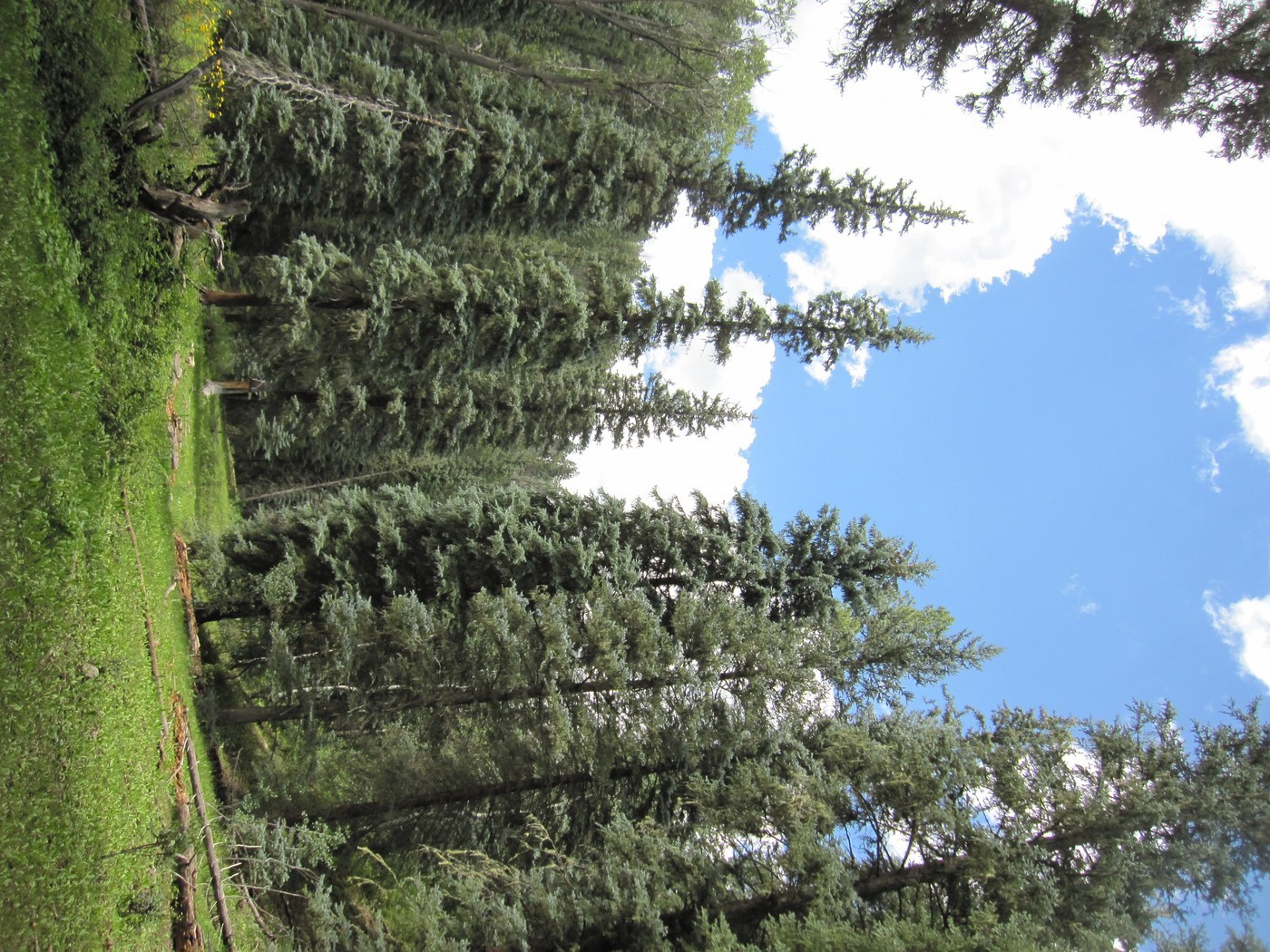
The Colorado Blue Spruce (Picea pungens) is a stately, cold-hardy evergreen conifer celebrated for its striking silvery-blue to steel-blue needles and dense, symmetrical pyramidal shape. A popular specimen and windbreak tree, it needs full sun and well-drained soil to display its best color and form, and grows steadily into a long-lived landscape centerpiece.
Light
Colorado Blue Spruce needs full sun for the richest blue coloration and densest growth. At least six to eight hours of direct sunlight keeps the needles vibrant and the crown full. In too much shade, the tree grows thin and open and loses much of its prized silvery-blue tone, so choose an unobstructed, sunny location.
Water
Provide moderate, even moisture in well-drained soil. Water young trees regularly during the first few growing seasons to establish a strong root system, keeping the root zone from drying out completely. Mature trees are fairly drought-tolerant but benefit from deep watering during extended dry spells. Avoid soggy, poorly drained sites, which invite root rot.
Soil & Potting
Grow it in deep, moist, well-drained soil with a slightly acidic to neutral pH, though it adapts to a wide range of soils. It prefers loamy, fertile ground but tolerates clay and sandy soils if drainage is adequate. Avoid consistently wet or compacted sites. Young nursery trees are best transplanted into their permanent position rather than kept long in containers.
Humidity & Temperature
This is an exceptionally cold-hardy tree suited to cool temperate and continental climates with cold winters. It thrives where summers are not excessively hot and humid; prolonged heat and high humidity stress the tree and increase disease pressure. Good air circulation helps keep the dense foliage healthy.
Feeding
Feeding needs are modest. A slow-release, acid-forming evergreen fertilizer applied in early spring supports young and establishing trees. Mature trees in reasonable soil rarely need feeding. A layer of organic mulch over the root zone conserves moisture and slowly feeds the soil. Avoid excessive nitrogen, which encourages weak, disease-prone growth.
Propagation
Colorado Blue Spruce is propagated mainly from seed, which benefits from a period of cold, moist stratification before sowing; seedlings show variable needle color. Named blue cultivars are propagated by grafting onto seedling rootstock to preserve their intense color and form, a technique usually done by nurseries. Cuttings are difficult and unreliable for the home grower.
Repotting / Pruning
Spruce generally requires little pruning; its natural pyramidal form is its main appeal. Remove any dead, damaged, or crossing branches, and lightly shape by trimming new growth in spring if desired. Do not cut back into old, bare wood, as spruce does not readily resprout from it. Container-grown young trees should be planted out before they become root-bound.
Common Problems & Pests
Colorado Blue Spruce is prone to several issues, especially in warm, humid, or stressful conditions. Needlecast fungal diseases cause needles to yellow, brown, and drop, often from the lower branches upward, while cytospora canker can kill branches and leave resin-bleeding wounds. Spider mites, spruce budworm, gall adelgids, and bagworms are common pests. Prevent trouble with full sun, good spacing and air circulation, proper watering, and prompt removal of affected branches.
Seasonal Care Tips
Plant in early spring or fall to help roots establish before weather extremes. Water deeply and mulch through the first summers. Inspect in spring and early summer for pests such as mites and adelgids, and watch for needle discoloration signaling fungal disease. Apply any feeding in early spring. In fall, ensure the tree goes into winter well watered; established trees are very cold-hardy and need little winter protection.
Frequently asked questions
Why is my Colorado Blue Spruce losing needles from the bottom up?
Needle loss starting on the lower branches is often a sign of needlecast fungal disease, common in warm, humid conditions with poor air circulation. Improve spacing and airflow, avoid overhead watering, and remove affected branches to help manage it.
How much sun does a Colorado Blue Spruce need?
It needs full sun, at least six to eight hours of direct light daily, for the richest blue color and densest form. In shade the tree becomes thin and open and loses much of its silvery-blue coloration.
How often should I water a Colorado Blue Spruce?
Water young trees regularly during their first few seasons to establish deep roots, keeping the soil evenly moist but never waterlogged. Established trees are fairly drought-tolerant and mainly need deep watering during extended dry spells.
Can I prune a Colorado Blue Spruce to control its size?
Only lightly. You can shape new spring growth and remove dead or damaged branches, but avoid cutting back into old, bare wood because spruce does not resprout well from it. It is best to give the tree room to reach its natural size.