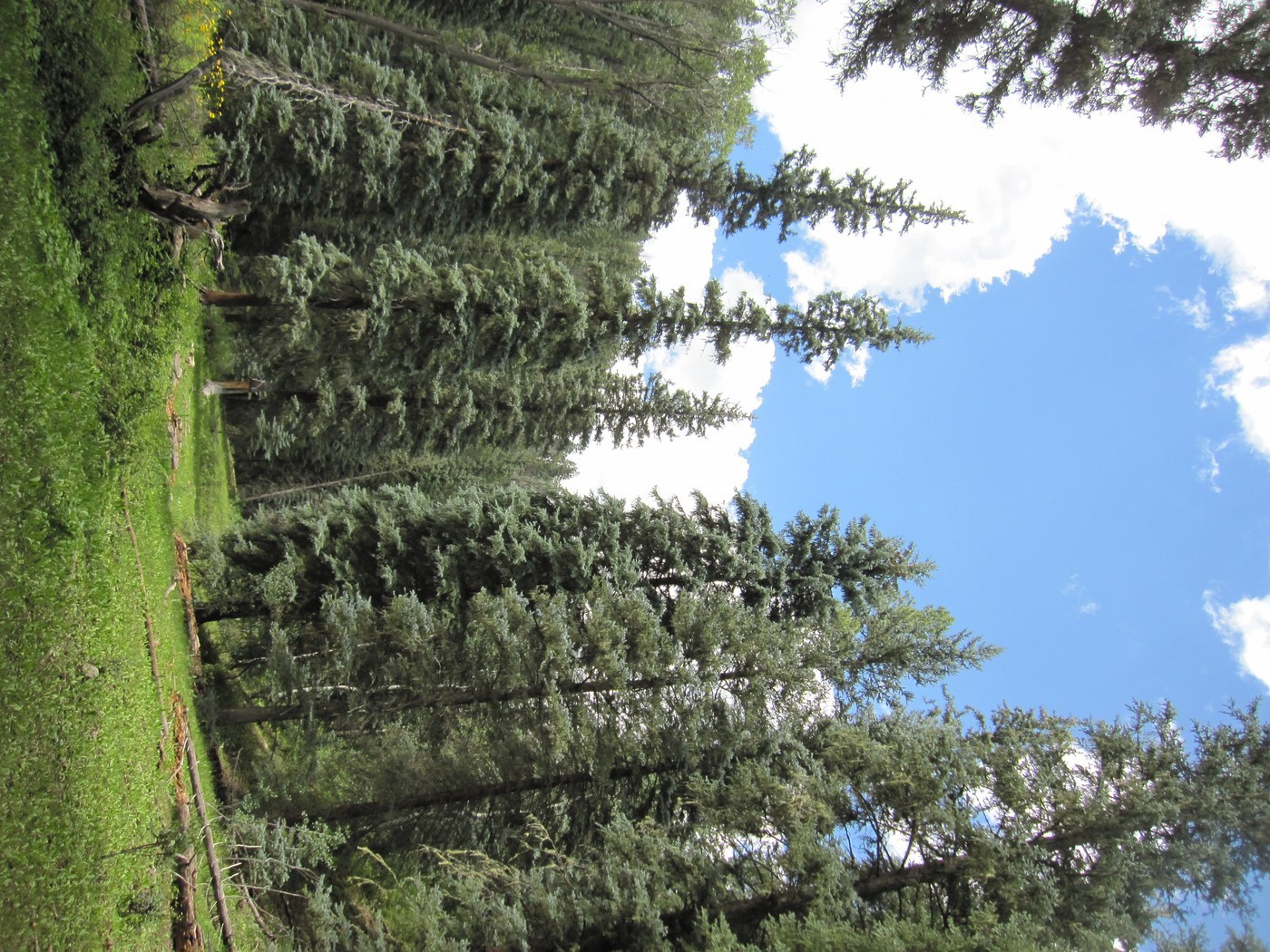
Colorado Blue Spruce
Picea pungens
A striking conifer prized for its stiff, sharp, silvery-blue needles and tidy pyramidal form. Native to the Rocky Mountains and a popular ornamental and Christmas tree.
- Light
- Full sun
- Water
- Moderate; well-drained soil
- Difficulty
- Moderate
Got a plant like this?
Identify any plant from a photo, free.
Overview
Colorado blue spruce is a medium-to-large evergreen conifer native to the Rocky Mountains, famous for the silvery-blue to powder-blue cast of its stiff, sharp needles, which gives it standout color in the landscape.
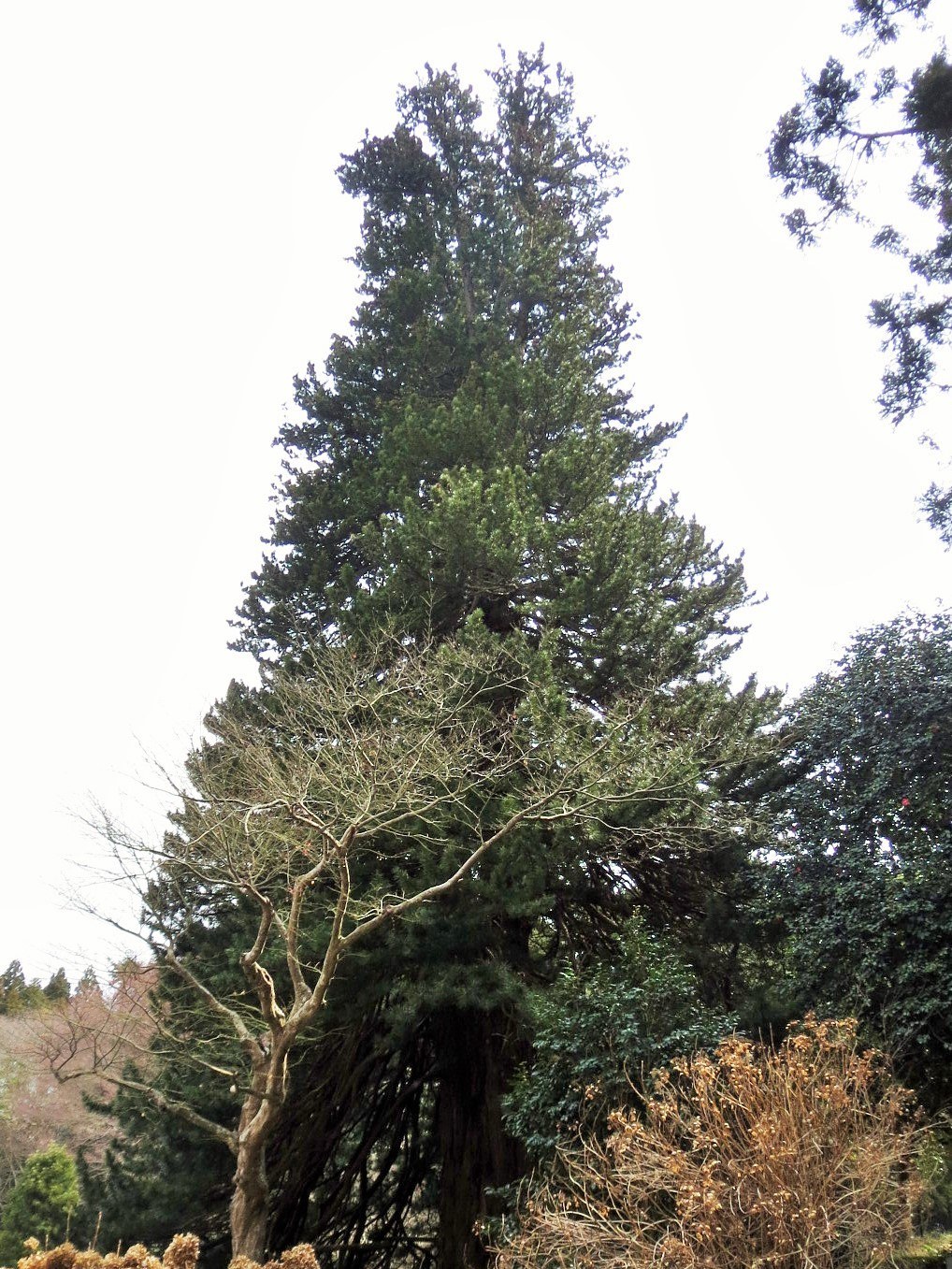
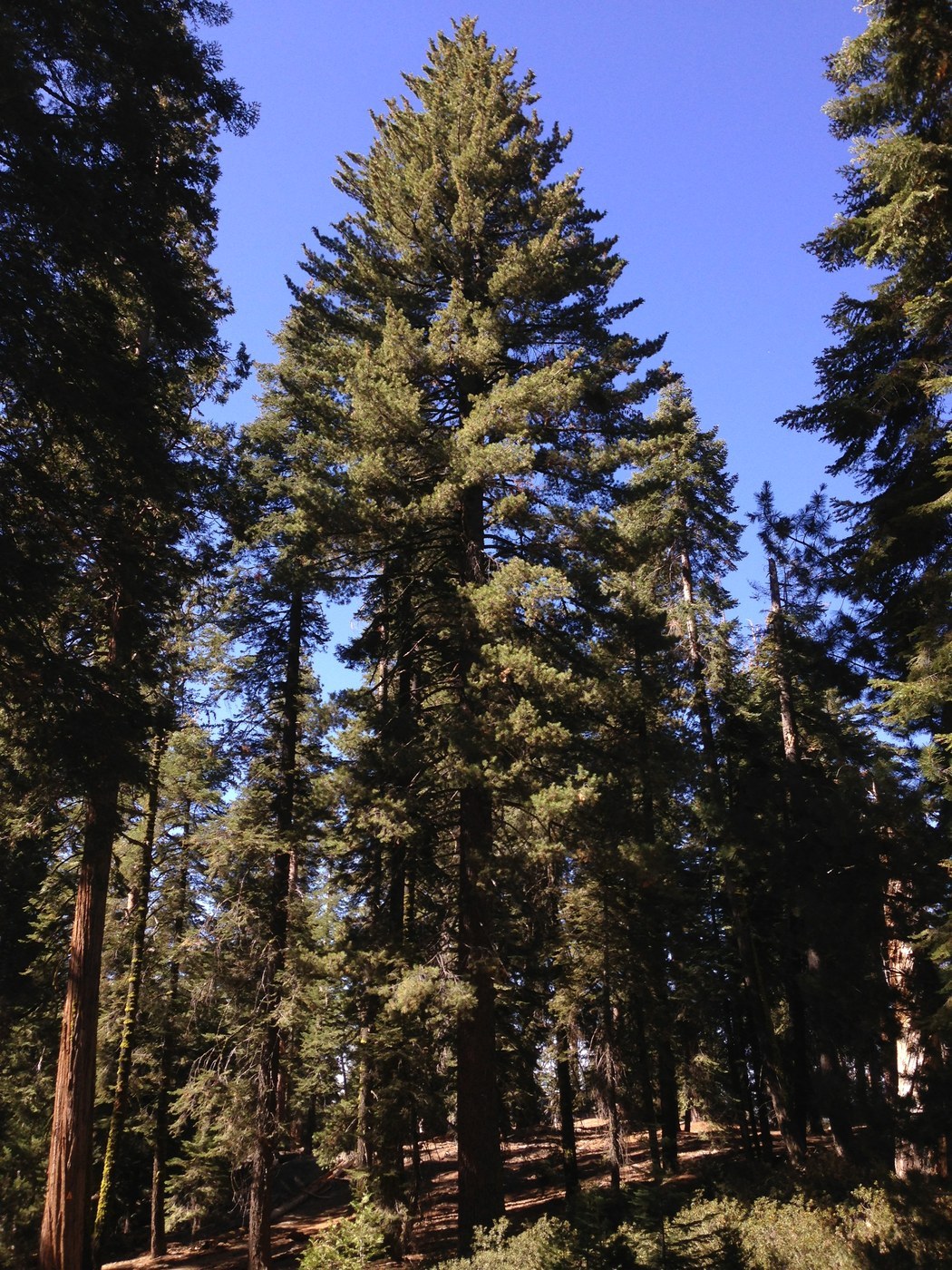
It grows in a dense, symmetrical, pyramidal form with stiff horizontal branches and is one of the most widely planted ornamental conifers in temperate regions.
The blue color comes from a waxy coating (bloom) on the needles; named cultivars such as 'Hoopsii' and 'Fat Albert' are selected for especially intense blue tones.
How to identify it
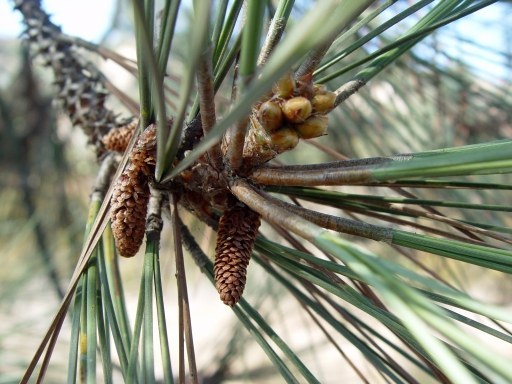
- Needles: stiff, sharply pointed, 0.75-1.25 in, arranged all around the twig (square in cross-section, roll between fingers); silvery-blue to blue-green with a waxy bloom
- Cones: light brown, papery, 2-4 in, hanging downward
- Habit: dense, symmetrical, narrowly pyramidal with stiff horizontal branch tiers
- Bark: gray-brown, furrowed into scaly ridges with age
- Size: 30-60 ft tall in cultivation (taller in the wild)
Care & growing
- Light: full sun for best color and density
- Water: moderate, even moisture; well-drained soil is essential, intolerant of soggy ground
- Soil: deep, rich, moist but well-drained soil; tolerates a range of pH
- Temperature: very cold hardy, USDA zones 2-7; dislikes hot, humid climates
- Feeding: rarely needed
- Propagation: species from seed (stratification helps); blue cultivars are grafted to preserve color
- Note: prone to needlecast and canker diseases and spider mites, especially in hot, humid or crowded conditions
Habitat & origin
Native to the central and southern Rocky Mountains of the western United States, in Colorado, Utah, Wyoming, New Mexico and Arizona.
In the wild it grows along mountain streams and in moist valleys at elevations roughly 6,000-10,000 feet, in cool climates with good moisture. It is the state tree of both Colorado and Utah and is planted as an ornamental and windbreak far beyond its native range, performing best in cool, sunny climates.
Frequently asked questions
Why is it blue?
A waxy, powdery coating (called bloom) on the needles reflects light to create the silvery-blue color. Cultivars are selected for the most intense blue, and the color can fade somewhat with age or handling.
Why are the lower branches of my blue spruce dying?
Browning and loss of lower branches is commonly caused by needlecast or canker diseases, especially in humid climates or crowded plantings. Improving air flow and avoiding overhead watering helps.
Does blue spruce grow well in hot climates?
Not really. It is adapted to cool Rocky Mountain conditions and tends to suffer from heat stress, mites and disease in hot, humid regions.
How big does a Colorado blue spruce get?
In cultivation it typically reaches 30-60 feet tall and 10-20 feet wide; dwarf cultivars like 'Globosa' stay much smaller.
Colorado Blue Spruce guides
In-depth guides for identifying, growing, and caring for Colorado Blue Spruce.
How to Care for Colorado Blue Spruce
Grow the Colorado Blue Spruce (Picea pungens), a hardy evergreen conifer prized for its silvery-blue needles and classic pyramidal form.
Colorado Blue Spruce Identification Guide
How to identify Colorado blue spruce (Picea pungens) by its stiff, sharp, silvery-blue needles and stiff papery cones.