
How to Care for Columbine
Grow Columbine (Aquilegia vulgaris), an easy cottage-garden perennial with nodding, spurred flowers loved by pollinators.
Read the full Columbine encyclopedia entry →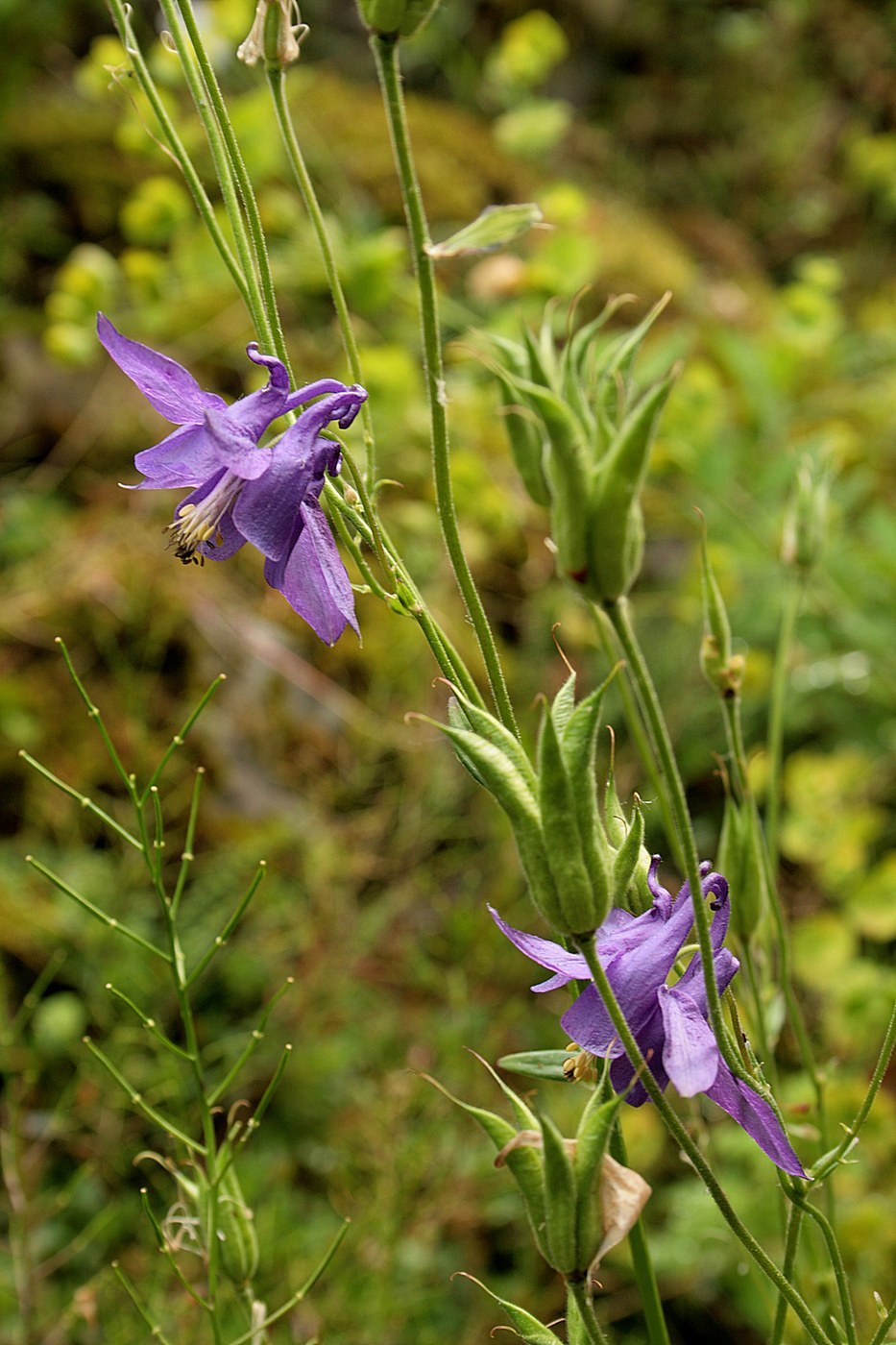
Columbine (Aquilegia vulgaris) is a graceful, easy-going perennial beloved for its intricate, nodding, spurred flowers held above delicate blue-green foliage. It thrives in sun to part shade, self-sows freely, and brings early-season color and hummingbirds to woodland and cottage gardens.
Light
Columbine grows well in full sun to part shade. In cool climates it takes full sun happily; in hotter regions it prefers dappled or afternoon shade, which keeps the foliage fresh and extends the bloom. It is an ideal plant for the bright edges of woodland gardens.
Water
Water moderately and keep the soil evenly moist, particularly during spring growth and bloom. Columbine dislikes both drought and waterlogging; consistent light moisture is best. Once flowering ends and summer heat sets in, plants naturally slow down and need less water. Mulch helps maintain even moisture around the shallow roots.
Soil & Potting
Provide rich, loose, well-drained soil amended with organic matter. Columbine adapts to a range of soils but flowers best in fertile ground that stays lightly moist yet never soggy. A neutral to slightly acidic pH suits it. In containers, use a quality potting mix with good drainage and expect a shorter lifespan than in the ground.
Humidity & Temperature
A cold-hardy perennial for USDA zones 3-8, Columbine prefers cool to moderate temperatures and often struggles in prolonged high heat and humidity, when foliage may decline. It needs no special humidity. In cool climates it is remarkably tough and returns dependably each spring.
Feeding
Feed lightly. A spring topdressing of compost or a single application of balanced slow-release fertilizer as growth begins is ample. Columbine is not a heavy feeder, and excess fertilizer promotes lush foliage at the expense of flowers. Refreshing organic mulch each year provides gentle ongoing nutrition.
Propagation
Columbine is easily raised from seed and self-sows generously, often producing surprising hybrid colors where varieties mingle. Sow fresh seed in late summer or fall; a period of cold improves germination. It resents root disturbance, so division is difficult and often unsuccessful; letting seedlings appear naturally is the simplest way to keep plants coming.
Repotting / Pruning
Because of its taproot, Columbine dislikes being moved, so site it permanently when possible and transplant only young plants in spring or fall. Deadhead to tidy the plant and reduce self-sowing, or leave some seed heads to naturalize. After bloom, if foliage becomes tattered or mildewed, cut it back to the base to encourage a flush of clean new leaves.
Common Problems & Pests
The most common nuisance is the columbine leaf miner, which leaves winding white trails in the leaves; cutting back and removing affected foliage manages it. Watch also for aphids, sawfly larvae that can quickly skeletonize leaves, and powdery mildew in humid conditions. Good airflow and cutting back tired foliage keep plants healthy. Individual plants are relatively short-lived but persist through self-seeding.
Seasonal Care Tips
Enjoy the flush of spring-to-early-summer bloom, then deadhead or let seed heads scatter. Cut back shabby foliage after flowering for fresh regrowth. Water steadily through the growing season and mulch to keep roots cool. Allow some self-sown seedlings to mature so the planting renews itself year after year.
Frequently asked questions
Why do my columbine leaves have white squiggly lines?
Those trails are from columbine leaf miners tunneling inside the leaves. They are mostly cosmetic; cut back and dispose of affected foliage, and the plant will push out clean new growth.
Does Columbine come back every year?
Yes, it is a hardy perennial, though individual plants are relatively short-lived. It self-sows freely, so new seedlings keep the planting going even as older plants fade.
Can I move an established Columbine?
It is difficult because of the taproot that resents disturbance. Transplant only young plants in spring or fall, or simply relocate self-sown seedlings, which move more easily.
Should I deadhead Columbine?
Deadheading tidies the plant and limits self-seeding. If you want it to naturalize, leave some seed heads to ripen and scatter for next year's seedlings.